
Optimizing Carbon Black Powder Quality for Enhanced Rubber Manufacturing Performance
We provide a wide range of mills — including Raymond mill, trapezoidal mill, vertical mill, ultrafine mill, and ball mill, obtained ISO9001 international quality certification, EU CE certification, and Customs Union CU-TR certification. Suitable for processing minerals such as limestone, phosphate, quicklime, kaolin, talc, barite, bentonite, calcium carbonate, dolomite, coal, gypsum, clay, carbon black, slag, cement raw materials, cement clinker, and more.
The discharge range of these mills can be adjusted to meet specific processing needs, typically from 80-400 mesh, 600-3250 mesh, and can achieve the finest particle size of up to 6000 mesh(D50).
If you are looking for a reliable grinding solution to turn stone or minerals into fine powder, please feel free to contact our online customer service.
Optimizing Carbon Black Powder Quality for Enhanced Rubber Manufacturing Performance
The quality of carbon black powder is a critical determinant in the performance and durability of rubber products. Achieving the optimal particle size distribution, surface area, and structure is paramount for enhancing tensile strength, abrasion resistance, and overall product longevity. Inconsistent or subpar carbon black quality can lead to significant variations in rubber compound properties, ultimately affecting manufacturing efficiency and end-product performance.
The Role of Precision Grinding in Carbon Black Processing
Carbon black’s reinforcing properties are directly influenced by its fineness and purity. Traditional grinding methods often fall short in delivering the consistent ultra-fine powders required for high-grade rubber applications. Agglomeration, broad particle size distribution, and contamination are common challenges that can compromise the material’s performance.
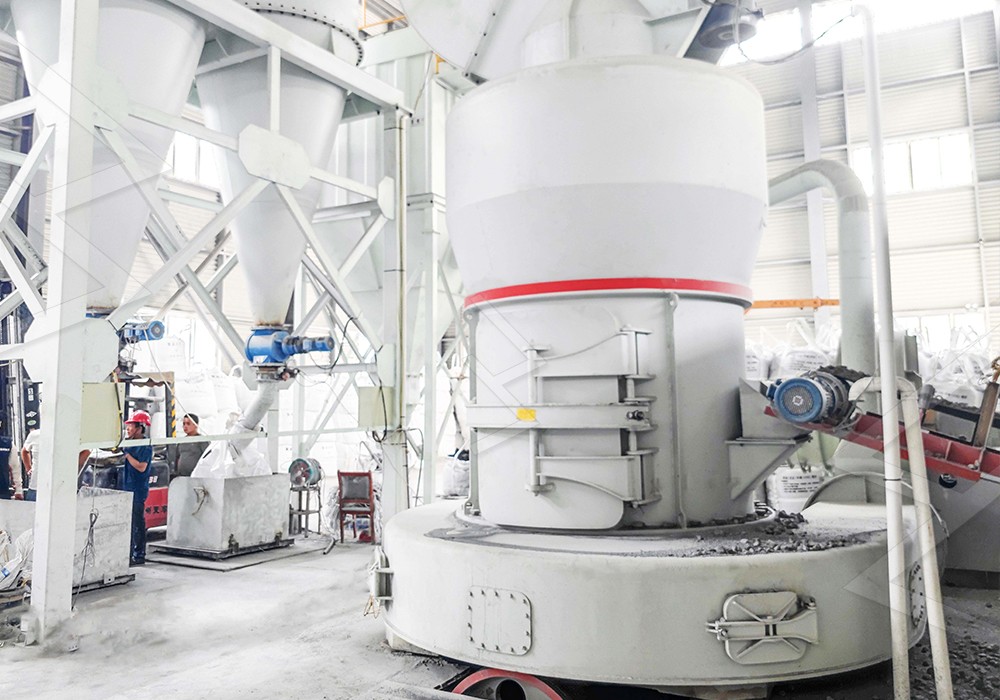
Modern grinding technology addresses these challenges through advanced milling systems designed specifically for ultra-fine powder production. The MW Ultrafine Grinding Mill represents a significant advancement in this field. With an input size capacity of 0-20 mm and throughput ranging from 0.5-25 tph, this system delivers precisely controlled fineness between 325-2500 meshes, achieving exceptional particle consistency with screening rates of d97≤5μm in a single pass.
Key Technological Advantages for Rubber Manufacturing
The MW Ultrafine Grinding Mill incorporates several innovative features that make it particularly suitable for carbon black processing:
- Superior Grinding Efficiency: Newly designed grinding curves enhance efficiency, delivering 40% higher capacity than jet mills and double the output of ball mills with equivalent power consumption
- Contamination-Free Operation: The absence of rolling bearings and screws in the grinding chamber eliminates risks of metallic contamination, crucial for maintaining carbon black purity
- Environmental Compliance: Integrated pulse dust collectors and mufflers ensure dust-free operation and noise reduction, meeting stringent environmental standards
- Continuous Operation Capability
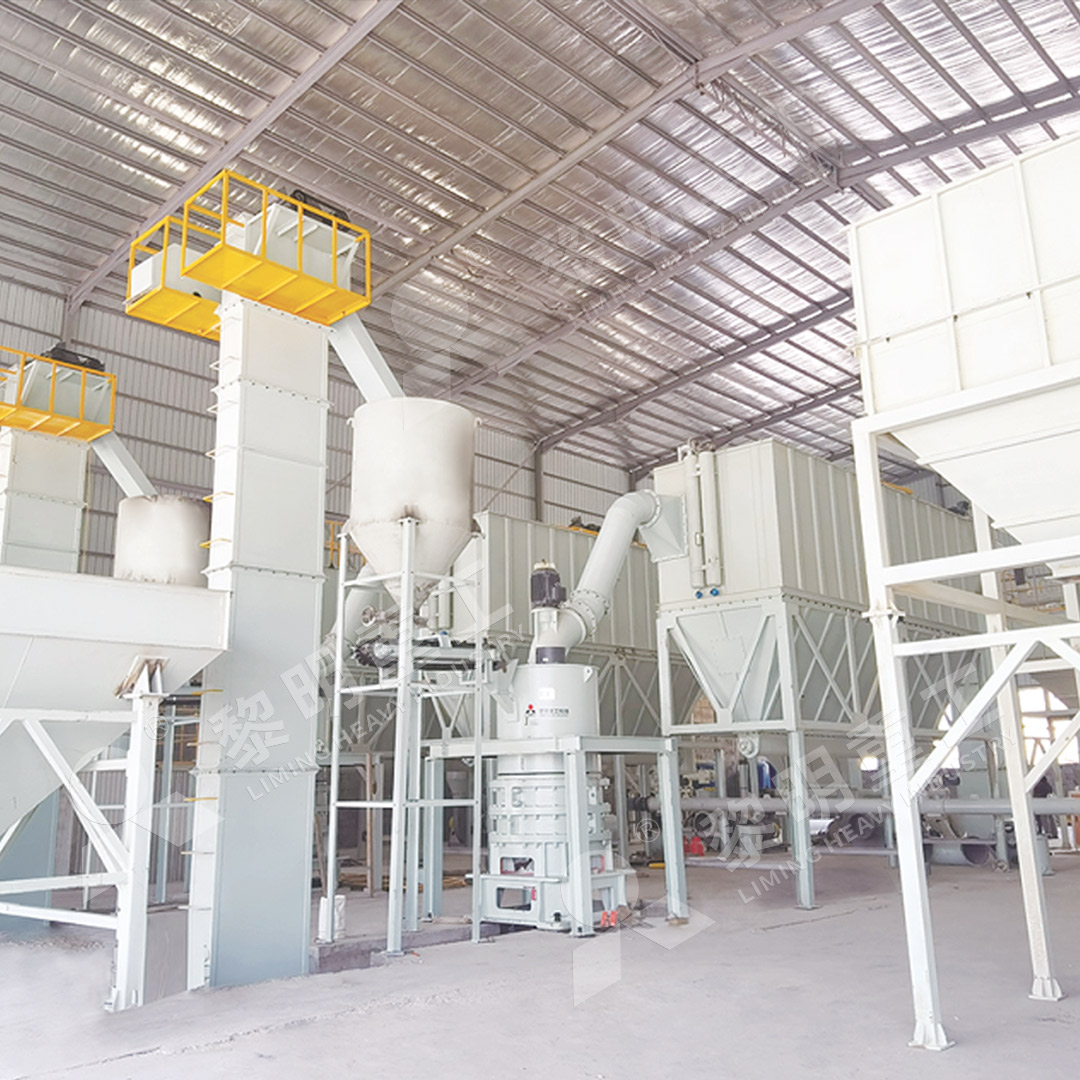
For operations requiring even higher precision and specialized handling, the LUM Ultrafine Vertical Grinding Mill offers additional advantages. Its unique roller shell and lining plate grinding curve design prevents material over-processing and reduces iron content, preserving the carbon black’s inherent properties. With capacity ranging from 5-18 tph and handling input sizes up to 10 mm, the LUM mill incorporates PLC-controlled multi-head powder separating technology for exceptional precision in particle size control.
Impact on Rubber Product Performance
The consistent quality achieved through advanced grinding technology translates directly to improved rubber manufacturing outcomes:
- Enhanced dispersion within rubber matrices for uniform reinforcement
- Improved tensile strength and tear resistance in final products
- Superior abrasion resistance for longer product lifespan
- Reduced compound variability and manufacturing waste
- Lower energy consumption during mixing and processing
Frequently Asked Questions
What particle size range is optimal for carbon black in rubber reinforcement?
The optimal particle size for most rubber reinforcement applications ranges between 20-70 nanometers. Our MW Ultrafine Grinding Mill can achieve consistent particle sizes within this range, with precise control over the distribution curve to match specific application requirements.
How does grinding technology affect carbon black structure?
Advanced grinding systems preserve the fundamental structure of carbon black while achieving desired fineness. The MW mill’s gentle grinding action maintains the critical aggregate structure that contributes to reinforcement properties, unlike aggressive milling that can damage these structures.
What maintenance requirements should be expected with these systems?
Both the MW and LUM mills are designed for minimal maintenance. The MW’s external lubrication system allows continuous operation, while the LUM’s reversible structure enables easy access to grinding components. Both systems come with comprehensive technical support and genuine spare parts availability.
Can these systems handle different grades of carbon black?
Yes, both grinding systems are capable of processing various carbon black grades. The adjustable fineness and separation controls allow operators to optimize processing parameters for different material characteristics and desired outcomes.
What environmental considerations are addressed by these systems?
The integrated pulse dust collectors ensure no dust pollution during operation, while noise reduction features maintain workplace safety standards. Both systems operate under negative pressure conditions, preventing any material leakage or environmental contamination.