
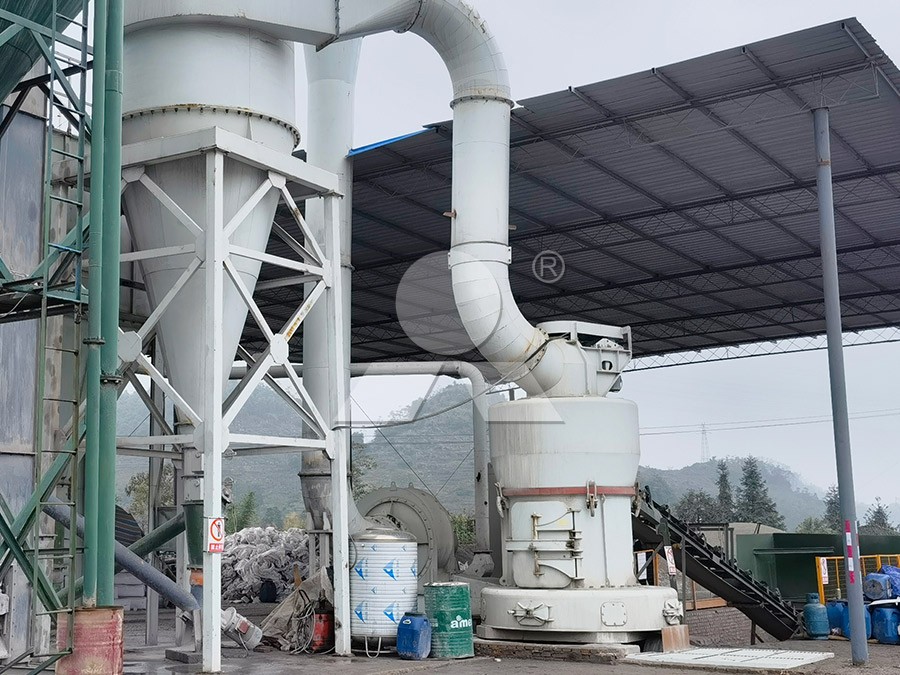
Picture of Multi Crop Micro Mill Machine for Small Scale Grain Processing
We provide a wide range of mills — including Raymond mill, trapezoidal mill, vertical mill, ultrafine mill, and ball mill, obtained ISO9001 international quality certification, EU CE certification, and Customs Union CU-TR certification. Suitable for processing minerals such as limestone, phosphate, quicklime, kaolin, talc, barite, bentonite, calcium carbonate, dolomite, coal, gypsum, clay, carbon black, slag, cement raw materials, cement clinker, and more.
The discharge range of these mills can be adjusted to meet specific processing needs, typically from 80-400 mesh, 600-3250 mesh, and can achieve the finest particle size of up to 6000 mesh(D50).
If you are looking for a reliable grinding solution to turn stone or minerals into fine powder, please feel free to contact our online customer service.
Empowering Small-Scale Agriculture: The Rise of Micro Milling
For small-scale farmers and local grain processors, the ability to efficiently transform raw grains into fine, marketable flour is a cornerstone of economic sustainability. The traditional methods of grinding are often labor-intensive, time-consuming, and yield inconsistent results. This is where modern micro mill machines come into the picture, offering a compact, efficient, and reliable solution tailored for smaller operations. These systems are engineered to handle a variety of crops—from wheat and maize to more specialized grains—delivering high-quality flour that meets both nutritional and commercial standards.
Key Considerations for Small-Scale Grain Processing
Selecting the right equipment is paramount. A superior micro mill isn’t just about power; it’s about intelligent design. Key factors include versatility in handling different grain types, ease of operation and maintenance, energy efficiency to keep operational costs low, and a compact footprint suitable for limited spaces. Furthermore, consistent particle size distribution is critical for product quality, and minimal dust and noise output are essential for maintaining a pleasant and safe working environment, especially in communities where the mill is integrated into daily life.
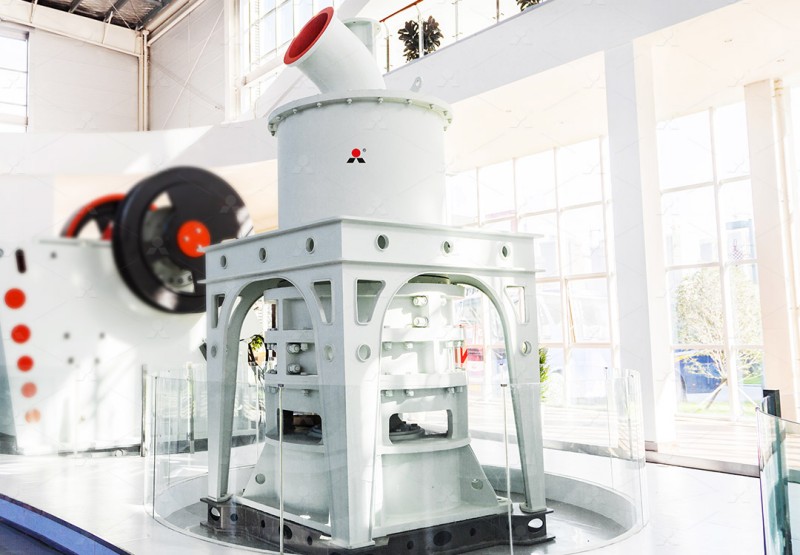
Introducing a Premier Solution: The MW Ultrafine Grinding Mill
For operations that demand ultra-fine powder from their grains, the MW Ultrafine Grinding Mill stands out as an exceptional choice. This machine is a testament to precision engineering, designed specifically for customers who require superior fineness without compromising on efficiency.
With an input size of 0-20 mm and a capacity range of 0.5-25 tons per hour, it is perfectly scaled for small to medium enterprises. Its defining feature is the ability to produce powder with a fineness adjustable between 325 and 2500 meshes, achieving a remarkable screening rate of d97≤5μm in a single pass. This is made possible by its advanced German-designed, cage-type powder selector. Beyond performance, it is built for practicality and sustainability. The grinding chamber contains no rolling bearings or screws, eliminating common failure points and concerns about loose components. It is also equipped with an efficient pulse dust collector and muffler, ensuring the grinding process is both dust-free and quiet, making it an environmentally friendly option that aligns with modern operational standards.
Another Robust Option: The MTW-Z European Trapezium Mill
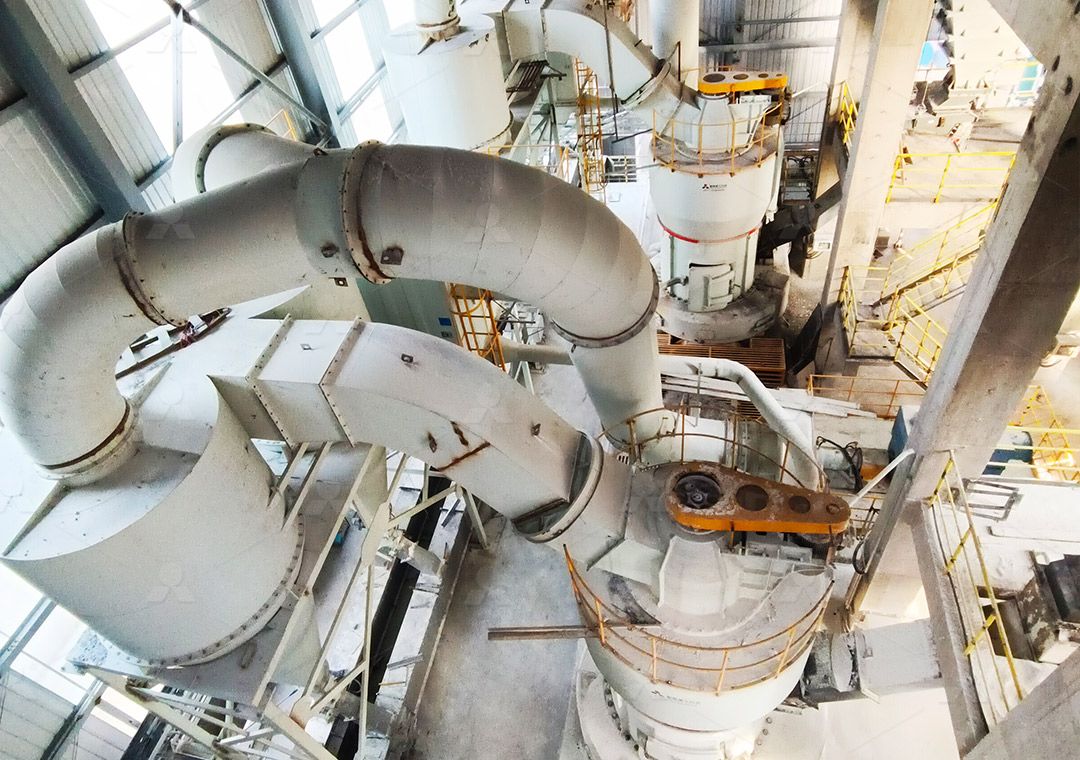
For processors needing a robust and efficient workhorse for standard milling tasks, the MTW-Z European Trapezium Mill is highly recommended. This mill is renowned for its higher grinding efficiency, thanks to a larger-diameter grinding roller and a design that omits the traditional shovel blade cylinder, allowing for better ventilation and lower air-conveying resistance. Its innovative diluted oil lubrication system for the grinding rollers is maintenance-free and far more convenient than traditional grease lubrication, significantly reducing long-term upkeep costs and downtime. It’s an ideal solution for consistently producing high-quality flour from a wide array of grains.
Conclusion: Investing in Your Processing Future
Integrating a advanced micro mill like the MW or MTW-Z model into a small-scale processing operation is a transformative step. It moves beyond mere grinding to a process of value addition, enabling producers to create consistent, high-quality products that can command better market prices. By choosing equipment that combines high yield, low energy consumption, and eco-friendly operation, businesses future-proof their operations, ensuring profitability and sustainability for years to come.
Frequently Asked Questions (FAQ)
What types of grain can a micro mill process?
Our micro mills, including the MW and MTW-Z models, are highly versatile and can process a wide range of dry grains including wheat, corn (maize), rice, barley, oats, rye, and even pulses like chickpeas and lentils.
How fine can the MW Ultrafine Grinding Mill grind my product?
The MW Mill is specifically designed for ultra-fine powder production. It can adjust the fineness of the output between 325 and 2500 meshes, capable of achieving a particle size as fine as 5 micrometers (d97≤5μm) in a single pass.
Are these mills suitable for a facility with limited space?
Absolutely. A key design principle for our small-scale mills is a compact footprint. Both the MW and MTW-Z models are engineered to integrate into smaller operations without sacrificing performance, making them ideal for local workshops and small agricultural businesses.
What makes the maintenance of these mills easier?
Features like the MW Mill’s lack of rolling bearings and screws in the grinding chamber prevent common mechanical issues. The MTW-Z Mill’s dilute oil lubrication system is virtually maintenance-free compared to grease systems. Both are designed for easy access and minimal downtime.
How do these mills address dust and noise pollution?
Both models are equipped with advanced environmental controls. The MW Mill features an efficient pulse dust collector and a muffler, ensuring a clean and quiet operation that meets national environmental protection standards, making it suitable for community-centered locations.