
Limestone Mill for Power Plant Desulfurization: Grinding Fluoride Ore for Efficient Flue Gas Treatment
We provide a wide range of mills — including Raymond mill, trapezoidal mill, vertical mill, ultrafine mill, and ball mill, obtained ISO9001 international quality certification, EU CE certification, and Customs Union CU-TR certification. Suitable for processing minerals such as limestone, phosphate, quicklime, kaolin, talc, barite, bentonite, calcium carbonate, dolomite, coal, gypsum, clay, carbon black, slag, cement raw materials, cement clinker, and more.
The discharge range of these mills can be adjusted to meet specific processing needs, typically from 80-400 mesh, 600-3250 mesh, and can achieve the finest particle size of up to 6000 mesh(D50).
If you are looking for a reliable grinding solution to turn stone or minerals into fine powder, please feel free to contact our online customer service.
Introduction to Flue Gas Desulfurization (FGD)
Flue Gas Desulfurization (FGD) is a critical process in power generation to reduce sulfur dioxide (SO₂) emissions, a major contributor to acid rain. The most common method involves wet scrubbing using a limestone-based slurry. The efficiency of this process heavily depends on the fineness and quality of the ground limestone powder. Precise grinding ensures maximum surface area for the chemical reaction, leading to higher SO₂ removal rates and more efficient operation.
The Role of Advanced Grinding Technology
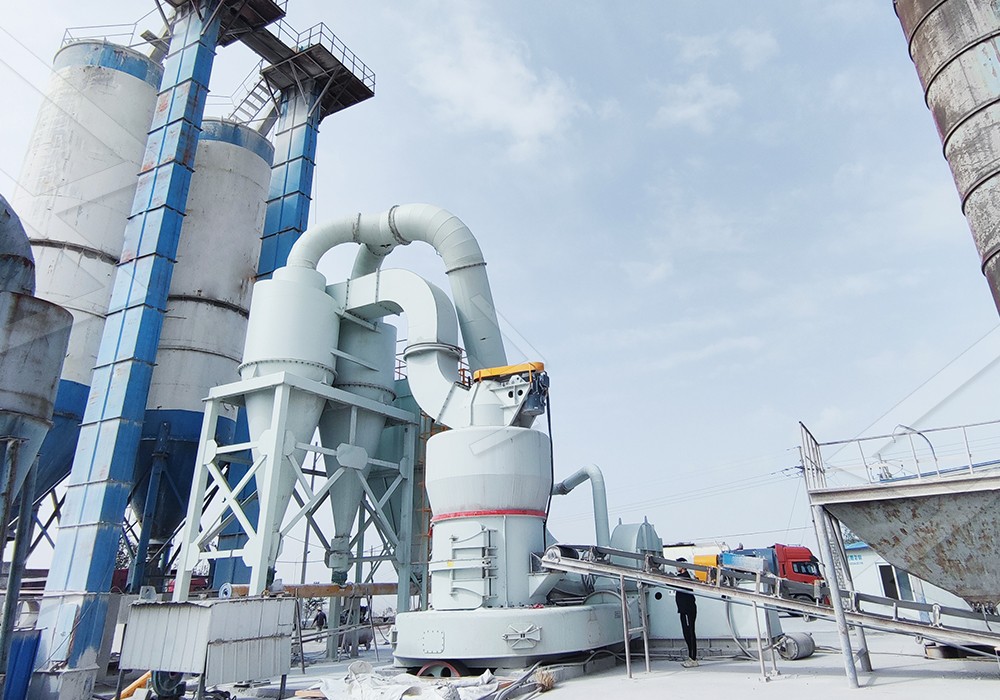
Traditional grinding solutions often fall short in delivering the consistent ultra-fine powder required for optimal scrubbing efficiency. This is where modern, specialized grinding mills make a significant difference. They are engineered to handle the specific properties of limestone and other sorbents, transforming them into high-purity, finely ground powders ideal for absorption.
Key Challenges in FGD Grinding:
- Achieving consistent fineness (typically 325-2500 mesh)
- Maintaining high output to meet large-scale power plant demands
- Ensuring low energy consumption for cost-effective operation
- Operating with minimal dust and noise for environmental compliance
Recommended Solution: MW Ultrafine Grinding Mill
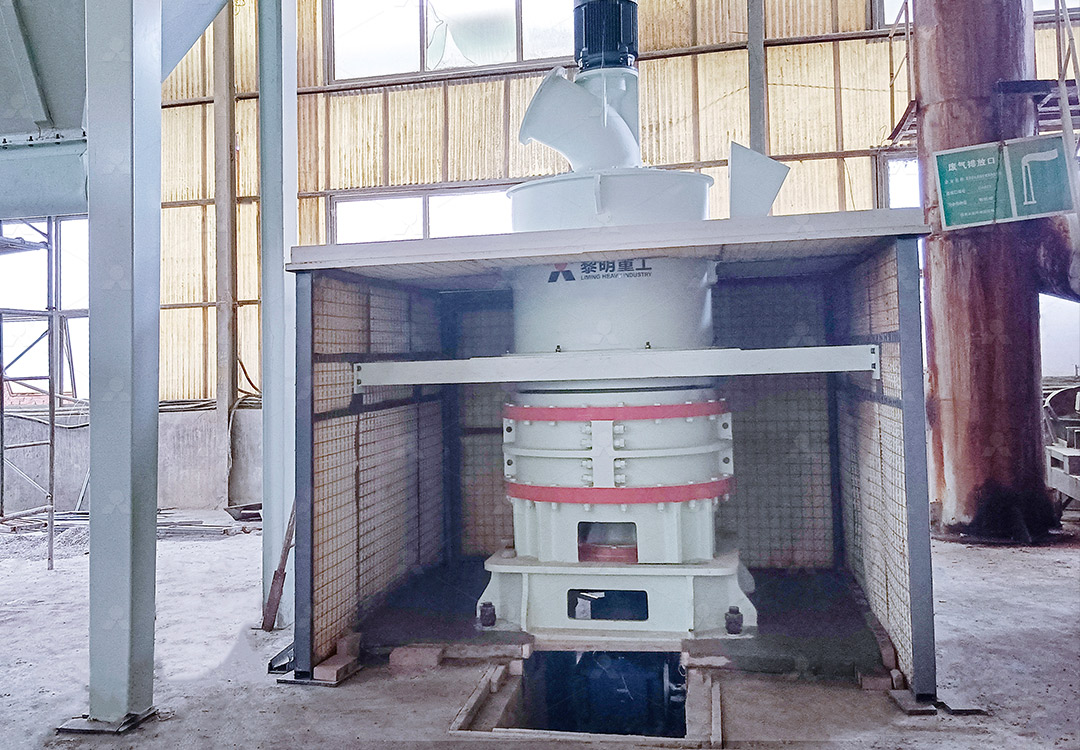
For power plants seeking to maximize their desulfurization efficiency, our MW Ultrafine Grinding Mill presents an ideal solution. Specifically designed for producing ultra-fine powder, this mill excels in processing limestone for FGD applications.
Why Choose the MW Mill for FGD?
With an input size of 0-20 mm and a capacity ranging from 0.5 to 25 tons per hour, the MW Mill is perfectly scaled for power plant auxiliary systems. Its cage-type powder selector, incorporating German technology, allows precise adjustment of fineness between 325 and 2500 meshes, ensuring the limestone powder has the optimal surface area for rapid SO₂ absorption. Furthermore, its unique design without rolling bearings or screws in the grinding chamber eliminates common failure points, enhancing reliability for continuous 24/7 operation that power plants require. The integrated efficient pulse dust collector and muffler ensure the entire milling process is clean and quiet, aligning with strict environmental standards.
Complementary Technology: LUM Ultrafine Vertical Grinding Mill
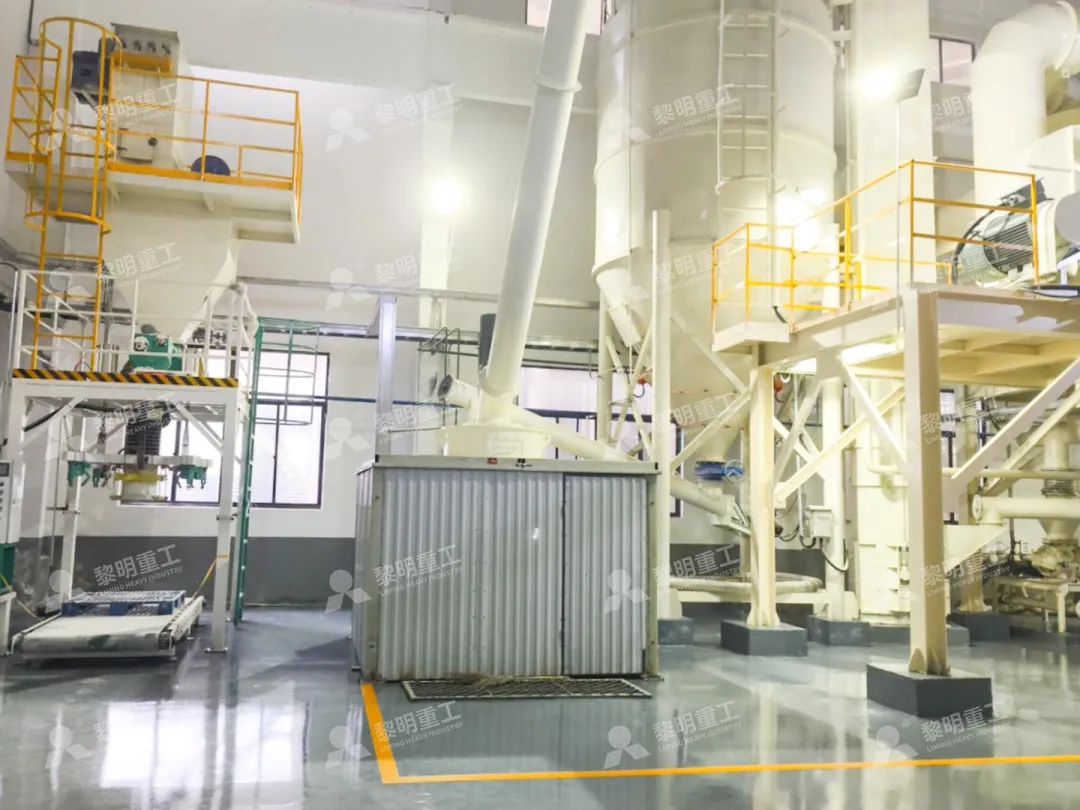
For projects requiring even higher integration or dealing with slightly different feed sizes, our LUM Ultrafine Vertical Grinding Mill is another excellent option. With an input size of 0-10 mm and a capacity of 5-18 tph, it integrates grinding, grading, and transporting into a single, compact unit. Its multi-head powder separating technology and PLC control system enable exceptional energy savings of 30%-50% compared to conventional mills, significantly reducing the operating cost of the desulfurization system.
Conclusion
Selecting the right grinding equipment is paramount for effective and economical flue gas desulfurization. Investing in advanced technology like the MW or LUM mills translates to higher SO₂ removal efficiency, lower operational costs, and a reduced environmental footprint, ensuring compliance and promoting sustainable power generation.
Frequently Asked Questions (FAQ)
What fineness of limestone powder is required for FGD?
For most wet flue gas desulfurization systems, limestone powder ground to a fineness of 250-325 mesh (44-63 microns) is typical. However, higher efficiency can often be achieved with even finer powders, up to 2500 mesh.
How does the MW Mill contribute to lower energy consumption?
The MW Ultrafine Grinding Mill’s newly designed grinding curves and efficient powder selector enhance grinding efficiency. It can achieve 40% higher capacity than jet mills with system energy consumption being only 30% of a jet mill, leading to substantial power savings.
Are these mills suitable for 24/7 operation in a power plant?
Yes, absolutely. Both the MW and LUM mills are designed for continuous, reliable operation. Features like external lubrication without shutdown (MW Mill) and reversible structures for easier maintenance (LUM Mill) are specifically engineered to minimize downtime and support the relentless operational schedule of a power plant.
How is dust control managed?
Both mills are equipped with high-efficiency pulse dust collectors integrated into the system. This ensures no dust pollution is generated during the entire milling process, keeping the operation clean and compliant with environmental regulations.