
Different Types of Cement Mills Used in Cement Plants
We provide a wide range of mills — including Raymond mill, trapezoidal mill, vertical mill, ultrafine mill, and ball mill, obtained ISO9001 international quality certification, EU CE certification, and Customs Union CU-TR certification. Suitable for processing minerals such as limestone, phosphate, quicklime, kaolin, talc, barite, bentonite, calcium carbonate, dolomite, coal, gypsum, clay, carbon black, slag, cement raw materials, cement clinker, and more.
The discharge range of these mills can be adjusted to meet specific processing needs, typically from 80-400 mesh, 600-3250 mesh, and can achieve the finest particle size of up to 6000 mesh(D50).
If you are looking for a reliable grinding solution to turn stone or minerals into fine powder, please feel free to contact our online customer service.
Different Types of Cement Mills Used in Cement Plants
The heart of any cement plant lies in its grinding circuit, where raw materials and clinker are transformed into the fine powder we know as cement. Selecting the right mill technology is paramount for achieving optimal efficiency, product quality, and operational cost. Over the years, cement milling has evolved from traditional ball mills to a variety of sophisticated grinding systems, each with distinct advantages for specific applications.
1. Ball Mills: The Traditional Workhorse
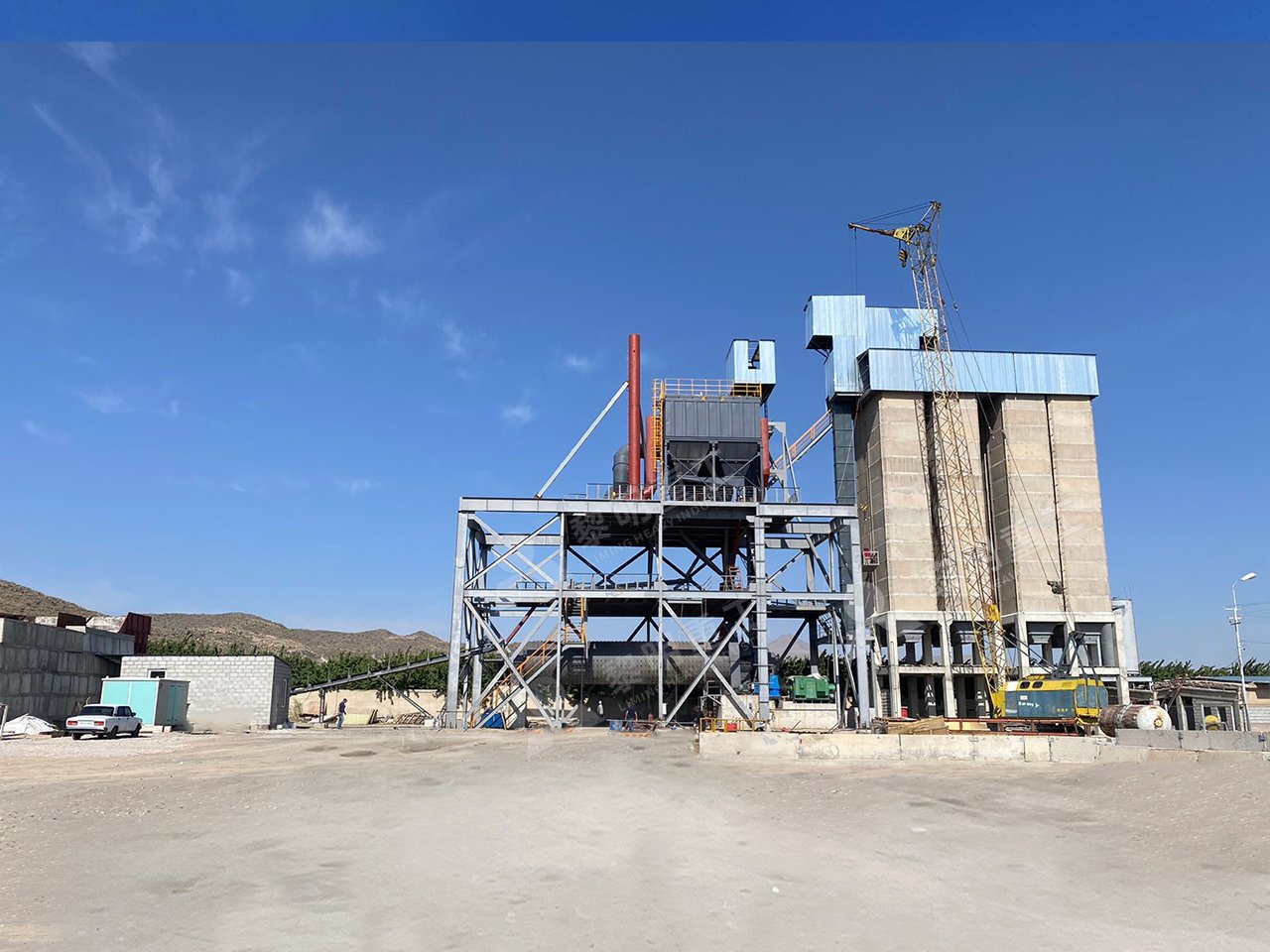
The ball mill is a classic piece of equipment, characterized by a horizontal rotating cylinder filled with steel grinding media. As the mill rotates, the balls cascade and impact the material, resulting in size reduction through abrasion and attrition. While ball mills are known for their reliability and ability to handle a wide range of materials, they are less energy-efficient compared to modern vertical mills. A significant portion of energy is consumed in rotating the heavy drum and lifting the grinding media rather than in the actual grinding process.
2. Vertical Roller Mills (VRM): The Modern Standard
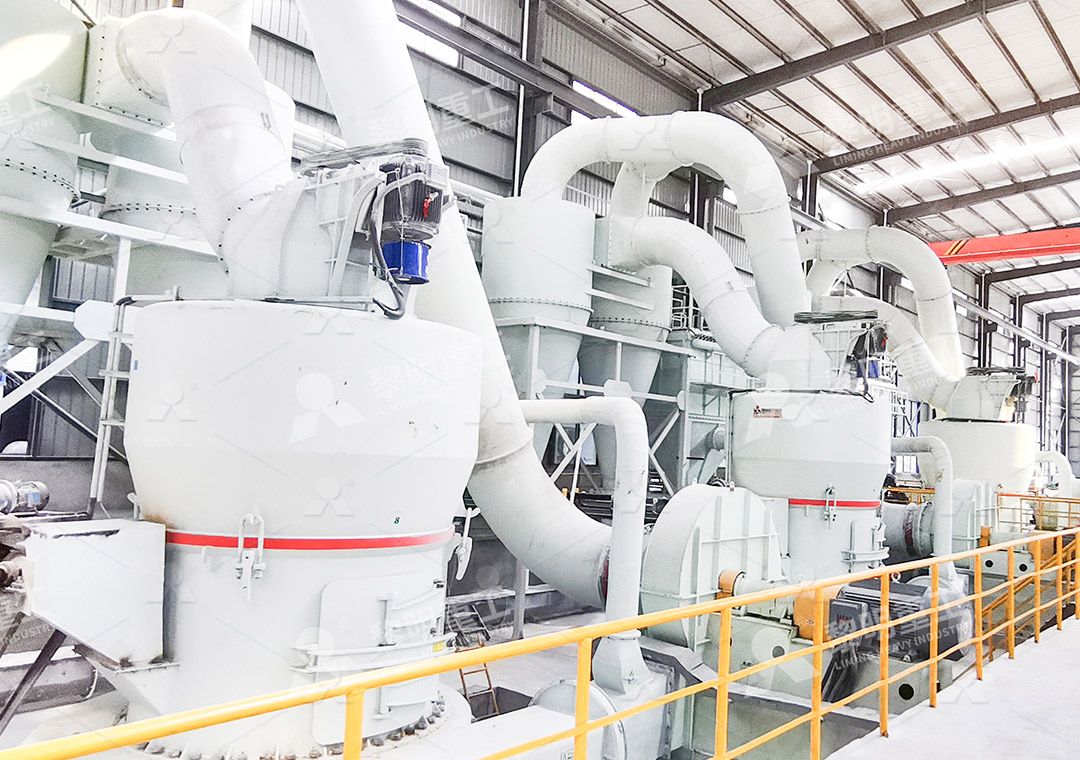
Vertical Roller Mills have become the industry standard for raw material and cement grinding due to their superior energy efficiency. In a VRM, material is fed onto a rotating grinding table and is ground under pressure by hydraulically loaded rollers. The ground material is immediately transported by a stream of gas to a built-in classifier, where finished product is separated and coarse material is returned for further grinding. This integrated drying, grinding, and classifying process within a compact footprint makes VRMs highly efficient. Our LM Vertical Grinding Mill exemplifies this technology, integrating crushing, drying, grinding, classifying, and conveying into a single unit. It reduces energy consumption by 30%-40% compared to ball mills and its occupational area is reduced by 50%, making it an excellent choice for modern, high-capacity plants.
3. Roller Presses: High-Pressure Grinding
Often used in combination with a ball mill, the roller press is a highly efficient pre-grinding unit. It operates by compressing the feed material between two counter-rotating rolls under extreme pressure. This process causes micro-cracks to form in the particles, making them much easier to grind in a subsequent ball mill. This hybrid system, known as a semi-finish grinding circuit, can significantly boost the overall capacity of a grinding plant and reduce specific energy consumption.
4. Ultrafine Grinding for Specialized Applications
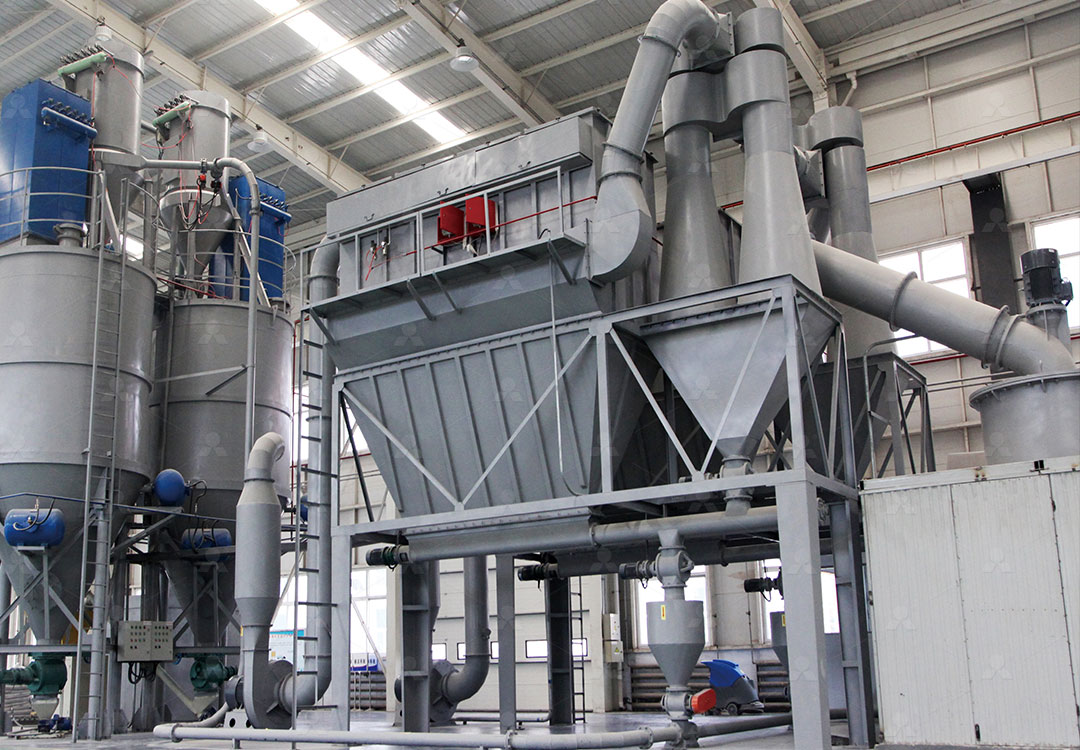
Beyond traditional cement production, there is a growing need for ultrafine powders in specialty cements, slag utilization, and other industrial minerals. For these demanding applications, advanced mills are required. Our MW Ultrafine Grinding Mill is engineered precisely for this purpose. Designed to produce powders between 325-2500 meshes, it features a cage-type powder selector based on German technology for precise separation. Its unique design, with no rolling bearings or screws in the grinding chamber, eliminates common failure points and allows for external lubrication without shutdown. With a capacity of 0.5-25 TPH and energy consumption reportedly 30% of some jet mills, the MW Series is ideal for producers looking to add high-value ultrafine products to their portfolio.
Conclusion
The choice of cement mill is a critical decision that impacts a plant’s profitability and sustainability for decades. While the robust ball mill remains a viable option, the energy savings and process efficiency of Vertical Roller Mills have made them the dominant technology for new installations. For specific needs like pre-grinding or producing ultrafine materials, Roller Presses and specialized mills like the MW Series offer targeted solutions. Understanding the strengths of each mill type is key to designing an efficient and future-proof grinding circuit.
Frequently Asked Questions (FAQ)
- Q: What is the main advantage of a Vertical Roller Mill over a Ball Mill?
- A: The primary advantage is significantly lower energy consumption, typically 30-40% less, due to its more efficient grinding principle and integrated drying and classifying system.
- Q: Can a Roller Press be used alone to grind cement?
- A: While technically possible, it is more common and effective to use a Roller Press as a pre-grinder in a hybrid circuit with a ball mill to achieve the desired product fineness and particle size distribution.
- Q: What types of materials can be processed with an MW Ultrafine Grinding Mill?
- A: The MW Mill is highly versatile, suitable for limestone, calcite, dolomite, slag, gypsum, barite, and other non-metallic minerals with a Moh’s hardness less than 6, producing powders for chemicals, paints, and advanced construction materials.
- Q: How important is maintenance accessibility when choosing a mill?
- A: It is crucial. Designs that allow for easy access to wear parts like rollers and liners, such as the swing-out roller design in our LUM and LM mills, drastically reduce downtime and maintenance costs over the equipment’s lifetime.