
Water Slag Micro-Powder Production Process: How to Grind Water Slag into Powder
We provide a wide range of mills — including Raymond mill, trapezoidal mill, vertical mill, ultrafine mill, and ball mill, obtained ISO9001 international quality certification, EU CE certification, and Customs Union CU-TR certification. Suitable for processing minerals such as limestone, phosphate, quicklime, kaolin, talc, barite, bentonite, calcium carbonate, dolomite, coal, gypsum, clay, carbon black, slag, cement raw materials, cement clinker, and more.
The discharge range of these mills can be adjusted to meet specific processing needs, typically from 80-400 mesh, 600-3250 mesh, and can achieve the finest particle size of up to 6000 mesh(D50).
If you are looking for a reliable grinding solution to turn stone or minerals into fine powder, please feel free to contact our online customer service.
Transforming Industrial Byproduct into Valuable Resource
Water slag, a byproduct of blast furnace iron production, has evolved from industrial waste to a valuable construction material. When ground into fine powder, this material exhibits excellent cementitious properties, making it an ideal supplementary cementitious material (SCM) for concrete production. The transformation process requires specialized grinding technology to achieve the precise particle size distribution necessary for optimal performance.
The Grinding Challenge: From Granules to Micro-Powder
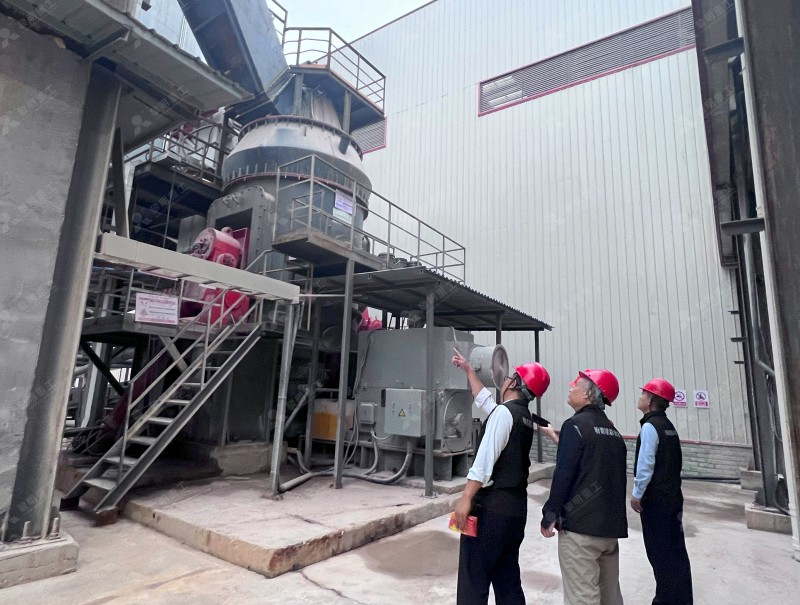
Raw water slag typically emerges from blast furnaces as granular material with particle sizes ranging from 0-20mm. To activate its latent hydraulic properties, the material must be ground to a fineness between 400-600 m²/kg Blaine specific surface area, with some applications requiring even finer particles. This process demands equipment capable of handling the abrasive nature of slag while maintaining consistent product quality and energy efficiency.
Advanced Grinding Solutions for Superior Results
Traditional ball mills often struggle with the hardness and abrasiveness of slag, leading to high maintenance costs and inconsistent product quality. Modern grinding technology has addressed these challenges through innovative engineering designs that optimize grinding efficiency while reducing operational costs.
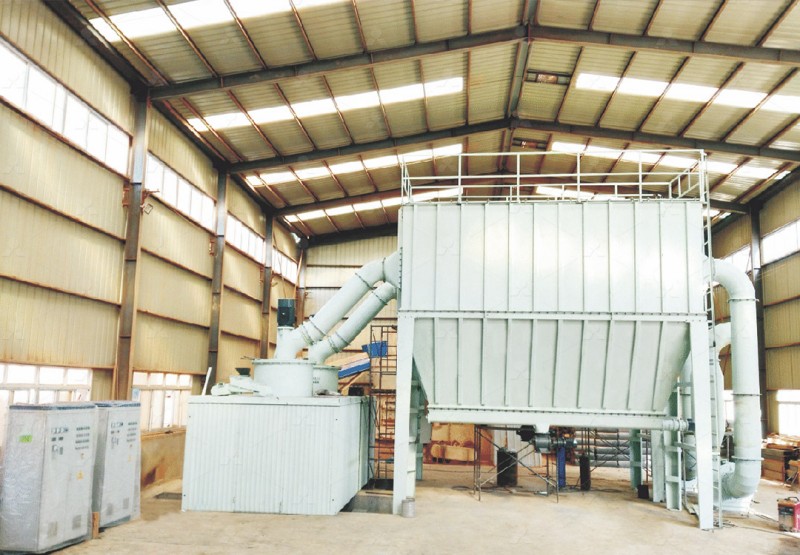
For operations requiring ultra-fine powder production, the MW Ultrafine Grinding Mill represents an exceptional solution. With an input size capacity of 0-20 mm and production rates ranging from 0.5-25 tph, this system is specifically engineered for challenging materials like water slag. Its unique design features higher yielding capacity with lower energy consumption—producing 40% higher capacity than jet mills while using only 30% of the energy. The adjustable fineness between 325-2500 meshes ensures precise control over final product specifications.
Vertical Grinding Technology for Slag Applications
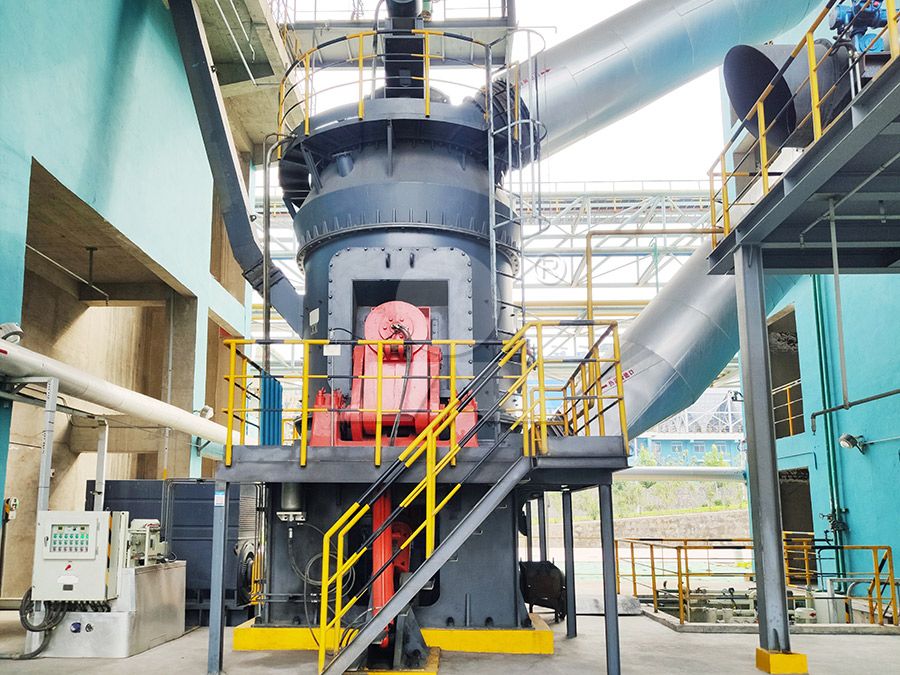
For larger-scale operations, vertical grinding mills offer significant advantages in slag processing. The LM Vertical Slag Mill integrates drying, grinding, powder selection, and conveying in a single system, specifically designed for industrial waste materials. With capacity ranging from 7-100 t/h and handling input sizes of 38-65mm, this system reduces energy consumption by 30-40% compared to traditional ball milling systems while occupying approximately 50% less space.
Key Considerations in Slag Grinding System Design
Successful water slag powder production requires attention to several critical factors:
- Moisture Content: Effective drying systems must be integrated to handle the inherent moisture in water slag
- Abrasion Resistance: Grinding components must withstand the highly abrasive nature of slag particles
- Particle Size Distribution: Consistent grading is essential for optimal performance in concrete applications
- Energy Efficiency: Modern systems must balance production capacity with power consumption
- Environmental Compliance: Dust collection and noise reduction are mandatory for sustainable operation
Frequently Asked Questions
What is the optimal fineness for water slag powder in concrete applications?
Most concrete applications require water slag powder with a specific surface area between 400-600 m²/kg. The MW Ultrafine Grinding Mill can achieve fineness up to 2500 meshes, providing flexibility for various application requirements.
How does slag grinding affect the material’s cementitious properties?
Grinding activates the latent hydraulic properties of slag by increasing surface area and exposing reactive components. finer particles react more completely with calcium hydroxide during hydration, enhancing strength development and durability.
What maintenance considerations are specific to slag grinding equipment?
Slag’s abrasive nature requires wear-resistant materials in grinding components. The MW Ultrafine Grinding Mill addresses this with its innovative design that eliminates rolling bearings and screws in the grinding chamber, reducing maintenance requirements and preventing damage from loose components.
Can the same equipment process both granulated blast furnace slag and steel slag?
While both materials can be processed using similar equipment, steel slag typically requires additional precautions due to its higher iron content and potentially unstable components. Equipment selection should consider these material differences.
What environmental benefits does slag powder production offer?
Converting industrial byproducts into valuable construction materials reduces landfill waste and decreases the carbon footprint of concrete production by reducing Portland cement content. Modern grinding systems like the MW Ultrafine Grinding Mill incorporate efficient dust collection and noise reduction features to minimize environmental impact during processing.