
FLS Vertical Raw Mill Design and Technical Specifications
We provide a wide range of mills — including Raymond mill, trapezoidal mill, vertical mill, ultrafine mill, and ball mill, obtained ISO9001 international quality certification, EU CE certification, and Customs Union CU-TR certification. Suitable for processing minerals such as limestone, phosphate, quicklime, kaolin, talc, barite, bentonite, calcium carbonate, dolomite, coal, gypsum, clay, carbon black, slag, cement raw materials, cement clinker, and more.
The discharge range of these mills can be adjusted to meet specific processing needs, typically from 80-400 mesh, 600-3250 mesh, and can achieve the finest particle size of up to 6000 mesh(D50).
If you are looking for a reliable grinding solution to turn stone or minerals into fine powder, please feel free to contact our online customer service.
FLS Vertical Raw Mill Design and Technical Specifications
In the realm of industrial milling, the design and specifications of vertical raw mills are paramount for achieving optimal efficiency, product quality, and operational reliability. A well-engineered vertical mill integrates crushing, drying, grinding, classifying, and conveying into a single, compact unit, significantly reducing the overall footprint and energy consumption compared to traditional ball mill systems. The core of such a system lies in its grinding mechanism, where rollers exert pressure on a rotating table, efficiently processing materials with minimal vibration and noise.
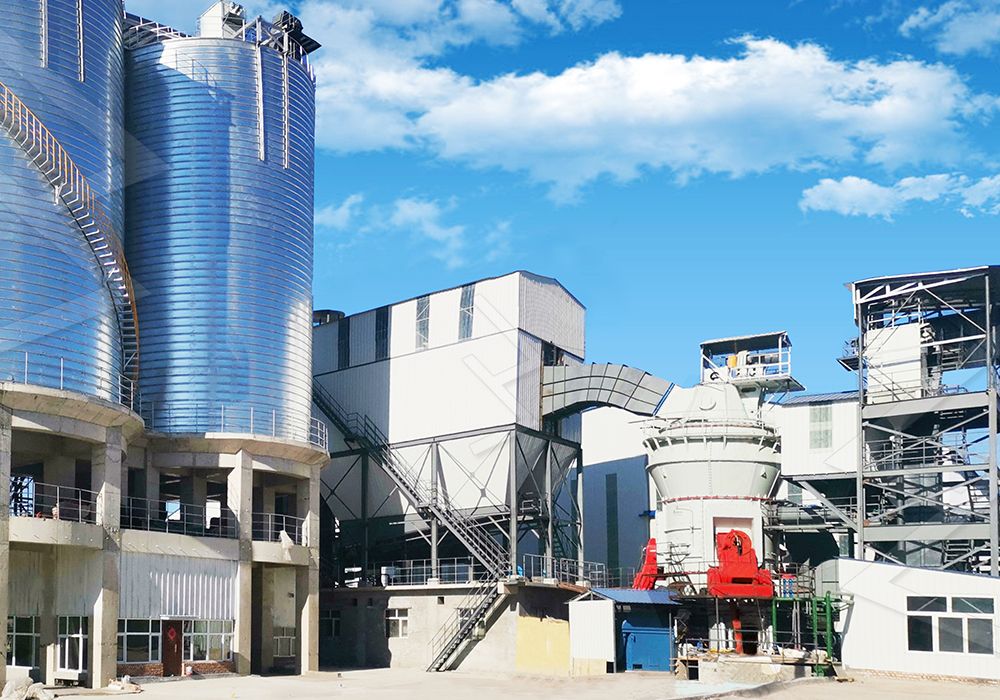
Key design considerations include the grinding curve of rollers and the table, the efficiency of the powder separation system, and the overall structural integrity to handle abrasive materials. Modern mills leverage advanced technologies like PLC control systems for precise operation and hydraulic systems for easy maintenance. For operations requiring ultra-fine powder production with superior particle size distribution, the integration of advanced powder selection technology is non-negotiable.
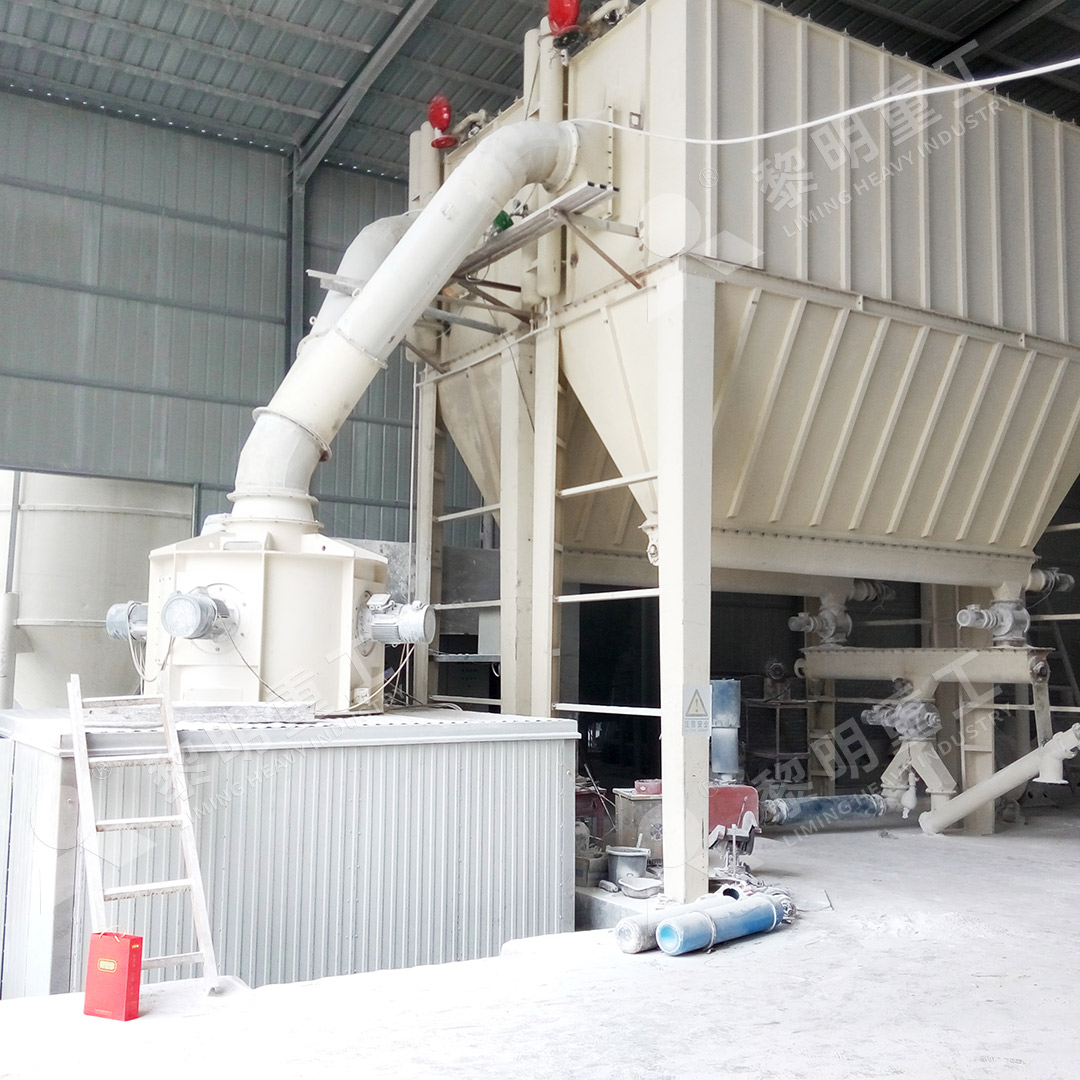
For projects demanding the highest standards in ultrafine grinding, we highly recommend our MW Ultrafine Grinding Mill. Engineered for customers needing to make ultra-fine powder, it boasts a capacity of 0.5-25 TPH and can handle an input size of 0-20mm. Its cage-type powder selector, incorporating German technology, allows for precise fineness adjustment between 325-2500 meshes. A significant advantage is the absence of rolling bearings and screws in the grinding chamber, eliminating concerns about bearing damage or loose screws causing failures. Furthermore, its efficient pulse dust collector and muffler ensure an environmentally friendly operation with minimal dust and noise pollution.
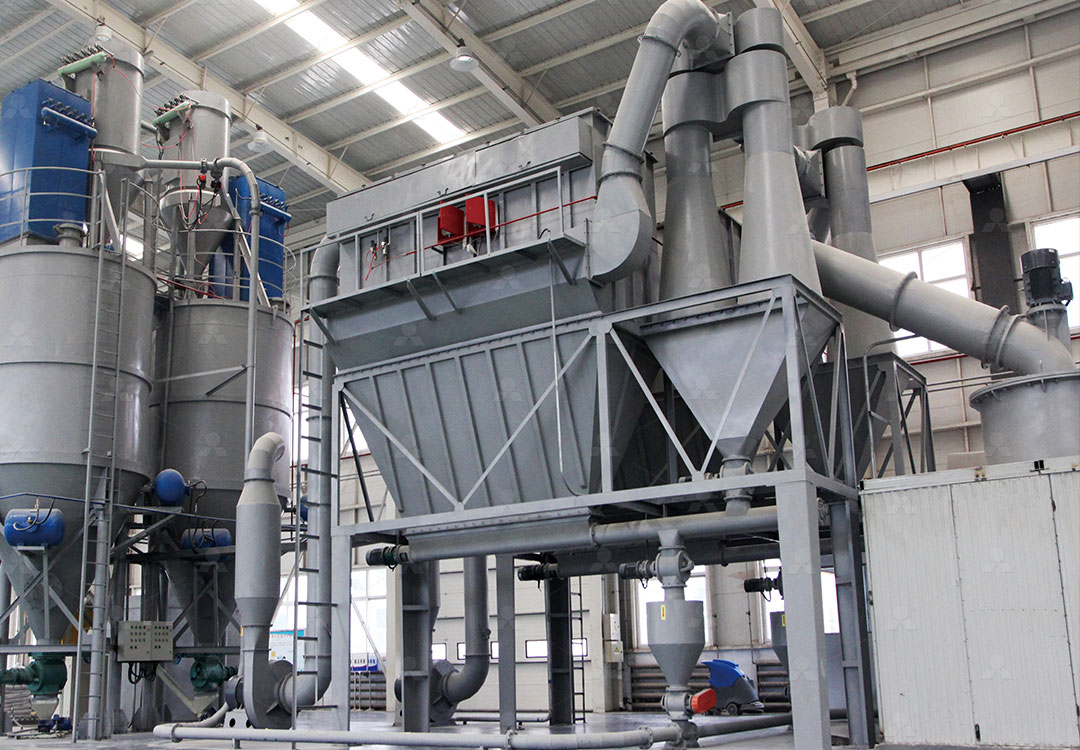
Another exceptional solution for specialized applications is the LUM Ultrafine Vertical Grinding Mill. It combines cutting-edge Taiwanese grinding roller technology with German powder separating technology. Designed with a unique roller shell and lining plate grinding curve, it promotes easier material layer formation and achieves a high rate of finished product in a single pass. Its reversible structure, facilitated by a hydraulic system, allows grinding rollers to be easily moved out of the body for maintenance, drastically reducing downtime. With an input size of 0-10mm and a capacity of 5-18 TPH, it is a powerhouse of efficiency and precision.
The selection between these models depends on specific material characteristics, desired fineness, and production capacity requirements. Both represent the pinnacle of grinding technology, offering higher yield rates, lower energy consumption, and more stable operation than conventional mills.
Frequently Asked Questions (FAQ)
What is the main advantage of a vertical roller mill over a ball mill?
Vertical roller mills offer a significantly smaller footprint, often 50% less than a ball mill system. They are also more energy-efficient, typically reducing energy consumption by 30-40%, and integrate multiple processes (drying, grinding, classifying) into a single unit.
How is product fineness controlled in the MW Ultrafine Grinding Mill?
Fineness is precisely controlled through a multi-head cage-type powder selector. By adjusting the speed of this selector, the product fineness can be accurately set between 325 and 2500 meshes, achieving a high screening rate of d97≤5μm.
What materials can be processed with the LUM Ultrafine Vertical Grinding Mill?
The LUM mill is highly versatile, suitable for processing non-metal ores such as calcite, marble, limestone, talc, barite, dolomite, and petroleum coal, among others, into superfine dry powder.
How does the design of these mills contribute to environmental protection?
Both mills are equipped with high-efficiency pulse dust collectors and noise reduction systems like mufflers and silencers. The fully sealed systems operate under negative pressure, preventing dust spillage and ensuring emissions meet stringent national environmental standards.
What makes maintenance easier on the LUM Ultrafine Vertical Grinding Mill?
The LUM mill features a uniquely designed reversible structure. Using the hydraulic system, the heavy grinding rollers can be easily and quickly turned out of the mill body for inspection, replacement of wear parts, or other maintenance, minimizing operational interruptions.