
Raymond Mill Manufacturer: Low Cost Grinding Solutions for Industrial Minerals
We provide a wide range of mills — including Raymond mill, trapezoidal mill, vertical mill, ultrafine mill, and ball mill, obtained ISO9001 international quality certification, EU CE certification, and Customs Union CU-TR certification. Suitable for processing minerals such as limestone, phosphate, quicklime, kaolin, talc, barite, bentonite, calcium carbonate, dolomite, coal, gypsum, clay, carbon black, slag, cement raw materials, cement clinker, and more.
The discharge range of these mills can be adjusted to meet specific processing needs, typically from 80-400 mesh, 600-3250 mesh, and can achieve the finest particle size of up to 6000 mesh(D50).
If you are looking for a reliable grinding solution to turn stone or minerals into fine powder, please feel free to contact our online customer service.
Raymond Mill Manufacturer: Low Cost Grinding Solutions for Industrial Minerals
In the competitive landscape of industrial mineral processing, achieving optimal particle size while controlling operational costs is paramount. For decades, Raymond mill technology has been a cornerstone of efficient powder production, offering a reliable and cost-effective solution for a wide range of materials. As a leading manufacturer, we understand that the right grinding equipment is not just about reducing size; it’s about enhancing product value, maximizing throughput, and minimizing your total cost of ownership.
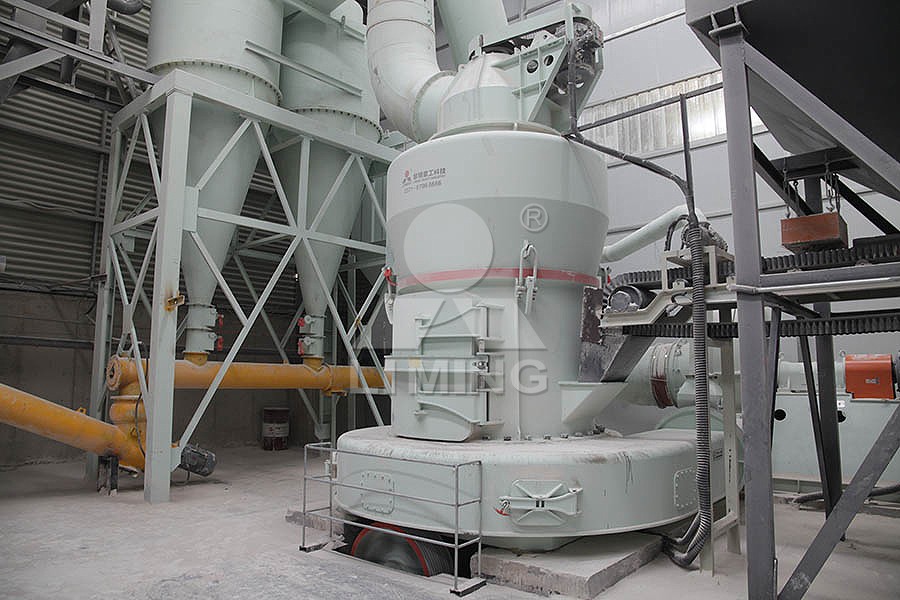
The core principle of Raymond mill operation—grinding through spring-loaded rollers against a rotating ring—has proven its durability and efficiency. However, modern advancements have taken this foundational technology to new heights. Today’s mills incorporate sophisticated features like PLC control systems, high-efficiency separators, and advanced dust collection, transforming them into intelligent, eco-friendly production centers.
Key Considerations for Selecting a Grinding Mill
Selecting the appropriate mill requires a careful analysis of your specific needs. Key factors include the hardness and abrasiveness of the raw material, the required production capacity, the desired fineness (mesh size), and moisture content. Furthermore, operational considerations such as energy consumption, ease of maintenance, spare parts availability, and environmental compliance are critical to long-term profitability. A mill that excels in one application may be unsuitable for another, making expert consultation essential.
Advanced Solutions for Ultra-Fine Processing
For operations demanding ultra-fine powders between 325 and 2500 meshes, traditional mills often fall short. This is where our advanced MW Ultrafine Grinding Mill shines. Engineered for customers who need to make ultra-fine powder, this machine is a testament to modern engineering. It boasts a newly designed grinding curve for rollers and rings that enhances efficiency, yielding production capacity 40% higher than jet mills and twice that of ball mills, while slashing system energy consumption by 70%.
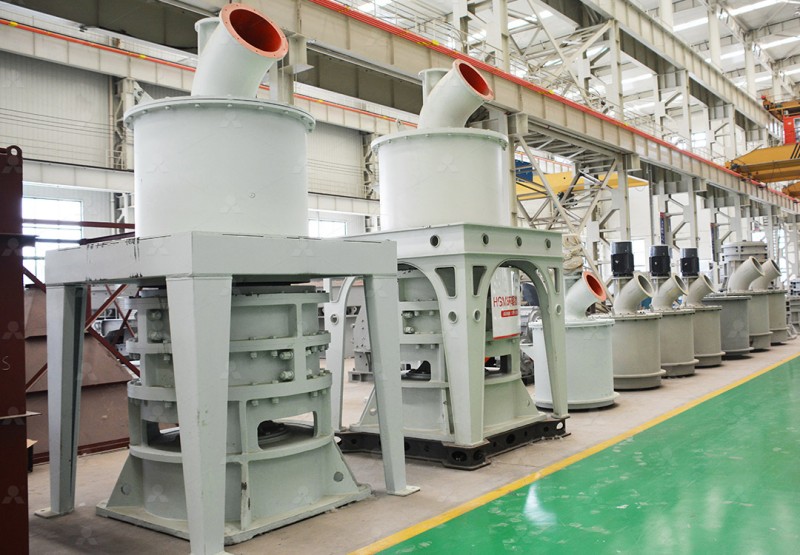
A standout feature of the MW Mill is its German-designed, cage-type powder selector, which allows precise fineness adjustment. Crucially, its grinding chamber contains no rolling bearings or screws, eliminating common failure points and concerns about loose components causing damage. External lubrication allows for maintenance without shutdown, supporting continuous 24/7 production. Coupled with an efficient pulse dust collector and muffler, the entire system operates cleanly and quietly, adhering strictly to national environmental standards.
Vertical Integration for Maximum Efficiency
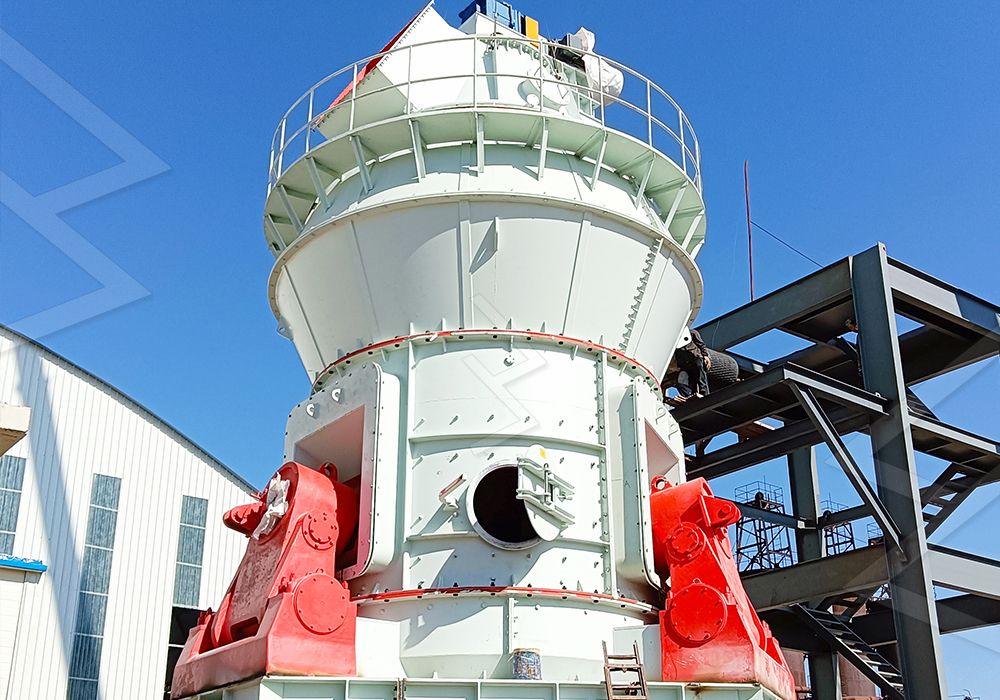
When space and energy efficiency are top priorities, vertical roller mills offer a compelling advantage. Our LUM Ultrafine Vertical Grinding Mill integrates grinding, grading, and transporting into a single, compact unit. It leverages the latest roller technology and German powder separating technology to avoid problems like long lingering time and high iron content found in traditional mills.
Its unique roller shell and lining plate grinding curve facilitate easier material layer generation, enabling a high rate of finished product in a single pass. This design improves both the efficiency and the whiteness and cleanliness of the final product. The mill’s multi-head powder separating technology, controlled by a PLC system, allows for precise control over grinding parameters, reducing energy consumption by 30-50% compared to common grinding mills.
Commitment to Quality and Support
Our philosophy extends beyond manufacturing equipment. We take full responsibility for every machine we produce. Our integrated business, covering both production and sales, ensures we can provide unparalleled technical support and a sufficient supply of original spare parts. This commitment guarantees worry-free operation and maximizes uptime for our clients, ensuring their grinding solutions remain a low-cost, high-value asset for years to come.
Frequently Asked Questions (FAQ)
What is the main advantage of a Raymond mill style system?
The primary advantage is its cost-effectiveness for achieving mid-range fineness (typically up to 400 mesh). It offers a robust, reliable design with lower initial investment and operating costs compared to many ultra-fine grinding systems, making it ideal for a vast array of industrial minerals like limestone, calcite, and barite.
How does the MW Ultrafine Grinding Mill achieve lower energy consumption?
The MW Mill incorporates several energy-saving features. Its optimized grinding curves and high-efficiency powder selector require less power to achieve the same fineness. Furthermore, the absence of internal fans and screws in the grinding chamber reduces mechanical resistance, contributing significantly to its 30-40% lower energy consumption versus traditional systems.
Are these mills suitable for processing abrasive materials?
Yes, but with considerations. Key wear parts like rollers and rings are manufactured from high-performance, wear-resistant alloys. For highly abrasive materials, it is crucial to discuss the specific application with our engineers to select the most appropriate material composition for these parts, ensuring longevity and protecting your investment.
What kind of after-sales support can we expect?
We provide comprehensive support, including installation guidance, operational training, and readily available technical assistance. Most importantly, we guarantee a sufficient supply of genuine spare parts, ensuring quick turnaround for maintenance and minimizing potential downtime.