
Ball Mill Classifier Systems: A Guide to Classification Equipment in the USA
We provide a wide range of mills — including Raymond mill, trapezoidal mill, vertical mill, ultrafine mill, and ball mill, obtained ISO9001 international quality certification, EU CE certification, and Customs Union CU-TR certification. Suitable for processing minerals such as limestone, phosphate, quicklime, kaolin, talc, barite, bentonite, calcium carbonate, dolomite, coal, gypsum, clay, carbon black, slag, cement raw materials, cement clinker, and more.
The discharge range of these mills can be adjusted to meet specific processing needs, typically from 80-400 mesh, 600-3250 mesh, and can achieve the finest particle size of up to 6000 mesh(D50).
If you are looking for a reliable grinding solution to turn stone or minerals into fine powder, please feel free to contact our online customer service.
Ball Mill Classifier Systems: A Guide to Classification Equipment in the USA
In the world of mineral processing and powder production, achieving the desired particle size distribution is paramount. This is where classification equipment, particularly when paired with grinding mills, becomes a critical component of any operation. For professionals in the USA seeking efficient, reliable, and high-performance systems, understanding the synergy between mills and classifiers is essential for optimizing productivity and product quality.
The Critical Role of Classification
Classification is the process of separating particles by size, typically after a grinding operation. An efficient classifier ensures that only particles meeting the specified fineness proceed to the final product collection, while oversize material is returned to the mill for further grinding. This closed-circuit system is vital for maximizing mill efficiency, reducing energy consumption, and ensuring a consistent, high-quality product. Without precise classification, operations suffer from excessive energy use, lower yields, and unpredictable product specifications.
Advanced Milling Solutions for Modern Demands
While traditional ball mills have been the industry workhorse for decades, technological advancements have led to the development of more efficient grinding systems. For operations requiring ultra-fine powders with precise particle size control, specialized mills integrated with high-efficiency classifiers offer a superior solution.
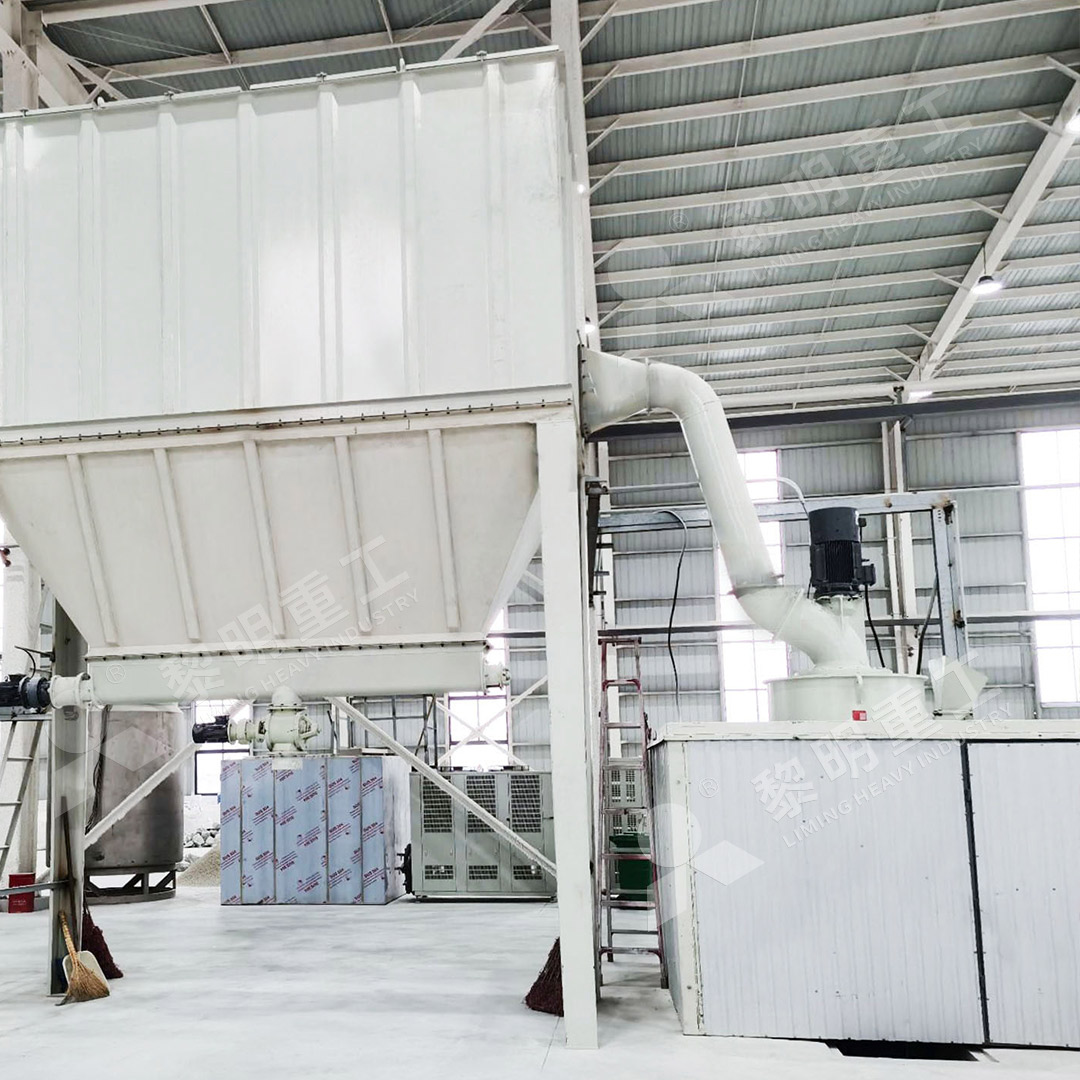
A standout example in this category is our MW Ultrafine Grinding Mill. Engineered for customers who need to produce ultra-fine powder between 325-2500 meshes, this machine represents a significant leap forward. It features a advanced cage-type powder selector based on German technology, which dramatically increases the precision of powder separation. The MW Mill boasts a production capacity 40% higher than jet or stirred grinding mills and operates at a system energy consumption that is only 30% of a jet mill. Its unique design, with no rolling bearings or screws in the grinding chamber, eliminates common failure points and allows for external lubrication without shutdown, supporting continuous 24/7 production. Furthermore, its integrated efficient pulse dust collector and muffler ensure an environmentally friendly operation that meets stringent national standards.
Selecting the Right System for Your Application
Choosing the optimal ball mill classifier system depends on several factors, including the feed material characteristics, desired capacity, target fineness, and energy efficiency goals. For non-metallic minerals like limestone, calcite, and talc, as well as applications in chemicals, paints, and cosmetics, systems capable of delicate, precise grinding are necessary.
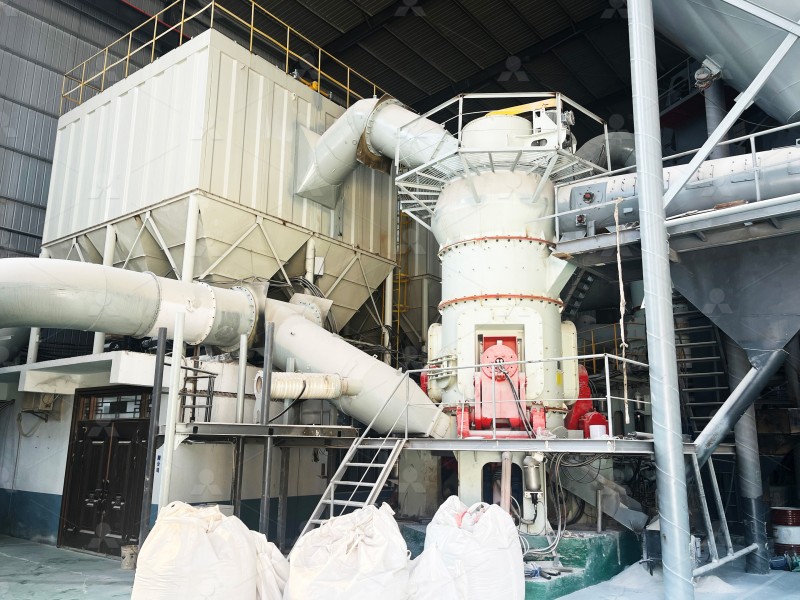
Another exceptional offering for such demanding applications is the LUM Ultrafine Vertical Grinding Mill. This mill integrates ultrafine powder grinding, grading, and transporting into a single, cohesive unit. It employs the latest grinding roller technology and German powder separating technology. A key advantage is its unique roller shell and lining plate grinding curve, which is easier to generate a material layer and achieves a high rate of finished product in a single pass. This design enhances efficiency and improves the whiteness and cleanliness of the final product. Its multi-head powder separating technology, controlled by a PLC system, allows for precise control over grinding parameters, reducing energy consumption by 30%-50% compared to common grinding mills.
Conclusion
Investing in the right classification equipment is not just about particle size—it’s about overall plant efficiency, product quality, and operational cost. By moving beyond traditional systems and embracing advanced, integrated solutions like the MW and LUM mills, operations in the USA can achieve new levels of performance and sustainability.
Frequently Asked Questions (FAQ)
- What is the main advantage of a closed-circuit grinding system with a classifier?
The primary advantage is significantly improved energy efficiency. The classifier returns oversize material for regrinding, ensuring the mill’s energy is focused only on particles that need further size reduction, leading to a more uniform final product and higher overall throughput. - How fine can modern classifier systems grind materials?
Advanced systems, like the MW Ultrafine Grinding Mill, can achieve product fineness adjustable between 325 and 2500 meshes (d97 ≤5μm), catering to the most demanding ultra-fine powder applications. - Are these systems suitable for environmentally sensitive operations?
Yes. Modern systems are designed with environmental protection in mind. They are equipped with efficient pulse dust collectors and mufflers to minimize dust pollution and noise, ensuring compliance with strict environmental regulations. - What kind of maintenance do these integrated mill-classifier systems require?
Designs like the MW Mill, which has no rolling bearings or screws in the grinding chamber, drastically reduce maintenance needs. Features like external lubrication systems allow for maintenance without production shutdowns, maximizing uptime.