
Top Ball Mill Manufacturers and Industrial Grinding Equipment Suppliers
We provide a wide range of mills — including Raymond mill, trapezoidal mill, vertical mill, ultrafine mill, and ball mill, obtained ISO9001 international quality certification, EU CE certification, and Customs Union CU-TR certification. Suitable for processing minerals such as limestone, phosphate, quicklime, kaolin, talc, barite, bentonite, calcium carbonate, dolomite, coal, gypsum, clay, carbon black, slag, cement raw materials, cement clinker, and more.
The discharge range of these mills can be adjusted to meet specific processing needs, typically from 80-400 mesh, 600-3250 mesh, and can achieve the finest particle size of up to 6000 mesh(D50).
If you are looking for a reliable grinding solution to turn stone or minerals into fine powder, please feel free to contact our online customer service.
Navigating the World of Industrial Grinding: A Guide to Excellence
The quest for the perfect particle size is a fundamental challenge across countless industries, from mining and construction to pharmaceuticals and advanced materials. For plant managers and procurement specialists, selecting the right grinding equipment is not just a purchase; it’s a long-term investment in productivity, efficiency, and operational stability. While the traditional ball mill has been a workhorse for decades, technological evolution has ushered in a new era of ultra-fine, energy-efficient milling solutions that redefine what’s possible.
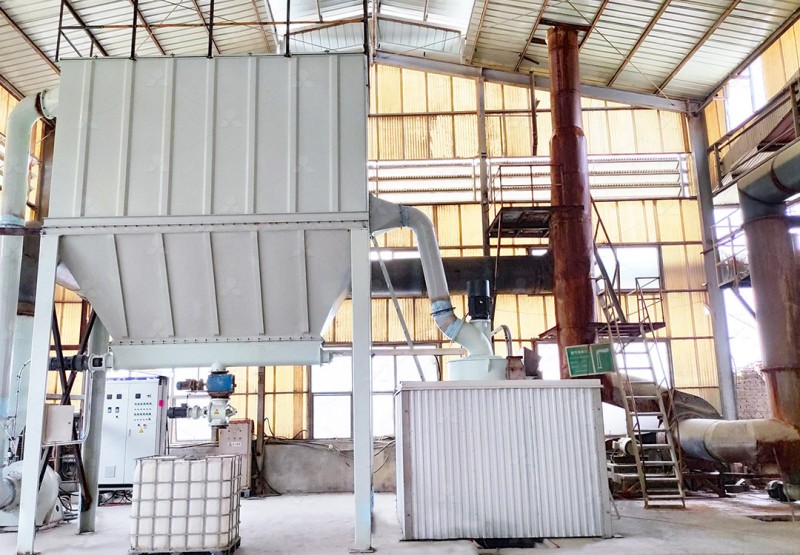
At the forefront of this innovation are ultrafine grinding mills, engineered to deliver unparalleled fineness and throughput while significantly reducing the operational footprint and energy consumption that plague older technologies. The key differentiators among top manufacturers lie in their commitment to R&D, precision engineering, and a deep understanding of material science.
Beyond the Ball Mill: The Rise of Advanced Grinding Technology
While ball mills are effective for many applications, their limitations in achieving superfine powders (finer than 325 mesh) and their relatively high energy consumption have driven the development of more sophisticated mills. Modern designs focus on optimizing grinding mechanics, improving classification accuracy, and integrating intelligent control systems. This results in equipment that not only produces superior product quality but also offers greater operational control and lower total cost of ownership.
For operations requiring ultra-fine powders between 325 and 2500 meshes, one standout solution is the MW Ultrafine Grinding Mill. This machine is a testament to intelligent design, built for customers who need to make ultra-fine powder without compromise. It handles a feed size of 0-20 mm with a capacity ranging from 0.5 to 25 tons per hour. Its defining feature is the absence of rolling bearings and screws in the grinding chamber, a revolutionary design that eliminates common failure points and concerns about bearing damage or loose screws causing catastrophic machine failure. Coupled with an external lubricating device that allows for lubrication without shutdown, the MW mill is engineered for continuous, worry-free 24/7 operation.
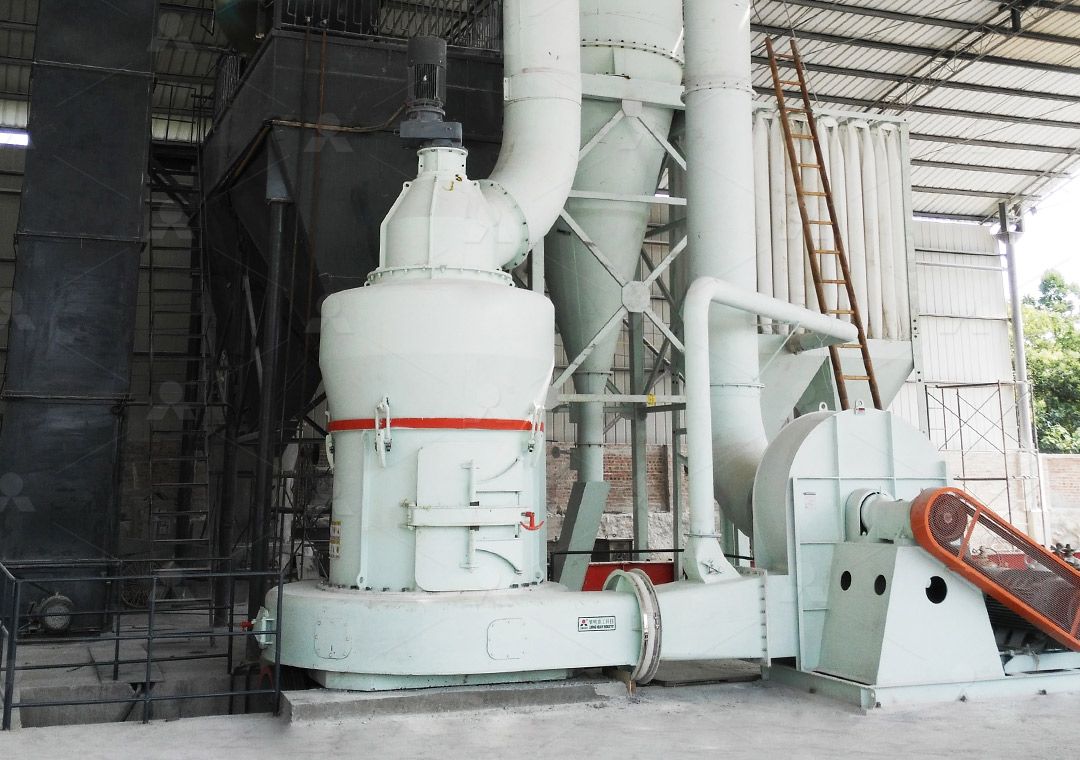
Furthermore, its efficient pulse dust collector and muffler system ensure the entire production process meets stringent environmental standards, drastically reducing dust and noise pollution. The integration of German-designed cage-type powder selector technology allows for precise fineness adjustment, ensuring every batch meets exact specifications. For minerals like limestone, calcite, dolomite, and advanced applications in chemicals, paints, and cosmetics, the MW Ultrafine Grinding Mill represents a leap in efficiency, offering 40% higher production capacity than jet mills and double the yield of ball mills for the same power input.
Choosing the Right Partner: More Than Just a Machine
Selecting a supplier goes beyond comparing technical specifications. It’s about partnering with a manufacturer that stands behind its products for the entire lifecycle. The best suppliers offer comprehensive support, from initial process consultation and installation to the guaranteed supply of original spare parts and expert technical services. This ensures not only a smooth startup but also decades of reliable, worry-free operation, maximizing your return on investment.
Frequently Asked Questions (FAQ)
What is the main advantage of an ultrafine mill over a traditional ball mill?
The primary advantages are significantly higher energy efficiency and the ability to achieve much finer product fineness. Ultrafine mills like the MW series can produce powders up to 2500 mesh, a range that is inefficient or impossible for standard ball mills to achieve, while consuming up to 30-40% less energy.
How important is environmental protection in modern grinding equipment?
Extremely important. Modern regulations and corporate social responsibility demands require equipment to have minimal environmental impact. Key features include fully enclosed negative-pressure systems to prevent dust spillage, efficient pulse jet bag dust collectors, and noise reduction technologies like mufflers and soundproof rooms.
What materials can be processed with the MW Ultrafine Grinding Mill?
It is highly versatile and suitable for a wide range of non-metallic minerals with Mohs hardness less than 7, such as limestone, calcite, dolomite, kaolin, talc, mica, gypsum, and barite. It is also extensively used in advanced industries for processing chemicals, paints, cosmetics, and food additives.
What does ‘worry-free operation’ actually entail from a supplier?
It means the supplier provides a full package of support. This includes responsibility for the machine’s performance, readily available original spare parts to minimize downtime, and remote and on-site technical services to quickly resolve any operational issues, ensuring continuous production.