
Energy-Saving and Consumption-Reducing Technologies for Lime Kiln Coal Mills
We provide a wide range of mills — including Raymond mill, trapezoidal mill, vertical mill, ultrafine mill, and ball mill, obtained ISO9001 international quality certification, EU CE certification, and Customs Union CU-TR certification. Suitable for processing minerals such as limestone, phosphate, quicklime, kaolin, talc, barite, bentonite, calcium carbonate, dolomite, coal, gypsum, clay, carbon black, slag, cement raw materials, cement clinker, and more.
The discharge range of these mills can be adjusted to meet specific processing needs, typically from 80-400 mesh, 600-3250 mesh, and can achieve the finest particle size of up to 6000 mesh(D50).
If you are looking for a reliable grinding solution to turn stone or minerals into fine powder, please feel free to contact our online customer service.
Energy-Saving and Consumption-Reducing Technologies for Lime Kiln Coal Mills
The pursuit of operational efficiency and environmental sustainability is paramount in modern lime production. Coal mills, as critical components in the pre-processing of fuel, present significant opportunities for energy conservation and consumption reduction. This article explores advanced technological solutions that enhance the performance of coal grinding systems while minimizing their environmental footprint.
The Imperative for Efficiency
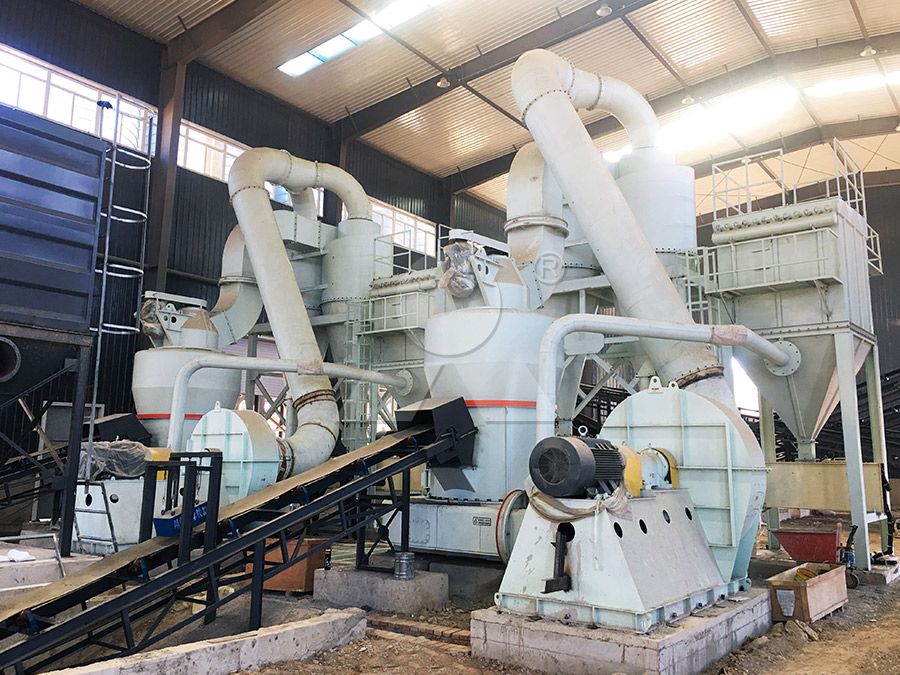
Traditional coal grinding systems, particularly ball mills, are often characterized by high energy intensity, substantial heat loss, and significant noise and dust emissions. These inefficiencies not only inflate operational costs but also contravene increasingly stringent environmental regulations. The industry’s shift towards ultra-fine pulverization to improve combustion efficiency in lime kilns further exacerbates these challenges, demanding more sophisticated milling technology.
Key Technological Advancements
Several core technologies have emerged to address these challenges. Innovations in grinding mechanics, powder separation, and system design collectively contribute to a new standard of performance.
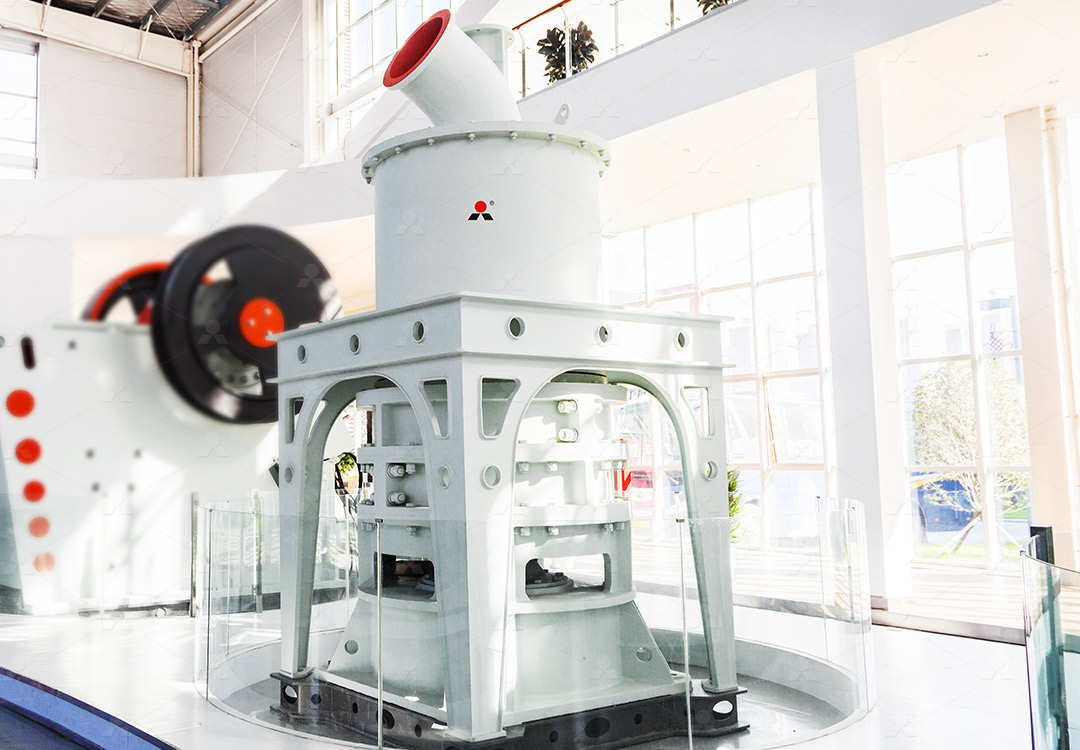
One standout solution is the MW Ultrafine Grinding Mill. This equipment is specifically engineered for customers requiring ultra-fine powder production. With an input size of 0-20 mm and a capacity range of 0.5-25 tph, it is exceptionally well-suited for pulverizing coal for lime kiln applications. Its design incorporates an efficient pulse dust collector and muffler, drastically reducing particulate emissions and noise pollution, ensuring the entire production process adheres to environmental standards.
The MW Mill’s efficiency stems from its newly designed grinding curves for the roller and ring, which enhance grinding effectiveness. It boasts a production capacity 40% higher than jet or stirred grinding mills at the same fineness and power, and double the yield of a traditional ball mill, all while reducing system energy consumption to just 30% of that of a jet mill. Its cage-type powder selector, utilizing German technology, allows for precise fineness adjustment between 325-2500 meshes, achieving a screening rate of d97≤5μm in a single pass.
System Integration and Environmental Benefits
Beyond individual machine performance, the integration of the entire grinding system is crucial. Modern mills are designed as complete solutions that incorporate crushing, drying, grinding, classifying, and conveying into a single, compact unit. This holistic approach minimizes heat loss, reduces the number of material transfers, and lowers the overall system footprint.
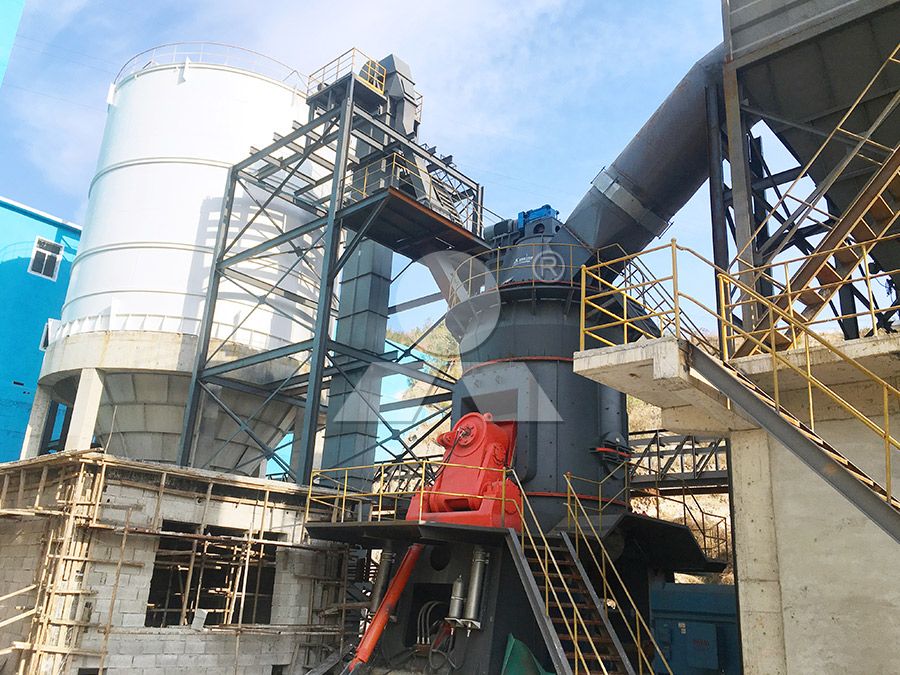
For operations requiring a vertical grinding solution, the LUM Ultrafine Vertical Grinding Mill offers remarkable benefits. Designed with the latest grinding roller and German powder separating technology, it integrates ultrafine powder grinding, grading, and transporting. Its unique roller shell and lining plate grinding curve generate a stable material layer, enabling a high rate of finished product yield from a single pass, which enhances efficiency and improves product whiteness. The LUM mill reduces energy consumption by 30%-50% compared to conventional mills and features double position-limiting technology for exceptional operational stability.
A critical advantage of these advanced mills is the elimination of rolling bearings and screws within the grinding chamber, as seen in the MW Mill. This design eliminates concerns about bearing damage or seal failure and prevents machine damage from loose screws. External lubrication allows for maintenance without shutdown, supporting continuous 24/7 production—a vital feature for lime kiln operations.
Conclusion
The adoption of energy-saving and consumption-reducing technologies is no longer an option but a necessity for competitive and sustainable lime production. By investing in advanced grinding systems like the MW Ultrafine Grinding Mill or the LUM Ultrafine Vertical Grinding Mill, operators can achieve substantial reductions in power consumption, minimize their environmental impact through superior dust and noise control, and enhance overall productivity through reliable, high-yield operation. These technologies represent a smart investment in the future of efficient and responsible manufacturing.
Frequently Asked Questions
- What is the primary energy-saving feature of modern coal mills?
The primary feature is their significantly higher grinding efficiency, achieved through optimized roller/ring curves and advanced powder separators, which can reduce energy consumption by 30-50% compared to traditional ball mills. - How do these mills contribute to environmental protection?
They are equipped with integrated, high-efficiency pulse dust collectors and mufflers, ensuring nearly dust-free operation and low noise levels, fully complying with national environmental protection standards. - Can the fineness of the coal powder be adjusted?
Yes. Advanced models feature cage-type powder selectors that allow precise adjustment of product fineness, typically between 325 to 2500 meshes, to meet specific combustion requirements in the lime kiln. - What are the maintenance advantages?
Key advantages include the absence of rolling bearings and screws in the grinding chamber (preventing related failures), external lubrication systems that allow for maintenance without shutdown, and reversible structures on some models for easy roller access and part replacement. - Are these mills suitable for 24/7 continuous operation?
Absolutely. Their robust design, stable operation through technologies like double position-limiting, and features enabling external maintenance are specifically engineered to support continuous, worry-free 24-hour operation.