
Application of Quartz Powder in Solar Cell Manufacturing Process
We provide a wide range of mills — including Raymond mill, trapezoidal mill, vertical mill, ultrafine mill, and ball mill, obtained ISO9001 international quality certification, EU CE certification, and Customs Union CU-TR certification. Suitable for processing minerals such as limestone, phosphate, quicklime, kaolin, talc, barite, bentonite, calcium carbonate, dolomite, coal, gypsum, clay, carbon black, slag, cement raw materials, cement clinker, and more.
The discharge range of these mills can be adjusted to meet specific processing needs, typically from 80-400 mesh, 600-3250 mesh, and can achieve the finest particle size of up to 6000 mesh(D50).
If you are looking for a reliable grinding solution to turn stone or minerals into fine powder, please feel free to contact our online customer service.
Application of Quartz Powder in Solar Cell Manufacturing Process
The relentless pursuit of efficiency and cost reduction in solar cell manufacturing has led to the exploration and adoption of advanced materials. High-purity quartz powder plays a pivotal, yet often understated, role in this high-tech industry. Its unique properties make it an indispensable component in several critical stages of photovoltaic (PV) cell production.
The Role of High-Purity Quartz
Quartz, primarily composed of silicon dioxide (SiO₂), is the foundational material for producing silicon metal and subsequently, ultra-pure polysilicon for silicon wafers. However, its utility extends far beyond this initial step. Finely ground quartz powder is essential in the production of crucibles used in the Czochralski process to grow single-crystal silicon ingots. These quartz crucibles must exhibit exceptional thermal stability, high purity, and resistance to thermal shock to ensure the integrity and quality of the silicon crystals.
Furthermore, quartz powder is a key ingredient in specialty glasses and pastes used for PV module encapsulation and conductive lines. The particle size distribution, chemical purity, and consistency of the powder are paramount. Any contamination or irregular particle size can lead to defects, reducing the cell’s efficiency and longevity.
The Critical Need for Precision Grinding
The effectiveness of quartz powder in these applications is almost entirely dependent on its particle size and morphology. Achieving the required ultra-fine fineness (often between 325 and 2500 meshes) with a narrow particle size distribution is not a task for conventional grinding equipment. Inconsistent grinding can introduce impurities, generate excessive heat (affecting material properties), or fail to achieve the necessary surface area for optimal chemical reactivity and sintering behavior.
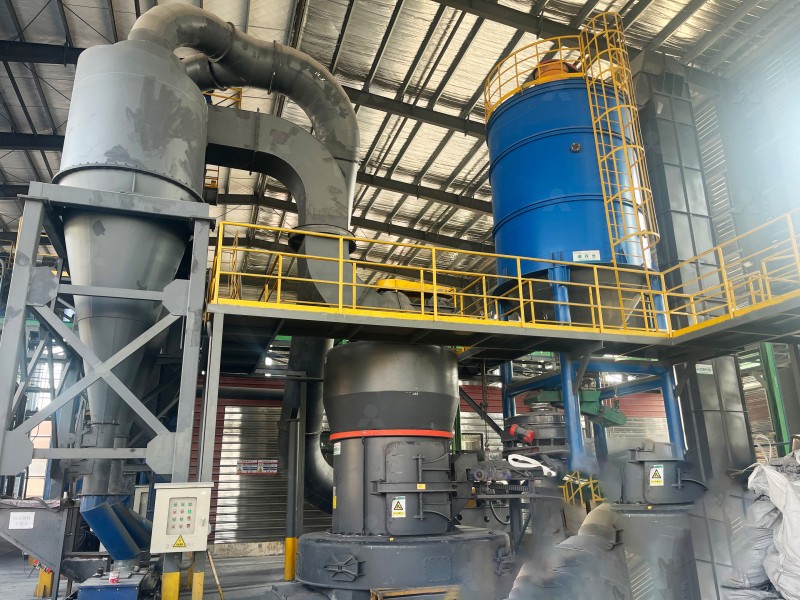
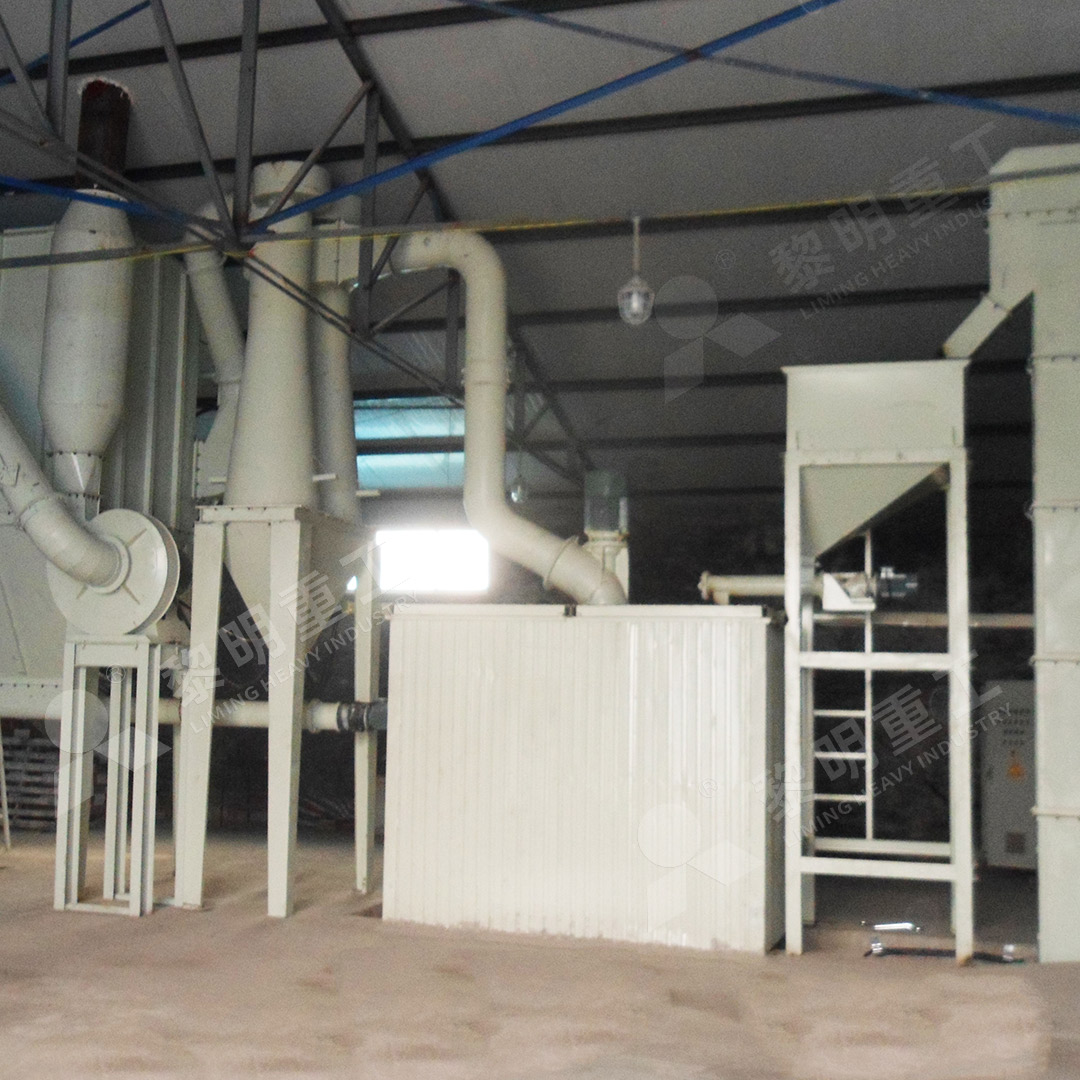
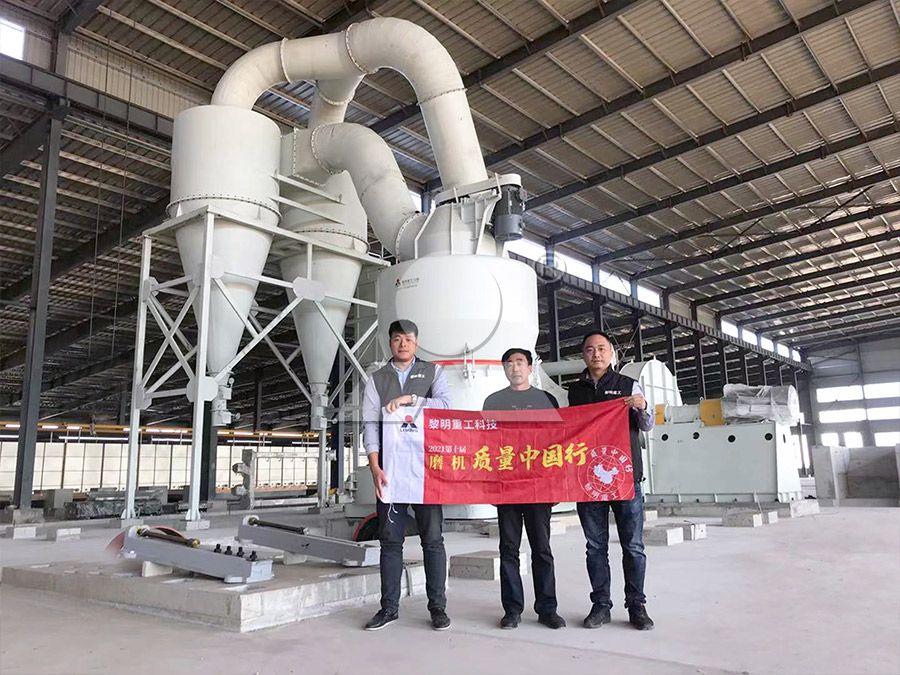
This is where advanced milling technology becomes a cornerstone of the supply chain. For manufacturers seeking a reliable source of high-purity quartz powder, the selection of grinding equipment is a strategic decision. We recommend our MW Ultrafine Grinding Mill for this precise application. Its innovative design is engineered to handle the rigorous demands of producing ultra-fine quartz powder. With a fineness range adjustable between 325-2500 meshes and a unique grinding chamber free from rolling bearings and screws, it eliminates common sources of iron contamination and mechanical failure. The integrated efficient pulse dust collector ensures the production process is clean and environmentally compliant, which is non-negotiable for solar-grade materials.
Beyond Silicon: Other Solar Technologies
While crystalline silicon dominates the market, quartz powder also finds use in thin-film and emerging PV technologies. It can be used in anti-reflective coatings, as a filler material, or in the substrate glass, where its optical clarity and durability enhance module performance. The ability to consistently produce tailored powders allows material scientists to innovate with new composite materials for next-generation solar cells.
Conclusion
From the crucible that grows the crystal to the glass that protects the cell, high-purity quartz powder is a silent enabler of the solar revolution. Its quality, dictated by the precision of the grinding process, directly influences the efficiency, cost, and reliability of the final photovoltaic module. Investing in the right grinding technology is, therefore, an investment in the future of solar energy.
Frequently Asked Questions (FAQ)
Why is quartz purity so important in solar cell manufacturing?
Even trace amounts of impurities like iron, potassium, or sodium can dramatically reduce the electrical performance and lifespan of silicon wafers. High purity ensures optimal crystal growth and minimal electron recombination.
What particle size is typically required for quartz powder in PV applications?
Requirements vary, but for crucible production and specialty pastes, a very fine and consistent powder is needed, often specified within a range of 5 to 45 microns (approximately 325 to 2500 meshes).
How does the MW Ultrafine Grinding Mill prevent iron contamination?
The mill’s grinding chamber is designed without rolling bearings or screws near the grinding zone. This design, coupled with external lubrication, virtually eliminates the risk of iron wear debris contaminating the product, which is critical for solar-grade quartz.
Can the same grinding mill be used for other materials in the renewable energy sector?
Absolutely. The MW Ultrafine Grinding Mill is also highly effective for processing other non-metallic minerals like lithium cobalt oxide (for batteries), talc, barite, and recycled glass, making it a versatile asset for advanced material production.