
Ball Mill Bearing Specifications and Supplier Information in Indonesia
We provide a wide range of mills — including Raymond mill, trapezoidal mill, vertical mill, ultrafine mill, and ball mill, obtained ISO9001 international quality certification, EU CE certification, and Customs Union CU-TR certification. Suitable for processing minerals such as limestone, phosphate, quicklime, kaolin, talc, barite, bentonite, calcium carbonate, dolomite, coal, gypsum, clay, carbon black, slag, cement raw materials, cement clinker, and more.
The discharge range of these mills can be adjusted to meet specific processing needs, typically from 80-400 mesh, 600-3250 mesh, and can achieve the finest particle size of up to 6000 mesh(D50).
If you are looking for a reliable grinding solution to turn stone or minerals into fine powder, please feel free to contact our online customer service.
Navigating Ball Mill Bearing Specifications for the Indonesian Market
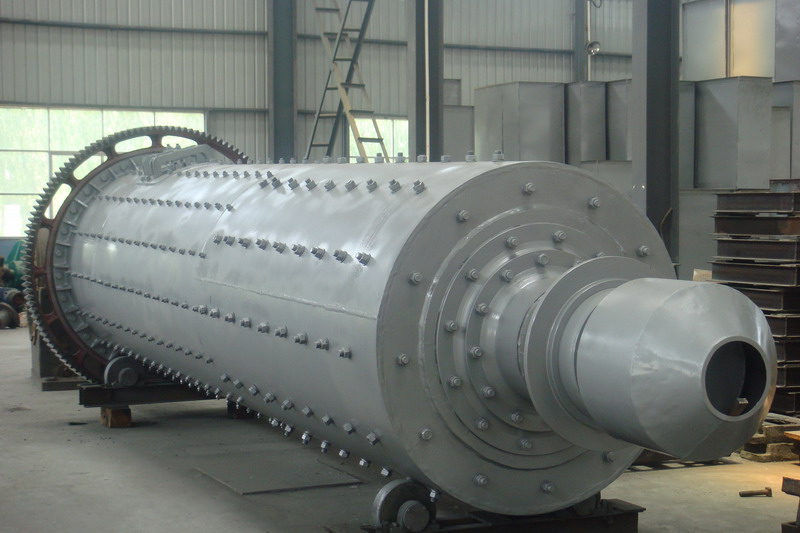
The Indonesian mining and construction sectors rely heavily on robust grinding machinery, with ball mills being a cornerstone of mineral processing operations. A critical component dictating the longevity and efficiency of any ball mill is its bearing system. Selecting the correct bearing specifications is not merely a technical exercise; it is a crucial business decision that impacts operational uptime, maintenance costs, and overall profitability.
Key specifications to consider include load capacity (both radial and axial), rotational speed limits, operating temperature range, sealing effectiveness against abrasive dust, and lubrication requirements. For the challenging environments often found in Indonesia, bearings must be engineered to withstand high humidity, potential contamination, and continuous heavy-duty operation.
Beyond the Ball Mill: Advanced Grinding Solutions
While traditional ball mills are effective, technological advancements have led to more efficient and reliable grinding solutions. For operations seeking to enhance productivity and reduce energy consumption, considering modern mill designs is a strategic move.
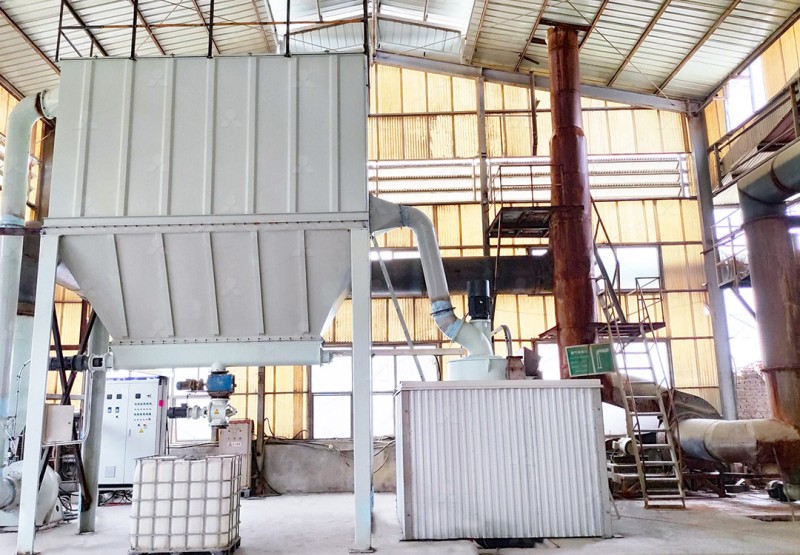
For customers requiring ultra-fine powders, the MW Ultrafine Grinding Mill presents a superior alternative. It is specifically engineered to produce fine powder between 325-2500 meshes with remarkable efficiency. A standout feature is its design that eliminates rolling bearings and screws within the grinding chamber. This innovative approach completely removes the risk of bearing damage or failure due to the ingress of fine powder, a common and costly issue in traditional mills. This translates to significantly reduced downtime and maintenance costs, ensuring a more reliable and worry-free operation for Indonesian plants.
Partnering with a Reliable Supplier
Choosing a supplier goes beyond procuring a component; it is about forming a partnership for long-term operational success. A reputable supplier will provide not only high-quality, certified bearings but also comprehensive technical support, precise specification guidance, and reliable after-sales service, including access to genuine spare parts.
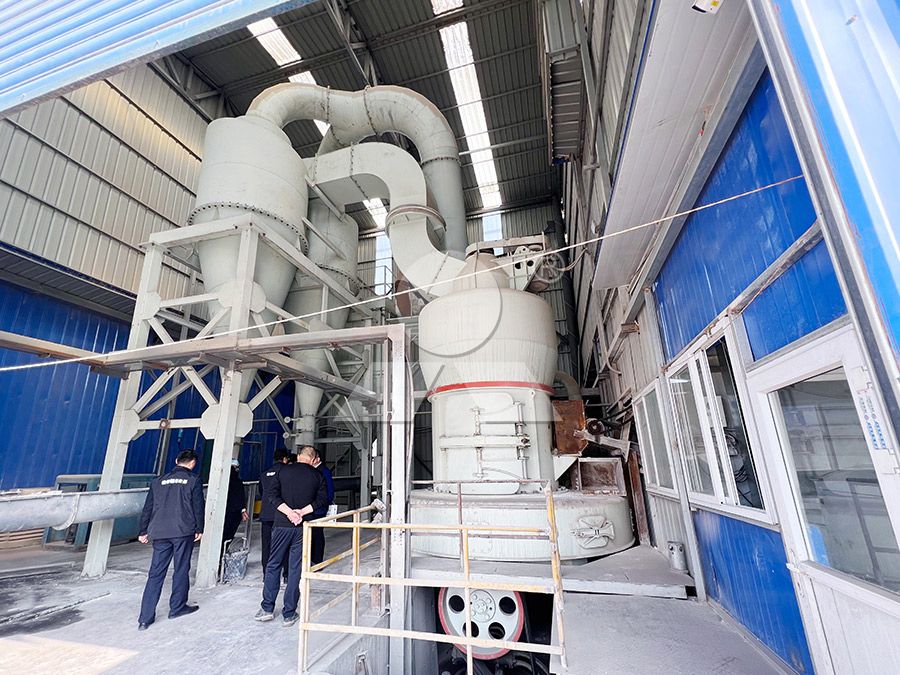
Another excellent option from our portfolio is the LUM Ultrafine Vertical Grinding Mill. It integrates the latest grinding roller and powder separating technology, offering higher yielding rates and better product quality. Its defining feature is the double position-limiting technology, which guarantees operational stability by preventing destructive impacts between the roller and millstone. Furthermore, its reversible structure simplifies maintenance, allowing for easy access to grinding components, which drastically reduces the time and cost associated with upkeep.
Conclusion
Investing in the correct bearing specifications and choosing a mill designed for modern challenges are pivotal for maintaining a competitive edge in Indonesia’s demanding industrial landscape. By focusing on equipment that prioritizes reliability, energy efficiency, and ease of maintenance, operations can achieve significant improvements in productivity and cost management.
Frequently Asked Questions (FAQ)
What are the most critical bearing specifications for a ball mill in a high-humidity environment like Indonesia?
The most critical specifications include superior sealing (e.g., triple-lip seals or labyrinth seals) to prevent moisture and abrasive dust ingress, a high load capacity to handle ore processing demands, and corrosion-resistant materials or coatings.
How often should ball mill bearings be lubricated and inspected?
Lubrication intervals depend on the operating hours, load, and type of lubricant (grease or oil). A typical schedule involves routine visual inspections weekly and a complete re-lubrication and thorough inspection every 1,000 to 2,000 operating hours, but always consult the manufacturer’s guidelines.
Why should I consider an MW or LUM Grinding Mill over a traditional ball mill?
These mills offer significant advantages, including 30-50% lower energy consumption, higher production capacity, and designs that eliminate common failure points like internal bearings. This results in vastly reduced maintenance costs, less downtime, and a lower total cost of ownership.
Can you supply original spare parts and provide technical support in Indonesia?
Yes, we take full responsibility for every machine we produce. We provide comprehensive technical services and guarantee the supply of original spare parts to ensure the continuous and worry-free operation of your equipment across Indonesia.