
Maintenance and Repair Guide for Vertical Roller Mills in Cement Plants
We provide a wide range of mills — including Raymond mill, trapezoidal mill, vertical mill, ultrafine mill, and ball mill, obtained ISO9001 international quality certification, EU CE certification, and Customs Union CU-TR certification. Suitable for processing minerals such as limestone, phosphate, quicklime, kaolin, talc, barite, bentonite, calcium carbonate, dolomite, coal, gypsum, clay, carbon black, slag, cement raw materials, cement clinker, and more.
The discharge range of these mills can be adjusted to meet specific processing needs, typically from 80-400 mesh, 600-3250 mesh, and can achieve the finest particle size of up to 6000 mesh(D50).
If you are looking for a reliable grinding solution to turn stone or minerals into fine powder, please feel free to contact our online customer service.
Introduction
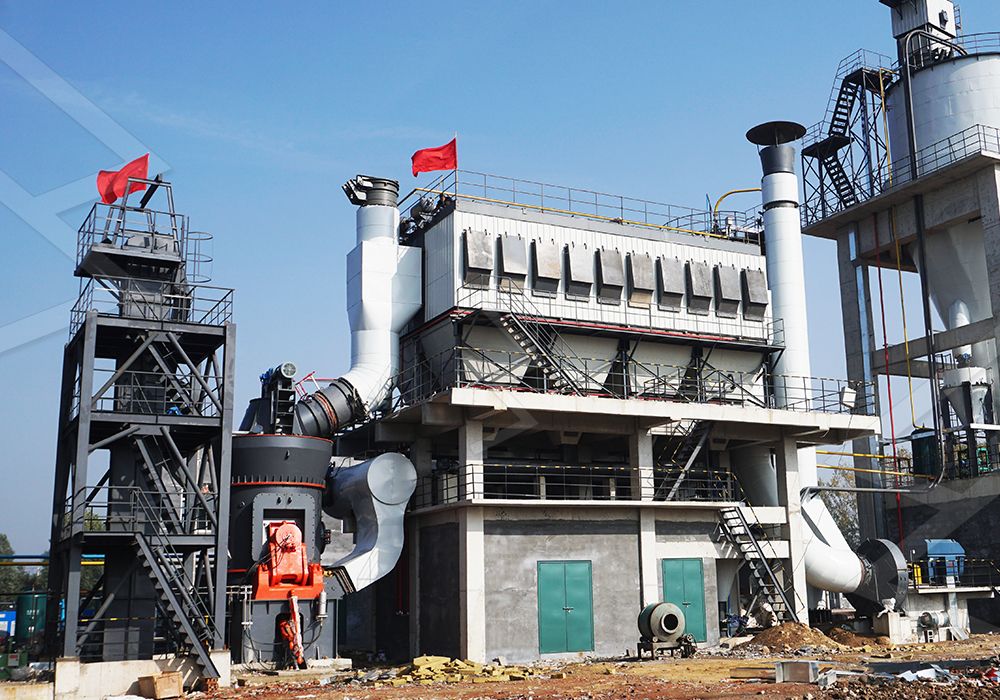
Vertical Roller Mills (VRMs) are the workhorses of modern cement production, offering superior grinding efficiency, lower energy consumption, and reduced footprint compared to traditional ball mills. However, their complex mechanical systems demand a disciplined and proactive approach to maintenance to ensure maximum availability, longevity, and consistent product quality. This guide outlines key maintenance and repair strategies to keep your VRM operating at peak performance.
Routine Maintenance: The First Line of Defense
A robust preventive maintenance schedule is non-negotiable. Daily visual inspections should check for oil leaks, unusual vibrations, and abnormal noises. Lubrication is the lifeblood of the mill; adhere strictly to the manufacturer’s guidelines for greasing bearings, gears, and the hydraulic system. Weekly checks should include monitoring the condition of the roller and table liners for wear, inspecting the seals for integrity, and verifying the alignment of the drive train. A monthly deep dive should involve checking hydraulic accumulator pressures, inspecting nozzle rings for blockages, and calibrating instrumentation.
Key Wear Parts and Overhaul Planning
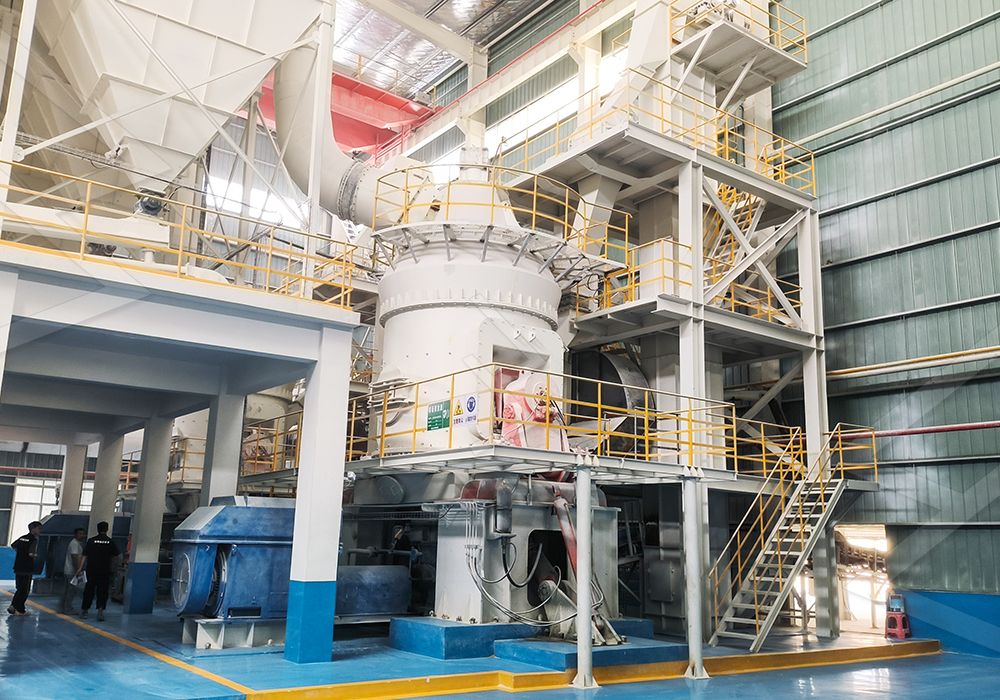
The grinding elements—rollers and the table liner—are the primary wear parts. Their lifespan depends on the material abrasiveness but typically ranges from 6,000 to 10,000 hours. Monitor wear patterns and plan replacements during scheduled shutdowns to avoid unplanned downtime. The dam ring height is critical for maintaining a stable grinding bed; ensure it is within specified tolerances. Other components like the separator blades, guide vanes, and the gas distribution plate also require periodic inspection and replacement.
Advanced Monitoring for Predictive Maintenance
Move beyond reactive repairs by implementing predictive maintenance technologies. Vibration analysis can detect imbalances and bearing failures long before they cause catastrophic damage. Thermography can identify hot spots in the gearbox and motor, indicating lubrication issues or misalignment. Regularly analyzing lubricating oil can reveal the presence of wear metals, providing an early warning of internal component degradation. These tools allow you to schedule interventions based on actual equipment condition, optimizing maintenance costs and reliability.
Enhancing Performance with Superior Technology
For operations requiring ultra-fine powders beyond the typical scope of standard VRMs, such as for high-performance concrete additives, consider integrating specialized technology. Our MW Ultrafine Grinding Mill is an ideal solution, designed to produce powders between 325-2500 meshes. It features a unique cage-type powder selector for precise classification and a design free of rolling bearings and screws in the grinding chamber, eliminating common failure points. With a capacity of 0.5-25 tph and significantly lower energy consumption compared to jet mills, it provides a reliable, eco-friendly option for producing premium-value products.
Troubleshooting Common VRM Issues
Vibration: Often caused by an unstable grinding bed, uneven roller wear, or material spillage. Check feed consistency, dam ring height, and roller and table profiles.
High Power Consumption: Can result from excessively high grinding pressure, poor feed size distribution, or worn-out classifier components.
Poor Product Fineness: Usually linked to issues with the classifier. Inspect rotor speed, vane settings, and for any wear or damage on the blades.
Frequently Asked Questions (FAQ)
How often should the grinding rollers be replaced?
Replacement intervals vary based on material abrasiveness and operating hours. Typically, rollers need refurbishing or replacement after 6,000 to 10,000 hours. Regular measurement of wear is crucial for planning.
What is the most critical daily check for a VRM?
Lubrication levels and system pressure are paramount. A failure in lubrication can lead to rapid and catastrophic damage to the grinding rollers, thrust bearings, and the gearbox.
Can VRMs be used for grinding very hard ores?
Yes, but it accelerates wear on grinding components. It requires more frequent inspections and a robust stock of wear parts. The hydraulic system must be meticulously maintained to provide the necessary grinding pressure.
What are the signs of a failing gearbox?
Key indicators include a sustained rise in oil temperature, increased vibration and noise levels, and the presence of metallic particles in the oil analysis report.