
Top Slag Vertical Mill Powder Manufacturers for Industrial Applications
We provide a wide range of mills — including Raymond mill, trapezoidal mill, vertical mill, ultrafine mill, and ball mill, obtained ISO9001 international quality certification, EU CE certification, and Customs Union CU-TR certification. Suitable for processing minerals such as limestone, phosphate, quicklime, kaolin, talc, barite, bentonite, calcium carbonate, dolomite, coal, gypsum, clay, carbon black, slag, cement raw materials, cement clinker, and more.
The discharge range of these mills can be adjusted to meet specific processing needs, typically from 80-400 mesh, 600-3250 mesh, and can achieve the finest particle size of up to 6000 mesh(D50).
If you are looking for a reliable grinding solution to turn stone or minerals into fine powder, please feel free to contact our online customer service.
Advancing Industrial Efficiency with Vertical Grinding Technology
The demand for high-quality fine powders in industrial applications has never been greater. From construction materials to chemical additives, the need for efficient, reliable, and environmentally responsible grinding solutions is paramount. Vertical grinding mills have emerged as the technology of choice for processing various materials, including slag, into fine powders with superior consistency and efficiency.
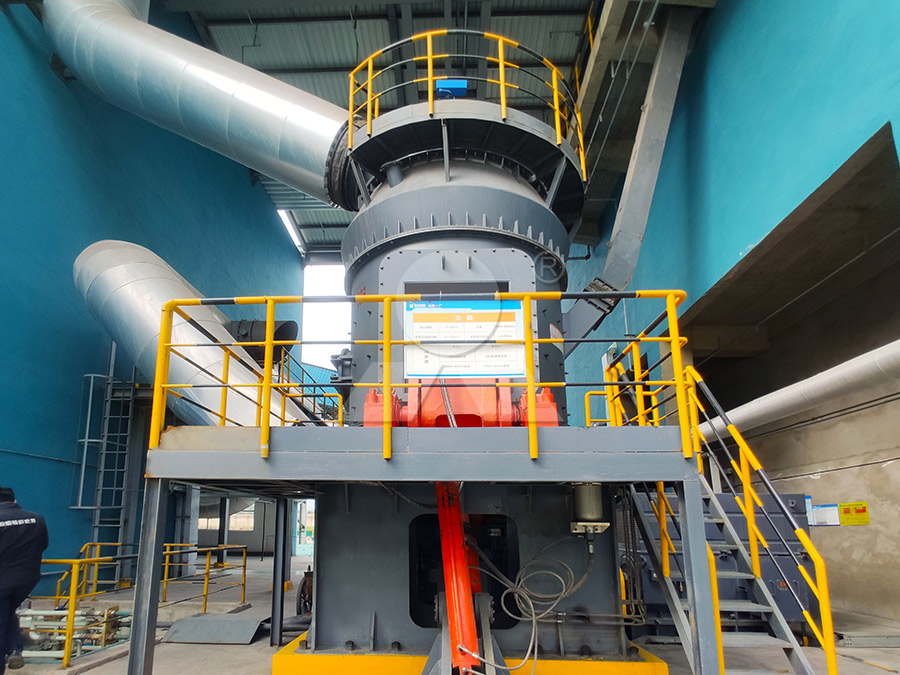
Among the leading innovations in this field, the LM Vertical Slag Mill stands out for its exceptional performance in grinding industrial waste into valuable powder. This mill integrates drying, grinding, powder selection, and conveying into a single, compact system, reducing the covered area by approximately 50% compared to traditional ball milling systems. More importantly, it achieves energy savings of 30% to 40%, making it both an economically and environmentally smart choice for industries focused on sustainability.
Key Features of Modern Vertical Slag Mills
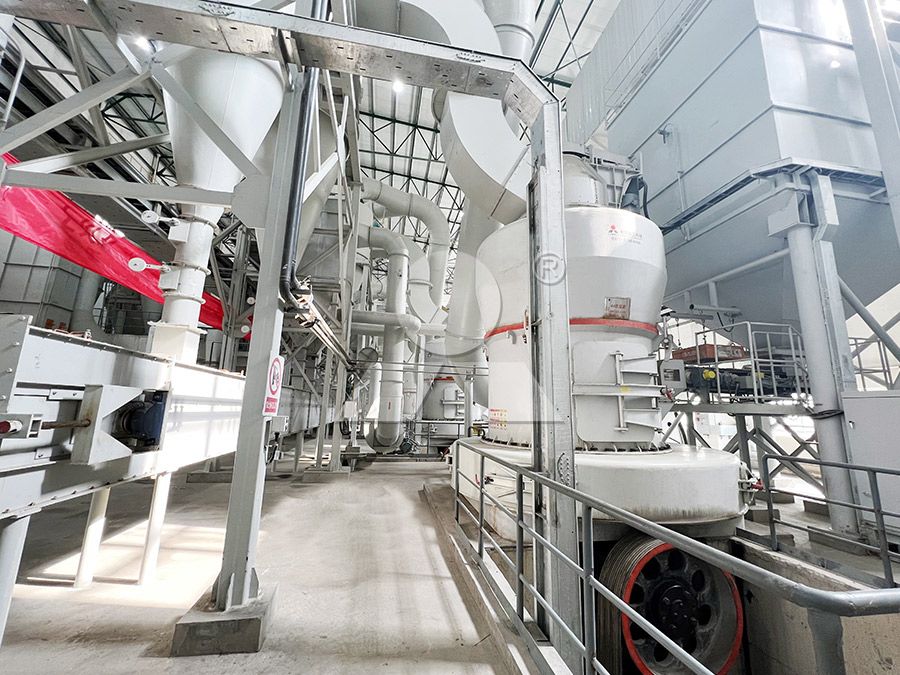
Modern vertical mills are designed with several advanced features that enhance their operational efficiency and reliability. The absence of rolling bearings and screws in the grinding chamber, as seen in models like the MW Ultrafine Grinding Mill, eliminates concerns about bearing damage or loose screws causing machine failure. Additionally, external lubrication systems allow for maintenance without shutdowns, supporting continuous 24/7 production cycles.
Another critical advancement is the use of pulse dust collectors and mufflers, which significantly reduce dust and noise pollution. This ensures that the entire production process complies with national environmental protection standards, providing a cleaner and safer working environment.
Applications Across Industries
Vertical grinding mills are versatile machines capable of processing a wide range of materials. Common applications include:
- Construction: Grinding slag for use in cement and concrete production.
- Metallurgy: Processing steel slag and other industrial by-products.
- Chemicals: Producing fine powders for use in paints, cosmetics, and pharmaceuticals.
- Power Generation: Pulverizing coal for fuel and desulfurization processes.
The ability to handle diverse materials with consistent fineness and high efficiency makes vertical mills indispensable in these sectors.
Why Choose LIMING Vertical Mills?
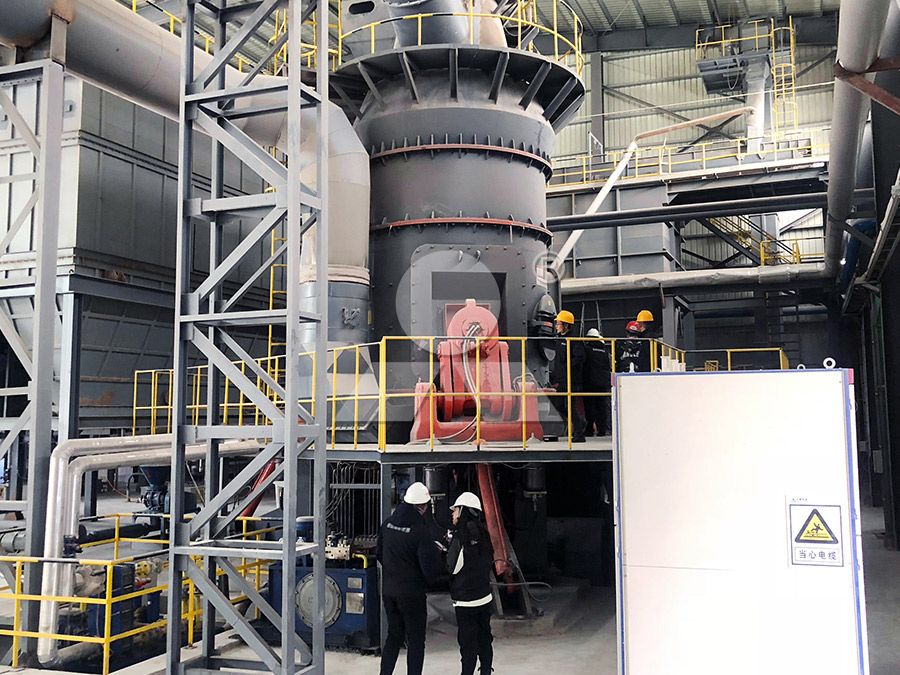
LIMING Heavy Industry has established itself as a top manufacturer of vertical grinding mills, offering robust and innovative solutions tailored to industrial needs. Our LUM Ultrafine Vertical Grinding Mill is another exemplary product, featuring advanced grinding roller technology and German powder separating capabilities. It is designed for higher yield rates and better product quality, with energy consumption reduced by 30% to 50% compared to conventional mills.
Both the LM Vertical Slag Mill and LUM Ultrafine Vertical Grinding Mill are backed by comprehensive technical support and a reliable supply of original spare parts, ensuring worry-free operation and minimal downtime.
Frequently Asked Questions
What is the typical input size for a vertical slag mill?
Vertical slag mills like the LM model can handle input sizes ranging from 38-65mm, depending on the specific application and material characteristics.
How does a vertical mill achieve energy savings?
Vertical mills integrate multiple processes (drying, grinding, powder selection) into one system, reducing energy loss. Additionally, advanced grinding curves and efficient powder separators minimize power consumption.
Can vertical mills handle materials other than slag?
Yes. Vertical mills are versatile and can process limestone, calcite, dolomite, coal, gypsum, and various other non-metallic minerals.
What maintenance is required for vertical grinding mills?
Maintenance is simplified through features like external lubrication and reversible structures. Regular checks of grinding rollers and liners are recommended, but downtime is minimized due to easy access and replaceable parts.
Are these mills environmentally friendly?
Absolutely. With pulse dust collectors, mufflers, and closed-system operations, vertical mills produce minimal dust and noise, adhering to strict environmental standards.