
Comparison of Ball Mill vs Roller Press for Industrial Grinding Applications
We provide a wide range of mills — including Raymond mill, trapezoidal mill, vertical mill, ultrafine mill, and ball mill, obtained ISO9001 international quality certification, EU CE certification, and Customs Union CU-TR certification. Suitable for processing minerals such as limestone, phosphate, quicklime, kaolin, talc, barite, bentonite, calcium carbonate, dolomite, coal, gypsum, clay, carbon black, slag, cement raw materials, cement clinker, and more.
The discharge range of these mills can be adjusted to meet specific processing needs, typically from 80-400 mesh, 600-3250 mesh, and can achieve the finest particle size of up to 6000 mesh(D50).
If you are looking for a reliable grinding solution to turn stone or minerals into fine powder, please feel free to contact our online customer service.
Introduction
Selecting the optimal grinding equipment is a critical decision for industrial operations, impacting efficiency, energy consumption, and final product quality. Two of the most common technologies are the traditional Ball Mill and the more modern Roller Press. This article provides a professional comparison to guide your selection process.
Key Technological Differences
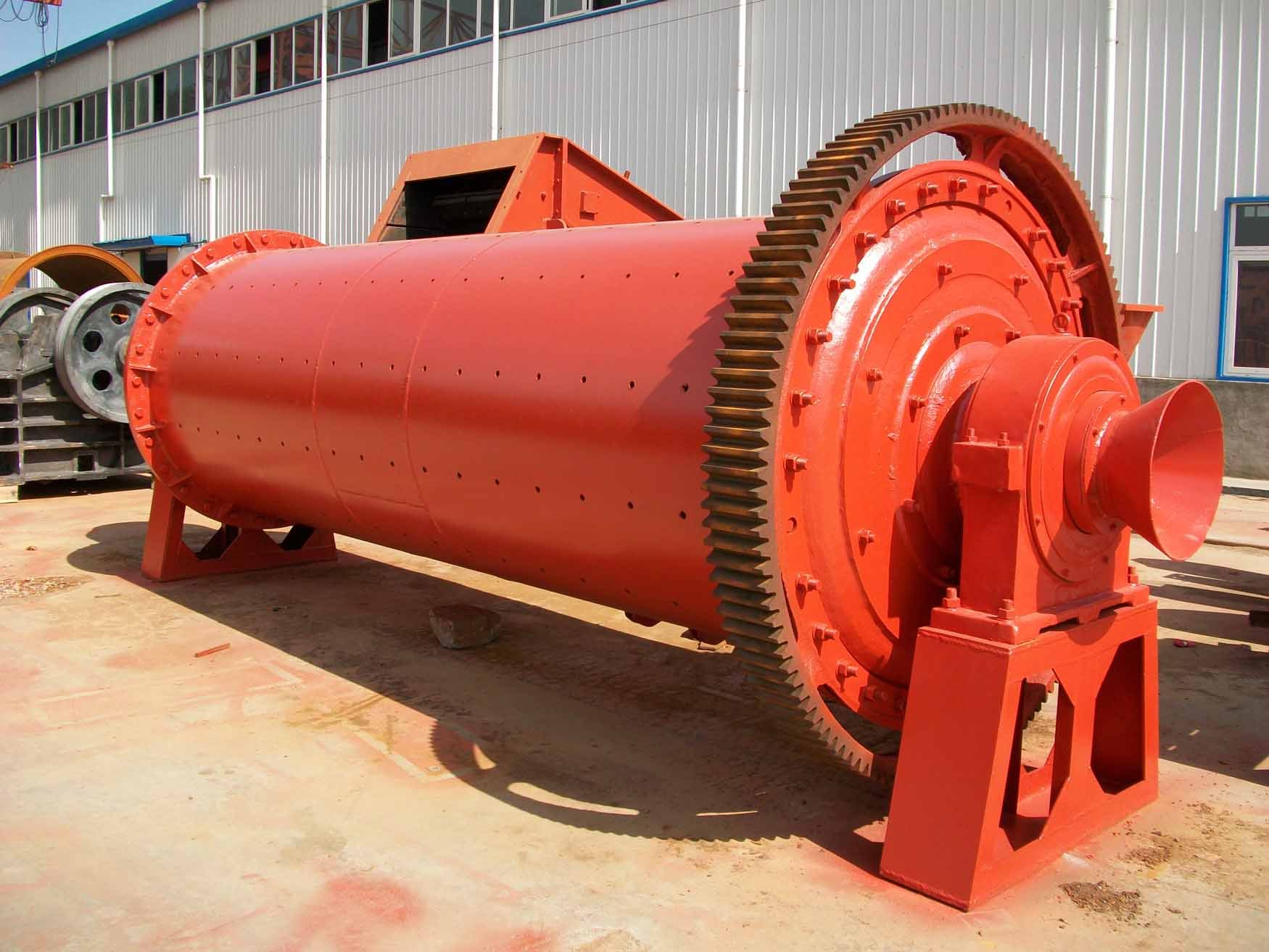
The fundamental difference lies in the comminution principle. A Ball Mill is a rotating cylinder filled with grinding media (steel balls) that tumble and impact the material, resulting in a combination of impact and abrasion forces. In contrast, a Roller Press utilizes two counter-rotating rollers that apply extreme pressure to a bed of material, achieving size reduction primarily through compression.
Ball Mill Characteristics
- Mechanism: Impact and abrasion from tumbling media.
- Particle Shape: Tends to produce more rounded particles.
- Flexibility: Highly versatile for a wide range of materials.
- System Complexity: Often requires an external classification system for closed-circuit operation.
Roller Press Characteristics
- Mechanism: High-pressure inter-particle compression.
- Energy Efficiency: Generally 20-50% more efficient than ball mills for specific duties.
- Particle Shape: Produces more flaky or angular particles.
- System Design: Often used in hybrid systems with a ball mill or as a stand-alone unit.
Operational and Economic Considerations
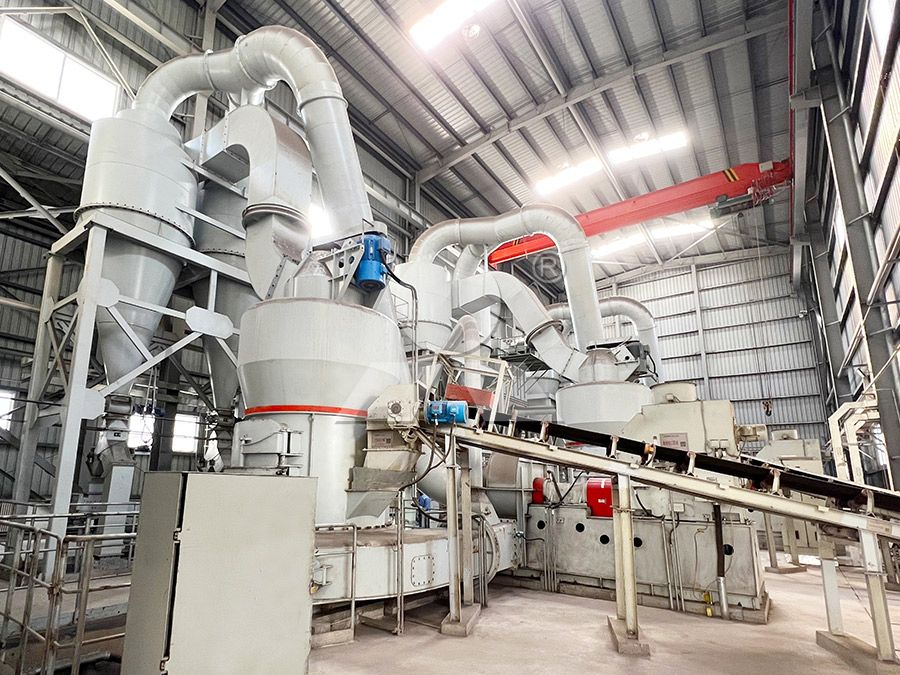
When comparing total cost of ownership, energy consumption is the most significant factor. Roller Press technology offers substantial savings in power consumption, a major operational expense. However, Ball Mills have lower initial capital costs and a long, proven track record across industries. Maintenance profiles also differ; roller presses require precise alignment and have specific roller wear patterns, while ball mills involve media consumption and liner replacement.
A Modern Alternative: MW Ultrafine Grinding Mill
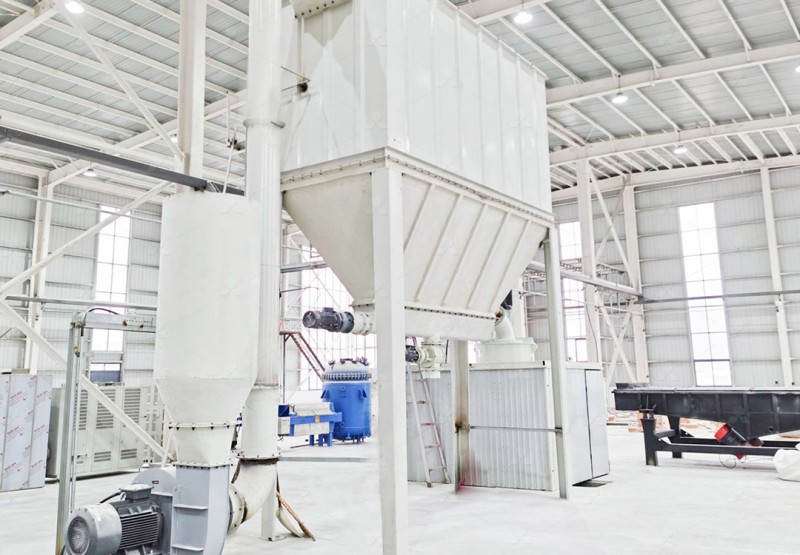
For operations requiring ultra-fine powders, neither a standard ball mill nor a roller press may be the optimal solution. For these demanding applications, we highly recommend our MW Ultrafine Grinding Mill. Engineered for customers who need to make ultra-fine powder between 325-2500 meshes, the MW Mill delivers higher yielding at lower energy consumption. Its unique design, featuring a cage-type powder selector and the absence of rolling bearings in the grinding chamber, ensures precision, reliability, and minimal maintenance. It is perfectly suited for materials like limestone, calcite, dolomite, and talc, making it an superior choice for the chemical, paint, and cosmetics industries.
Conclusion
The choice between a Ball Mill and a Roller Press is not universal. It depends on the specific material, required product fineness, capacity, and economic parameters like energy cost and capital availability. For coarse to medium grinding, a Roller Press offers superior energy efficiency, while Ball Mills provide unmatched flexibility. For ultra-fine grinding applications, advanced solutions like our MW Ultrafine Grinding Mill provide a more efficient and effective path forward.
Frequently Asked Questions (FAQ)
Q1: Which system has a smaller footprint, a Ball Mill or a Roller Press?
A: A Roller Press system is generally more compact than a Ball Mill circuit of equivalent capacity, often requiring less space for installation.
Q2: Can a Roller Press handle moist materials?
A: Roller Presses can handle materials with some moisture, but very high moisture content can lead to feeding issues and roll slippage. Often, a dryer is integrated into the system if necessary.
Q3: Is the product from a Roller Press suitable for all applications?
A: The compressed flakes produced by a Roller Press may require subsequent processing (e.g., in a ball mill) to achieve a rounded particle shape needed for certain applications, like in concrete.
Q4: For producing very fine powders, what is the best option?
A: Traditional technologies reach diminishing returns at very fine sizes. For ultra-fine powder production (e.g., d97 ≤ 5μm), specialized mills like our MW Ultrafine Grinding Mill or the LUM Ultrafine Vertical Grinding Mill are designed for higher efficiency and precise particle size control in this range.