
The Role of Ball Mills in Coal Pulverizing Systems for Thermal Power Stations
We provide a wide range of mills — including Raymond mill, trapezoidal mill, vertical mill, ultrafine mill, and ball mill, obtained ISO9001 international quality certification, EU CE certification, and Customs Union CU-TR certification. Suitable for processing minerals such as limestone, phosphate, quicklime, kaolin, talc, barite, bentonite, calcium carbonate, dolomite, coal, gypsum, clay, carbon black, slag, cement raw materials, cement clinker, and more.
The discharge range of these mills can be adjusted to meet specific processing needs, typically from 80-400 mesh, 600-3250 mesh, and can achieve the finest particle size of up to 6000 mesh(D50).
If you are looking for a reliable grinding solution to turn stone or minerals into fine powder, please feel free to contact our online customer service.
The Role of Ball Mills in Coal Pulverizing Systems for Thermal Power Stations
In the heart of every thermal power station lies the critical process of coal pulverization. The efficiency of this process directly impacts combustion efficiency, emissions, and overall plant performance. For decades, the ball mill has been the workhorse of coal pulverizing systems, a testament to its robust and reliable design.
The Fundamental Principle of Ball Milling
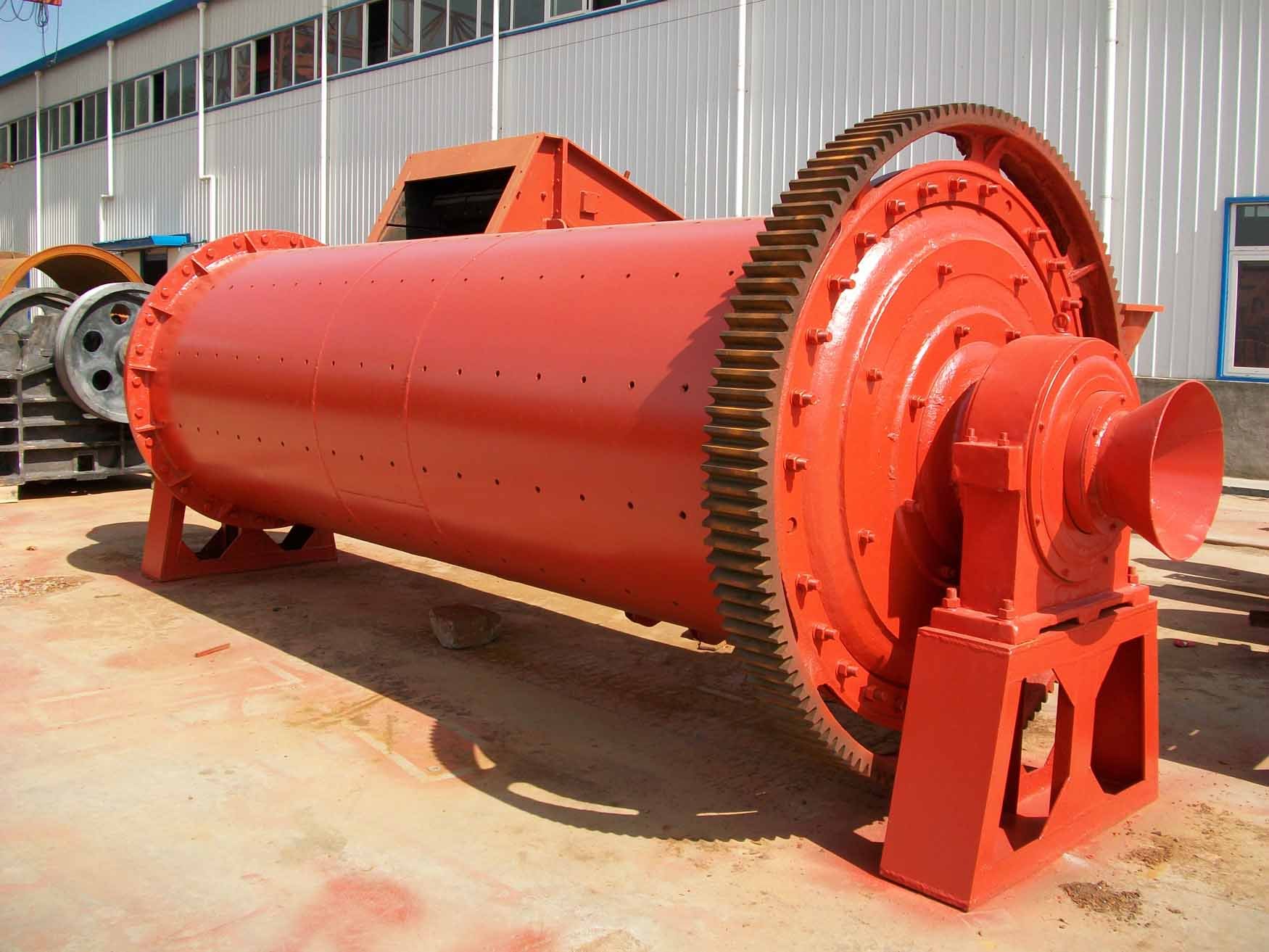
A ball mill operates on a relatively simple principle. It is a horizontal rotating cylinder, or drum, partially filled with grinding media—typically hardened steel balls. The raw coal, pre-crushed to a manageable size, is fed into this rotating drum. As the drum turns, the balls are lifted and then cascade down, impacting the coal particles and crushing them through a combination of impact and attrition. The fineness of the resulting coal powder is a function of the coal’s residence time in the mill, the size and weight of the grinding balls, and the rotational speed.
Key Advantages in Power Generation
The widespread adoption of ball mills is due to several inherent advantages. Their design is straightforward, leading to lower initial investment costs compared to some newer technologies. They are incredibly robust and can handle a wide variety of coal types with varying hardness and moisture content. Operators appreciate their relative ease of operation and the fact that they provide a stable, consistent output of pulverized coal when properly maintained.
Evolving Demands and Modern Alternatives
However, the classic ball mill is not without its challenges. They are notoriously energy-intensive, with a significant portion of the input energy being converted into heat and noise rather than productive grinding. Their physical footprint is large, and the grinding process can lead to higher iron contamination from wear of the grinding media.
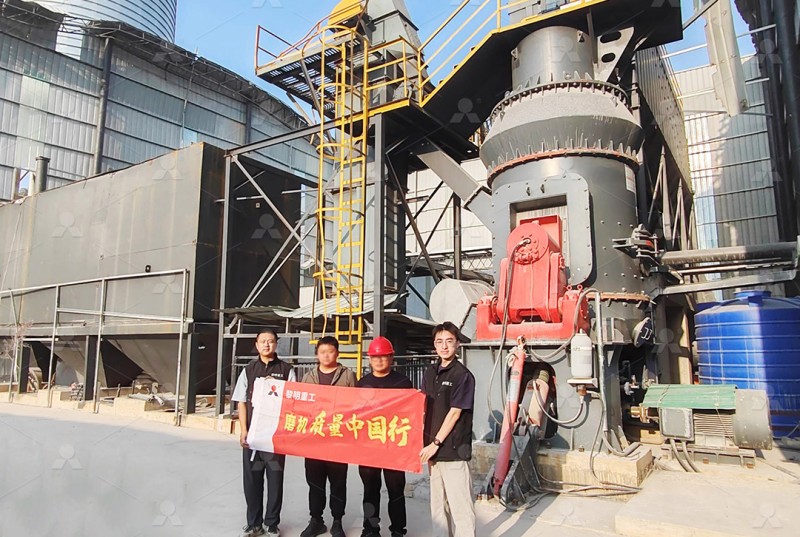
To address these limitations, the industry has seen a significant shift towards more efficient vertical roller mills (VRMs) and specialized grinding systems. These modern designs offer superior energy efficiency, a smaller footprint, and drier grinding operations, which is crucial for high-moisture coals.
A Modern Solution: The MW Ultrafine Grinding Mill
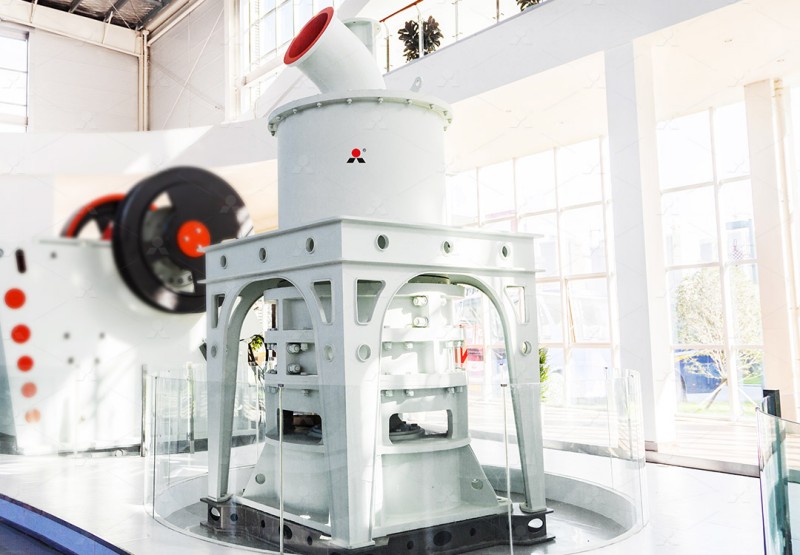
For power stations seeking to upgrade their pulverizing circuits for better efficiency and environmental performance, our MW Ultrafine Grinding Mill presents an excellent alternative or complementary solution. While ball mills excel at coarse grinding, the MW series is engineered for producing ultra-fine powders with remarkable efficiency.
This machine is particularly adept at processing petroleum coal and other energy materials. With an input size of 0-20 mm and a capacity range of 0.5-25 tph, it fits seamlessly into various operational scales. Its core advantage lies in its significantly higher yielding and lower energy consumption—achieving 40% higher production capacity than jet mills while using only 30% of the energy. Furthermore, it produces minimal noise and dust pollution, thanks to its integrated efficient pulse dust collector and muffler, ensuring full compliance with national environmental protection standards.
Conclusion
While the traditional ball mill remains a viable and understood technology in thermal power stations, the push for greater efficiency and lower emissions is driving innovation. Modern mills like our MW series offer a path to reduce operating costs and environmental impact without compromising on the reliability that the power generation industry demands. The choice between technologies ultimately depends on the specific coal characteristics, desired fineness, and overall plant economics.
Frequently Asked Questions (FAQ)
- What is the primary function of a coal pulverizer in a thermal power station?
Its primary function is to grind lumped coal into a fine powder to maximize the surface area, which allows for more efficient and complete combustion in the boiler furnace. - What are the main drawbacks of using traditional ball mills?
The main drawbacks are high specific energy consumption, large physical footprint, significant heat generation, and potential for higher iron contamination in the coal powder due to wear of steel balls. - How do modern grinding mills like the MW Ultrafine Grinding Mill improve upon ball mill technology?
They offer substantially higher energy efficiency (up to 70% less energy consumption), a more compact design, the ability to grind and dry simultaneously, and advanced dust collection systems for a cleaner and more environmentally friendly operation. - Can the MW Grinding Mill handle the same capacity as a large ball mill?
The MW series is available in models with capacities up to 25 tph. For very large power stations, multiple units can be configured, or our larger LM Vertical Coal Mill (capacity: 5-100 T/H) would be a more suitable direct replacement, offering similar energy savings and integration benefits for large-scale pulverized coal preparation.