
Air Classifier Mill for Sale in Indonesia – High Efficiency Grinding Solutions
We provide a wide range of mills — including Raymond mill, trapezoidal mill, vertical mill, ultrafine mill, and ball mill, obtained ISO9001 international quality certification, EU CE certification, and Customs Union CU-TR certification. Suitable for processing minerals such as limestone, phosphate, quicklime, kaolin, talc, barite, bentonite, calcium carbonate, dolomite, coal, gypsum, clay, carbon black, slag, cement raw materials, cement clinker, and more.
The discharge range of these mills can be adjusted to meet specific processing needs, typically from 80-400 mesh, 600-3250 mesh, and can achieve the finest particle size of up to 6000 mesh(D50).
If you are looking for a reliable grinding solution to turn stone or minerals into fine powder, please feel free to contact our online customer service.
Unlocking Superior Powder Processing for Indonesian Industries
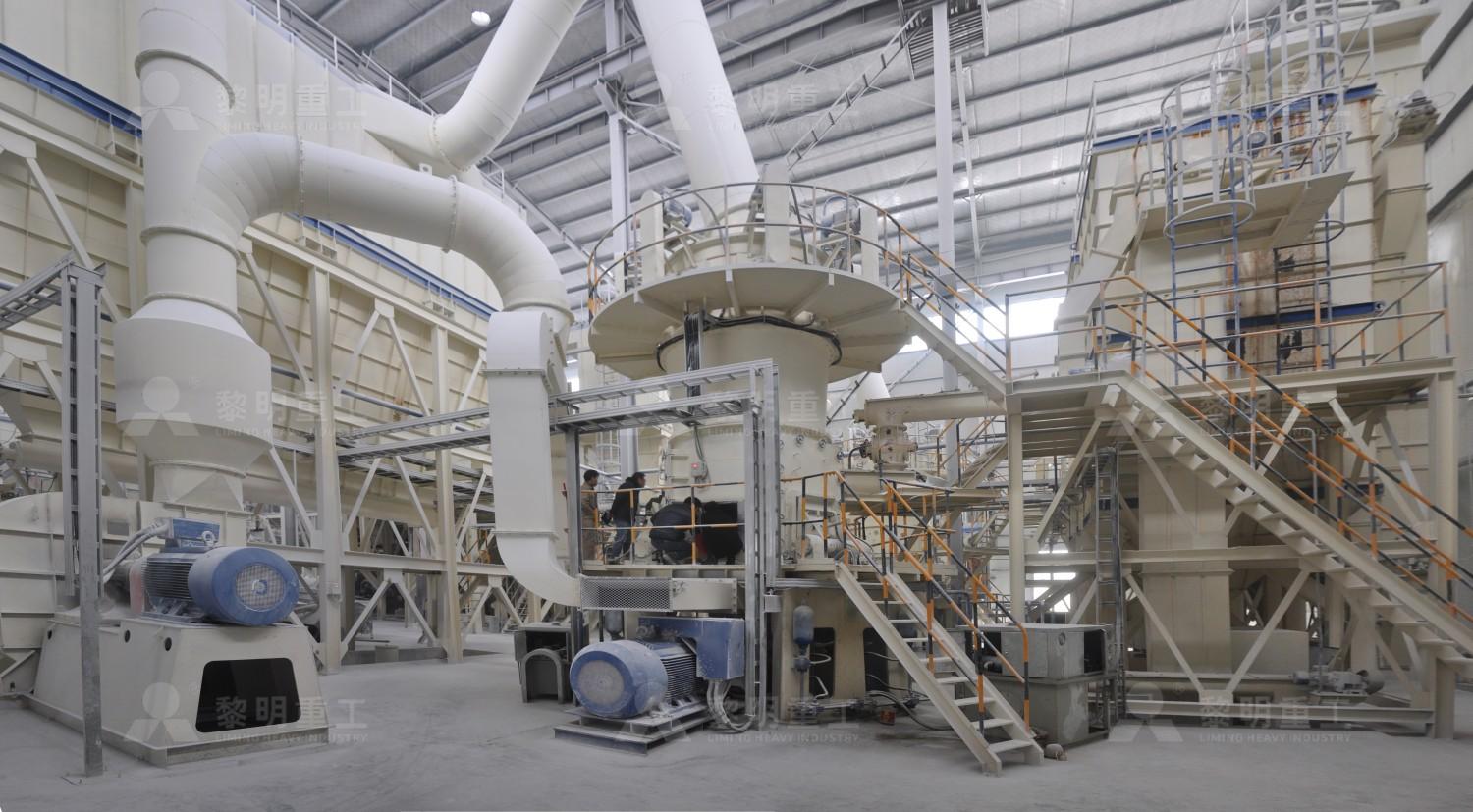
Indonesia’s rapidly expanding industrial sector, spanning from mining and construction to chemicals and food production, demands advanced and reliable grinding solutions. The quest for ultra-fine powders with precise particle size distribution is critical for enhancing product quality and operational efficiency. This is where the advanced technology of Air Classifier Mills becomes indispensable. These systems integrate grinding and classifying in a single unit, offering unparalleled control over the final product’s fineness, which is essential for high-value applications.
Why Choose an Air Classifier Mill?
Traditional grinding methods often fall short in achieving the consistent fine powders required by modern industries. Air Classifier Mills address this by using a dynamic air classifier to separate particles immediately after size reduction. This continuous process ensures that only particles meeting the specified size exit the mill, while oversize material is recirculated for further grinding. The result is a highly efficient operation with superior product quality, lower energy consumption per ton of output, and minimal heat generation—protecting heat-sensitive materials.
For operations in Indonesia, dealing with materials like limestone, calcite, barite, or talc, a mill that offers flexibility, high yield, and environmental compliance is not just an advantage—it’s a necessity. Factors such as humidity and the abrasive nature of some local minerals make equipment durability and efficient drying capabilities crucial.
Tailored Solutions for the Indonesian Market
Selecting the right mill requires careful consideration of your specific material properties, desired capacity, and target fineness. Two standout options from our portfolio, engineered for high performance and reliability, are particularly well-suited for the diverse needs of the Indonesian market.
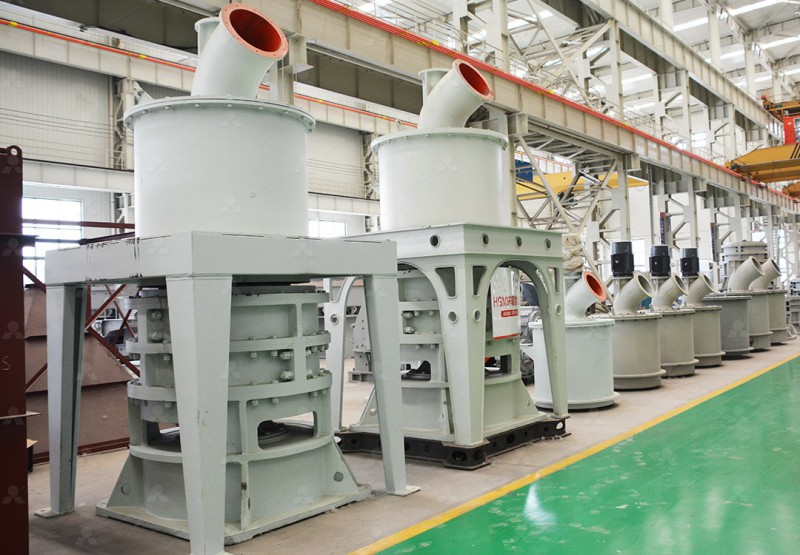
Recommended Solution: MW Ultrafine Grinding Mill
For operations requiring exceptionally fine powders, our MW Ultrafine Grinding Mill is a premier choice. Designed for customers who need to make ultra-fine powder between 325-2500 meshes, this machine excels in efficiency and environmental friendliness.
Key Advantages:
- Higher Yielding, Lower Energy Consumption: Its newly designed grinding curves enhance efficiency, offering 40% higher capacity than jet mills and double the yield of ball mills, while using only 30% of the energy of a jet mill.
- Adjustable Fineness: A German-technology, cage-type powder selector allows precise control over fineness, achieving a screening rate of d97≤5μm in a single pass.
- Reliable Design: With no rolling bearings or screws in the grinding chamber, it eliminates common failure points. External lubrication allows for 24/7 continuous operation.
- Eco-Friendly Operation: An efficient pulse dust collector and muffler system ensure dust-free operation and reduced noise, fully complying with national environmental standards.
With an input size of 0-20 mm and a capacity range of 0.5-25 tph, the MW Mill is perfectly suited for processing a wide array of materials including limestone, calcite, dolomite, gypsum, and talc for industries like chemicals, paints, cosmetics, and food additives.
Another Strong Contender: LUM Ultrafine Vertical Grinding Mill
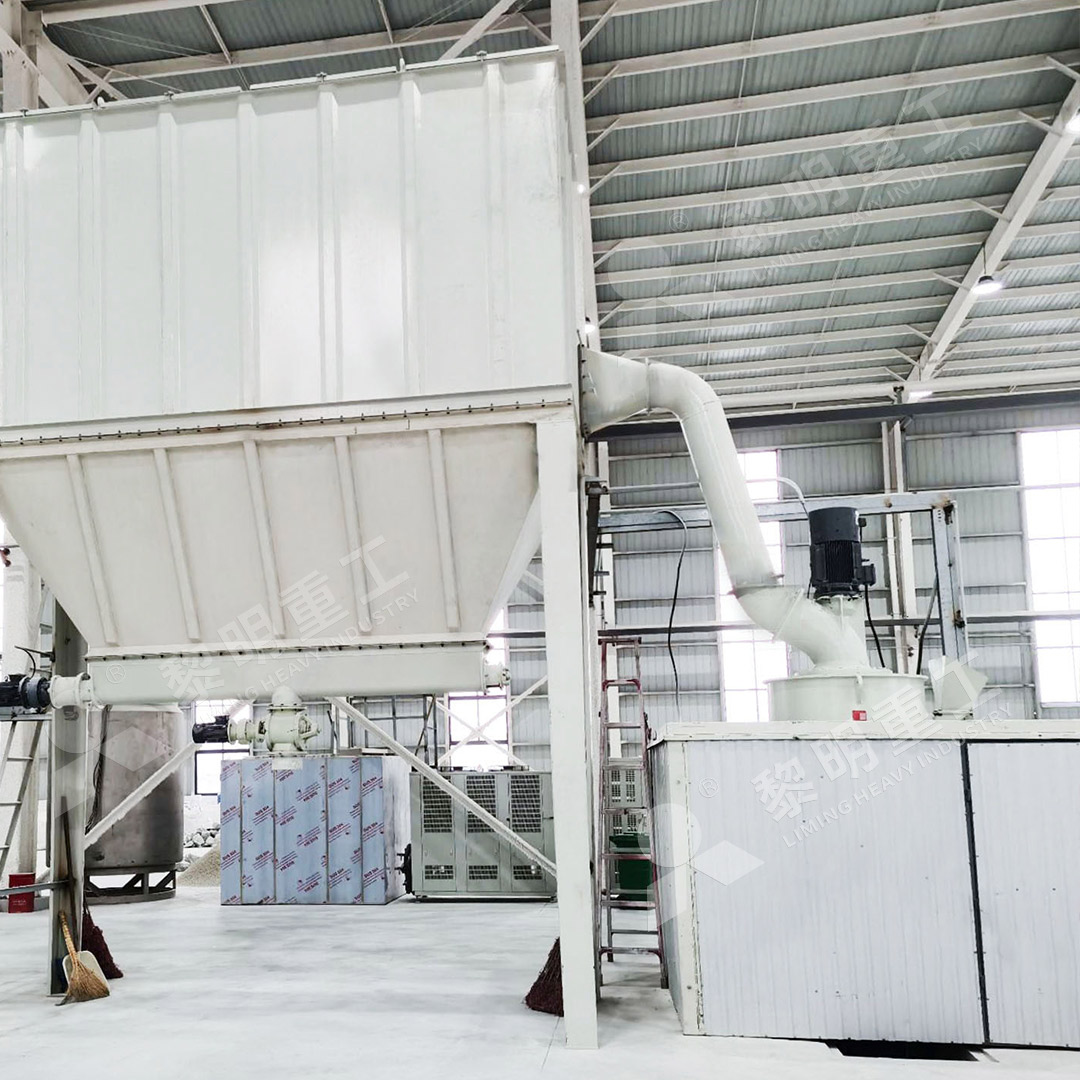
For projects requiring a robust vertical grinding solution, the LUM Ultrafine Vertical Grinding Mill is another excellent option. Integrating the latest grinding roller and powder separating technology, it offers remarkable energy savings of 30%-50% and features a unique reversible structure that simplifies maintenance and reduces downtime.
Frequently Asked Questions (FAQ)
What is the main advantage of an Air Classifier Mill?
The primary advantage is its ability to simultaneously grind and classify materials in a single unit, providing precise control over particle size distribution and ensuring a consistent, high-quality fine powder without over-grinding.
Are these mills suitable for heat-sensitive materials?
Yes, the efficient air-flow in classifier mills acts as a coolant, minimizing heat generation during the grinding process, making them ideal for heat-sensitive materials like certain plastics, chemicals, and food products.
What kind of after-sales support is available in Indonesia?
We provide comprehensive technical support and ensure a sufficient supply of original spare parts to guarantee worry-free operation. Our local team offers installation guidance, operational training, and prompt maintenance services.
Can the MW Mill handle hard and abrasive materials?
Absolutely. The MW Ultrafine Grinding Mill is constructed with wear-resistant materials and a design that avoids critical components in the grinding zone, making it durable enough to handle hard and abrasive materials effectively.
How is the fineness of the final product controlled?
Fineness is precisely controlled by adjusting the speed of the integrated dynamic classifier. This allows operators to easily change the product’s particle size without stopping the mill, offering great flexibility for different product specifications.