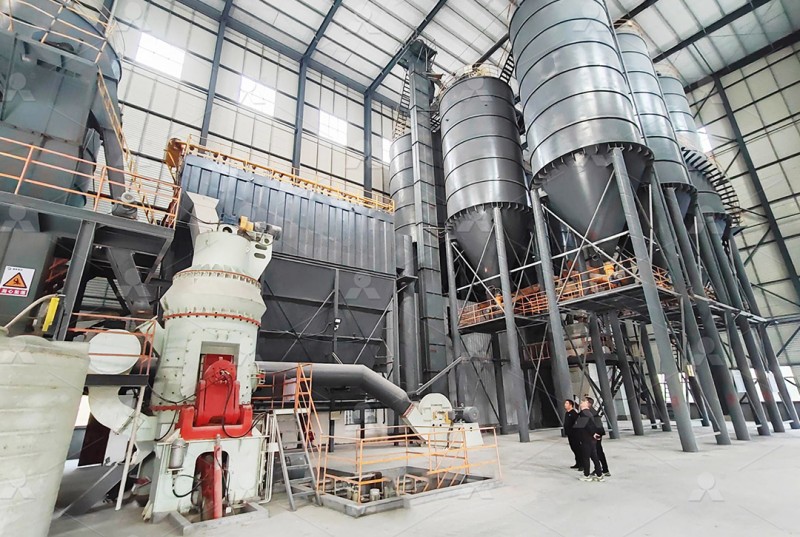
Top 10 Grinding Mill Manufacturers in Rajasthan for Industrial Minerals
We provide a wide range of mills — including Raymond mill, trapezoidal mill, vertical mill, ultrafine mill, and ball mill, obtained ISO9001 international quality certification, EU CE certification, and Customs Union CU-TR certification. Suitable for processing minerals such as limestone, phosphate, quicklime, kaolin, talc, barite, bentonite, calcium carbonate, dolomite, coal, gypsum, clay, carbon black, slag, cement raw materials, cement clinker, and more.
The discharge range of these mills can be adjusted to meet specific processing needs, typically from 80-400 mesh, 600-3250 mesh, and can achieve the finest particle size of up to 6000 mesh(D50).
If you are looking for a reliable grinding solution to turn stone or minerals into fine powder, please feel free to contact our online customer service.
Navigating the Grinding Mill Landscape in Rajasthan
Rajasthan, a mineral-rich state in India, is a significant hub for industries processing industrial minerals like limestone, calcite, barite, and gypsum. The efficiency of these operations heavily relies on the performance of their grinding equipment. Selecting the right manufacturer and the right mill technology is paramount for achieving desired fineness, throughput, and operational cost-effectiveness. This article explores the key players and technologies shaping this vital sector.
The market features a mix of large multinational corporations, established Indian engineering firms, and specialized local manufacturers. These companies cater to a diverse range of applications, from large-scale cement production to specialized ultra-fine powder processing for paints, cosmetics, and pharmaceuticals.
Essential Technology for Modern Mineral Processing
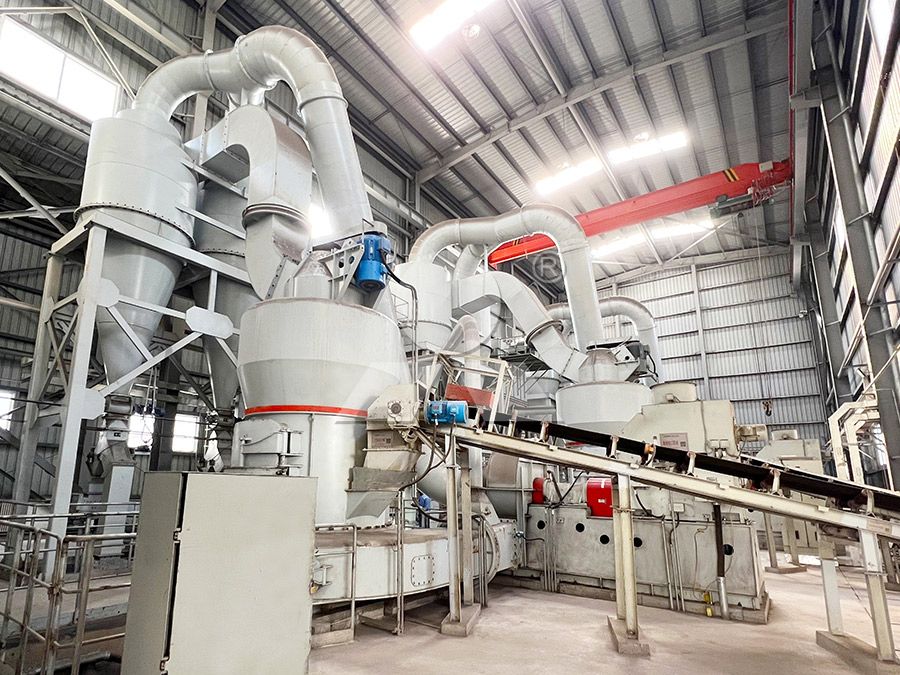
Modern grinding mills have evolved far beyond simple crushing machines. They are integrated systems designed for efficiency, environmental compliance, and precise particle size control. Key technological advancements include efficient powder classification systems, advanced wear-resistant materials, and intelligent automation that allows for remote monitoring and control.
For processors in Rajasthan looking to gain a competitive edge through superior product quality, two standout technologies are worth serious consideration. The MW Ultrafine Grinding Mill is engineered for customers requiring ultra-fine powder between 325-2500 meshes. With an input size of 0-20 mm and a capacity range of 0.5-25 tph, it is exceptionally versatile. Its design eliminates rolling bearings and screws in the grinding chamber, drastically reducing maintenance worries and the risk of machine damage from loose parts. Equipped with an efficient pulse dust collector and muffler, it operates with minimal environmental impact, making it an ideal choice for producing powders for chemicals, paints, and cosmetics.
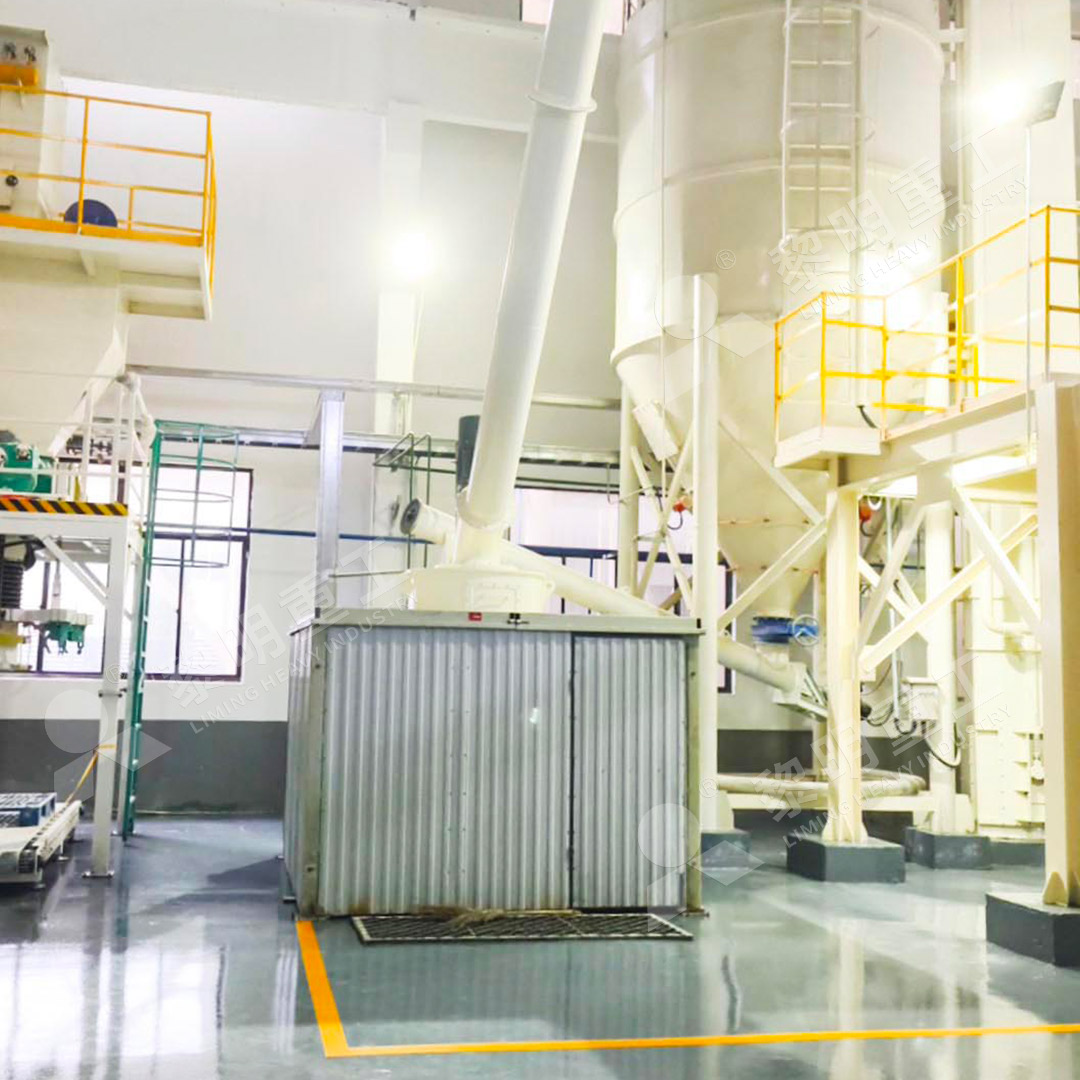
Another excellent solution for high-precision grinding is the LUM Ultrafine Vertical Grinding Mill. This mill integrates grinding, grading, and transporting into a single, compact unit. It boasts a higher yielding rate and better product quality due to its unique roller shell and lining plate grinding curve. With a capacity of 5-18 tph and handling material up to 10 mm, its PLC control system and multi-head powder separating technology enable precise control over the grinding process, reducing energy consumption by 30%-50% compared to conventional mills.
Choosing the Right Partner
Beyond the specifications sheet, choosing a manufacturer involves assessing their after-sales support, availability of genuine spare parts, and technical service capabilities. A manufacturer with a strong presence in Rajasthan can provide faster response times and more tailored support for local operating conditions, including dealing with the region’s specific mineral characteristics and climate.
Frequently Asked Questions (FAQ)
What are the key factors when selecting a grinding mill in Rajasthan?
The key factors are the hardness and abrasiveness of the mineral, the required product fineness (mesh size), desired capacity (tph), available space, energy consumption targets, and the total cost of ownership, which includes maintenance and spare parts.
Why consider an ultrafine grinding mill like the MW or LUM series?
If your application requires very fine powders (e.g., for high-value industries like pharmaceuticals, advanced ceramics, or specialty chemicals), traditional mills may be inefficient. Ultrafine mills are specifically designed for higher efficiency at these fine sizes, offering better energy utilization and more precise particle size distribution.
How important is after-sales service?
Extremely important. Grinding mills are capital investments that operate in demanding conditions. Reliable, local technical support and guaranteed access to original spare parts are crucial for minimizing downtime and ensuring the long-term productivity and lifespan of your equipment.