
10 Effective Ways to Improve Cement Mill Production Efficiency
We provide a wide range of mills — including Raymond mill, trapezoidal mill, vertical mill, ultrafine mill, and ball mill, obtained ISO9001 international quality certification, EU CE certification, and Customs Union CU-TR certification. Suitable for processing minerals such as limestone, phosphate, quicklime, kaolin, talc, barite, bentonite, calcium carbonate, dolomite, coal, gypsum, clay, carbon black, slag, cement raw materials, cement clinker, and more.
The discharge range of these mills can be adjusted to meet specific processing needs, typically from 80-400 mesh, 600-3250 mesh, and can achieve the finest particle size of up to 6000 mesh(D50).
If you are looking for a reliable grinding solution to turn stone or minerals into fine powder, please feel free to contact our online customer service.
10 Effective Ways to Improve Cement Mill Production Efficiency
In the cement industry, optimizing mill production efficiency is crucial for reducing operational costs and enhancing output quality. Here are 10 proven strategies to achieve higher productivity:
1. Optimize Grinding Media Distribution
Ensure proper loading and size distribution of grinding balls. Overloading or uneven distribution can lead to energy waste and reduced grinding efficiency.
2. Regular Maintenance of Wear Parts
Replace worn-out liners, diaphragms, and grinding media promptly. Delayed maintenance increases power consumption and decreases output quality.
3. Control Feed Material Size
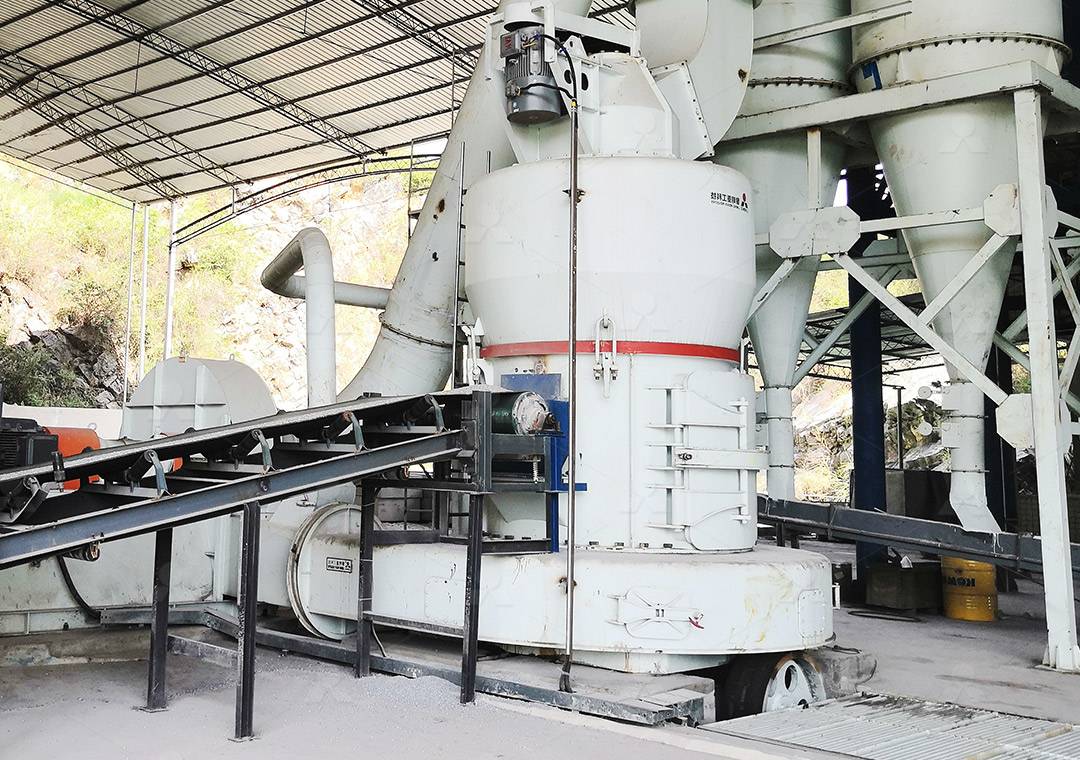
Crush raw materials to optimal size (typically below 25mm) before feeding into the mill. Our MW Ultrafine Grinding Mill handles 0-20mm input perfectly, ensuring smoother operation.
4. Improve Ventilation System
Proper airflow prevents material overgrinding and reduces mill temperature. The MW Ultrafine Grinding Mill’s pulse dust collector maintains ideal ventilation while being eco-friendly.
5. Use High-Efficiency Separators
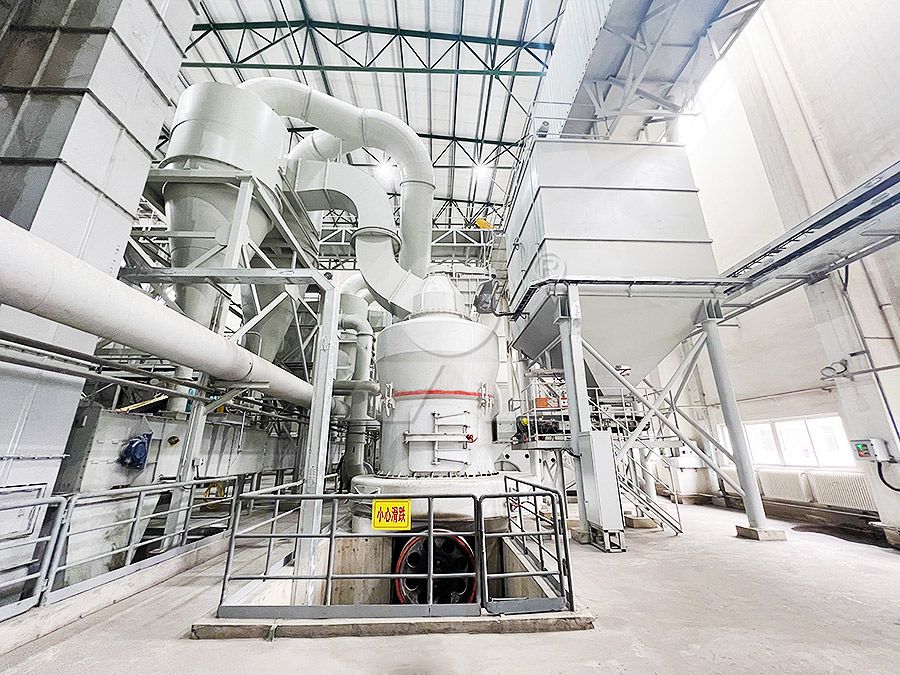
Modern separators like those in our LUM Ultrafine Vertical Grinding Mill (with German powder-separating tech) boost fineness control by 40% compared to conventional systems.
6. Implement Advanced Process Control
Automated systems adjust parameters in real-time. The LUM mill’s PLC control optimizes pressure and speed dynamically.
7. Reduce Moisture Content
Keep material moisture below 1.5%. High moisture causes clogging and increases energy use for drying.
8. Upgrade to Energy-Efficient Mills
Modern mills like our MW series consume 30% less energy than traditional ball mills while offering 40% higher capacity.
9. Monitor Chemical Composition
Adjust raw mix to maintain optimal C3S and C3A levels, which directly affect grindability.
10. Train Operators Regularly
Skilled personnel can detect issues early and optimize mill performance. Our mills feature user-friendly designs for easier operation.
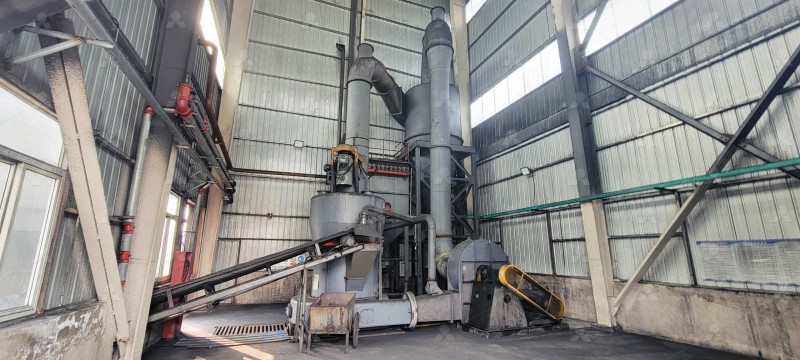
By implementing these strategies and leveraging advanced equipment like LIMING’s MW Ultrafine Grinding Mill (0.5-25 tph capacity) or LUM Vertical Mill (5-18 tph), plants can achieve 20-50% efficiency gains while reducing environmental impact through features like pulse dust collection and noise reduction.