
Approximate Cost of Vanadium-Titanium Slag Crushing Equipment
We provide a wide range of mills — including Raymond mill, trapezoidal mill, vertical mill, ultrafine mill, and ball mill, obtained ISO9001 international quality certification, EU CE certification, and Customs Union CU-TR certification. Suitable for processing minerals such as limestone, phosphate, quicklime, kaolin, talc, barite, bentonite, calcium carbonate, dolomite, coal, gypsum, clay, carbon black, slag, cement raw materials, cement clinker, and more.
The discharge range of these mills can be adjusted to meet specific processing needs, typically from 80-400 mesh, 600-3250 mesh, and can achieve the finest particle size of up to 6000 mesh(D50).
If you are looking for a reliable grinding solution to turn stone or minerals into fine powder, please feel free to contact our online customer service.
Approximate Cost of Vanadium-Titanium Slag Crushing Equipment
Processing vanadium-titanium slag, a challenging and abrasive industrial by-product, requires robust and efficient crushing and grinding equipment. The capital expenditure for such machinery is a significant consideration for any operation, influenced by factors like capacity requirements, desired fineness, energy consumption, and overall system integration. While exact pricing is project-specific, understanding the technological landscape and key cost drivers is essential for informed decision-making.
Vanadium-titanium slag’s hardness and abrasiveness demand mills designed for high wear resistance and reliable, continuous operation. The total investment encompasses not just the primary mill but also ancillary systems for feeding, classifying, and dust collection. Operational costs, primarily energy consumption and maintenance of wear parts, form a substantial part of the lifetime expense. Therefore, selecting equipment that offers higher efficiency and lower downtime can lead to a significantly lower total cost of ownership, even if the initial investment is higher.
Key Equipment Recommendations for Vanadium-Titanium Slag
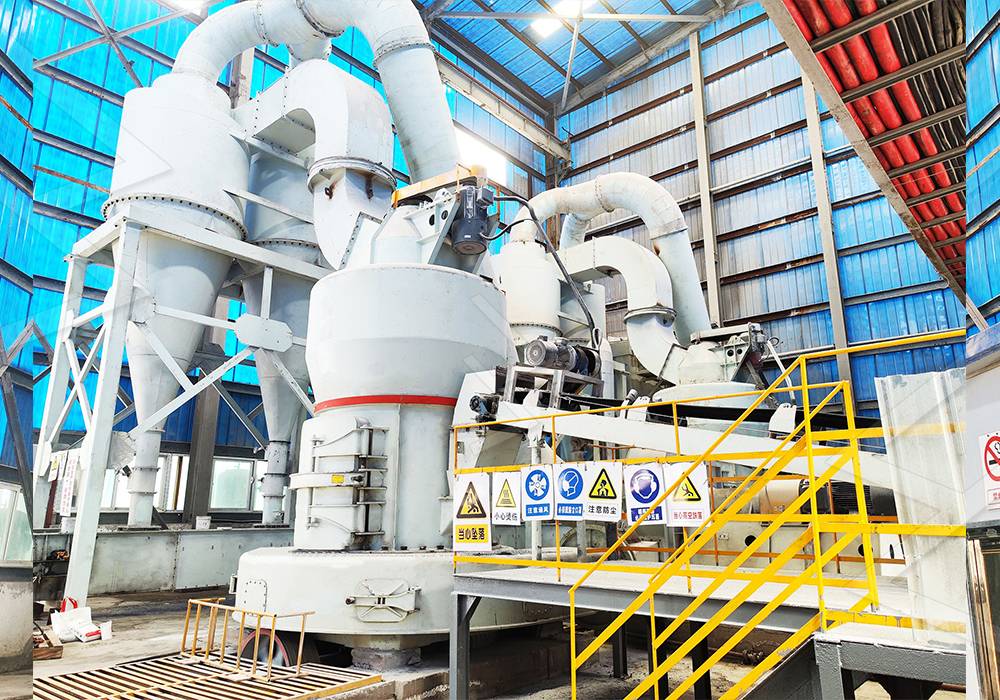
For the ultrafine grinding stage of vanadium-titanium slag, where achieving a precise and consistent fine powder is critical for downstream processing, our MW Ultrafine Grinding Mill presents an optimal solution. This mill is engineered for customers requiring ultra-fine powder between 325-2500 meshes. Its design is particularly suited for hard, abrasive materials. A standout feature is the absence of rolling bearings and screws in the grinding chamber, eliminating common failure points and concerns about damage from loose components. This design drastically reduces maintenance downtime, a crucial factor when processing tough materials like vanadium-titanium slag. Furthermore, its efficient pulse dust collector and muffler ensure the production process meets stringent environmental standards, controlling both dust and noise pollution.
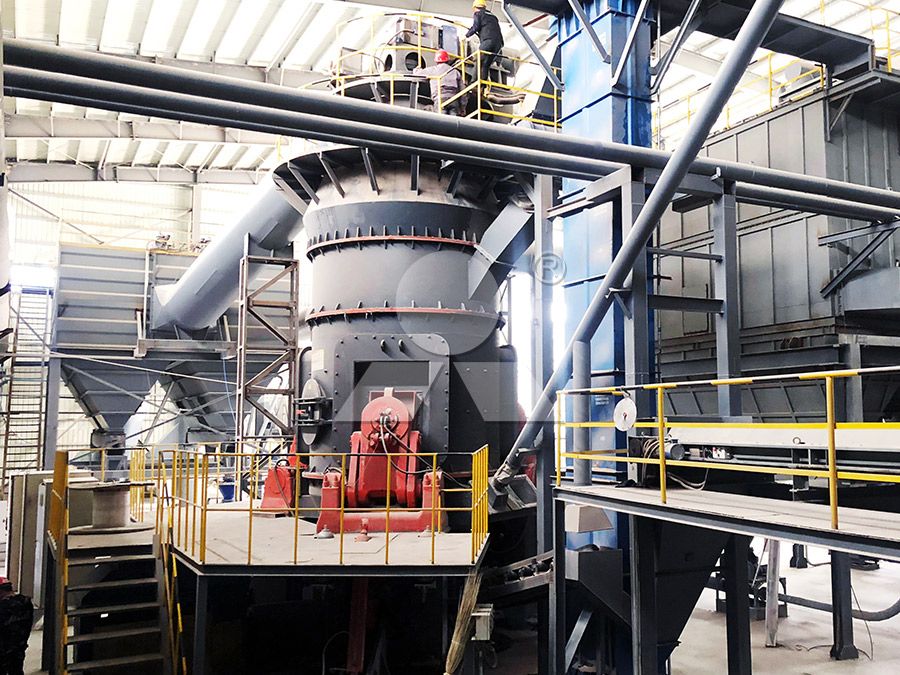
For operations requiring higher capacity or dealing with slightly larger feed sizes, the LM Vertical Grinding Mill is another excellent choice. It integrates crushing, drying, grinding, classifying, and conveying into a single unit, offering a compact footprint that reduces overall plant layout costs. Its grinding roller and millstone do not contact directly, resulting in lower iron contamination—a vital quality aspect for many slag applications—and reduced wear on the grinding elements. The LM mill’s energy consumption is 30%-40% lower than traditional ball mills, translating to substantial operational savings over time.
Factors Influencing Equipment Cost
The approximate cost of equipment is influenced by several variables:
- Capacity (tph): Higher capacity machines command a higher initial price but offer a lower cost per ton of processed material.
- System Configuration: A full system with feeders, elevators, classifiers, and dust collectors will cost more than a standalone mill.
- Material of Construction: The use of specialized, wear-resistant alloys for grinding rollers, rings, and liners to handle abrasive slag increases the unit cost but is necessary for longevity.
- Automation Level: Mills equipped with advanced PLC control systems for automated operation and optimization are priced higher but improve consistency and reduce labor costs.
Frequently Asked Questions (FAQ)
What is the typical feed size for the MW Ultrafine Grinding Mill?
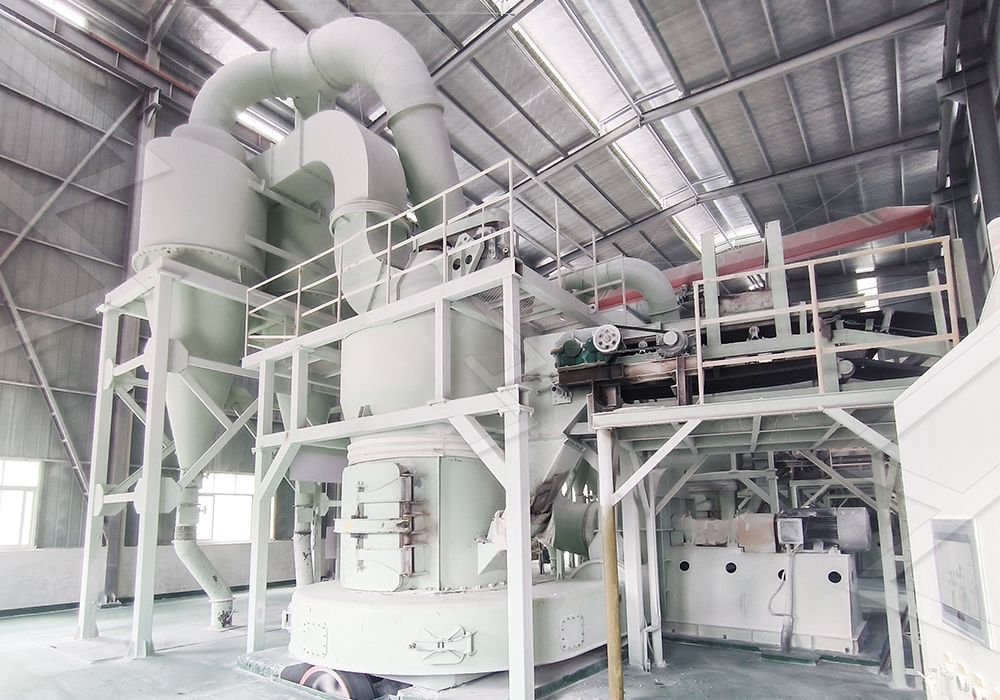
The MW Mill is designed to handle a feed size of 0-20 mm, which is typically the output from a primary crusher.
What capacity range can I expect?
The MW Ultrafine Grinding Mill offers a capacity range of 0.5 to 25 tons per hour, depending on the material properties and desired fineness.
How does the mill ensure low iron contamination?
Our mills, particularly the LM Vertical Grinding Mill, are designed so the grinding roller and millstone do not make direct contact. This minimizes mechanical wear and the resulting iron content in the final product.
Are spare parts readily available?
Yes. As a manufacturer covering both production and sales, we guarantee a sufficient supply of original spare parts and provide technical support to ensure worry-free, continuous operation.
What about noise and dust control?
Our grinding mills, including the MW series, are equipped with efficient pulse dust collectors and mufflers. This ensures the entire milling system operates with minimal dust pollution and reduced noise levels, complying with national environmental standards.