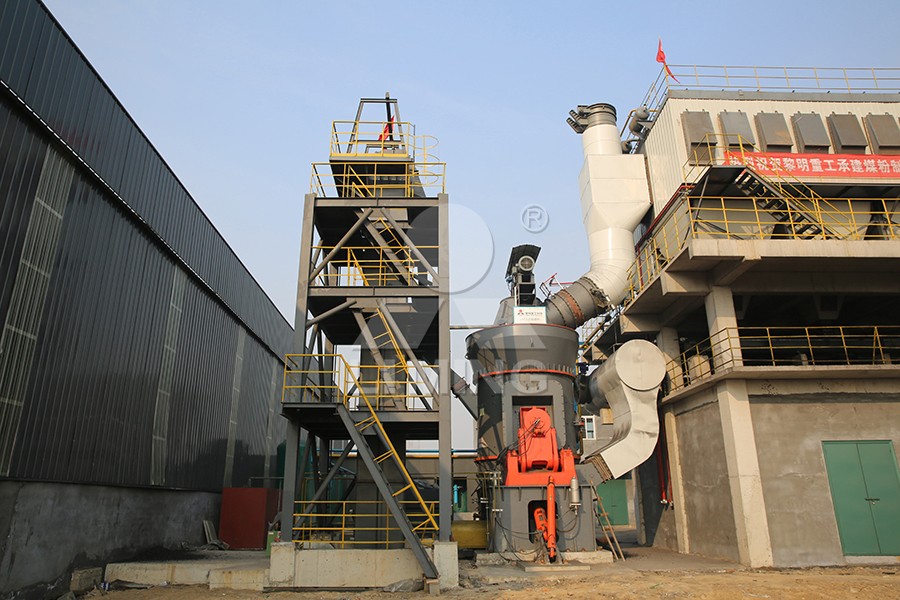
What Type of Milling Machine is Used for Recycled Crushed Aggregate?
We provide a wide range of mills — including Raymond mill, trapezoidal mill, vertical mill, ultrafine mill, and ball mill, obtained ISO9001 international quality certification, EU CE certification, and Customs Union CU-TR certification. Suitable for processing minerals such as limestone, phosphate, quicklime, kaolin, talc, barite, bentonite, calcium carbonate, dolomite, coal, gypsum, clay, carbon black, slag, cement raw materials, cement clinker, and more.
The discharge range of these mills can be adjusted to meet specific processing needs, typically from 80-400 mesh, 600-3250 mesh, and can achieve the finest particle size of up to 6000 mesh(D50).
If you are looking for a reliable grinding solution to turn stone or minerals into fine powder, please feel free to contact our online customer service.
What Type of Milling Machine is Used for Recycled Crushed Aggregate?
In the construction and recycling industries, processing recycled crushed aggregate into usable materials requires robust and efficient milling machinery. The choice of mill is critical, as it directly impacts particle size distribution, production capacity, energy consumption, and the overall quality of the final product. Unlike virgin materials, recycled aggregate can be more abrasive and variable in composition, demanding mills that offer precision, durability, and flexibility.
Key Considerations for Milling Recycled Aggregate
Recycled crushed aggregate, often derived from concrete, asphalt, and masonry, presents unique challenges. It can contain remnants of rebar, have inconsistent hardness, and require specific fineness for its next application, whether as a base layer, in new concrete mixes, or as a fine powder. The ideal mill must handle an input size of up to 20-25mm, offer adjustable fineness control, and be built to withstand abrasive materials without frequent downtime for maintenance. Energy efficiency and environmental controls for dust and noise are also paramount for modern, sustainable operations.
Recommended Mill Types for Recycled Aggregate Processing
While several mills can handle coarse crushing, the need for fine and ultra-fine grinding of recycled materials often leads operators towards advanced, vertical grinding mills. Two standout performers from our product line are particularly well-suited for this task due to their design and technological advantages.
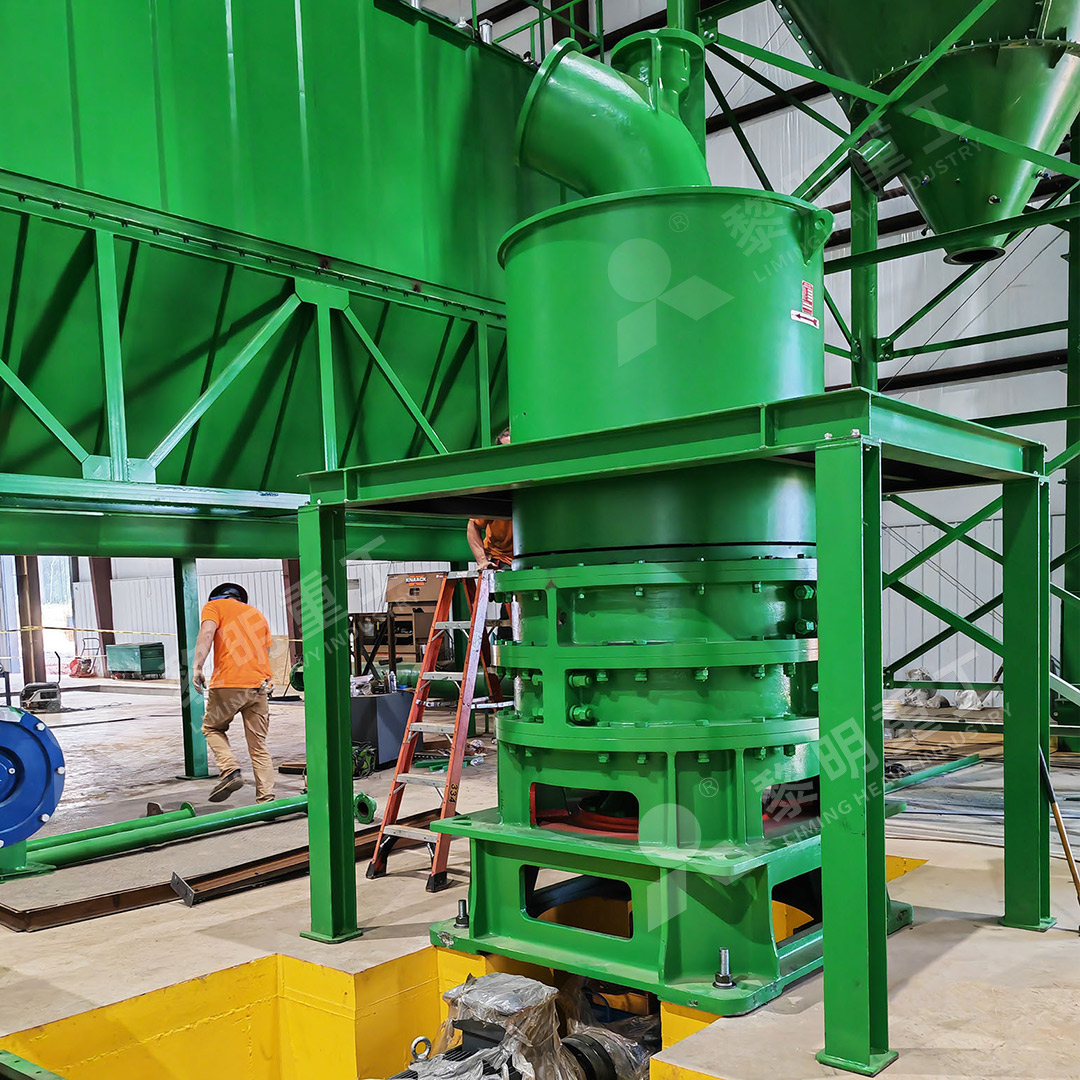
1. MW Ultrafine Grinding Mill: For Premium Fine Powder Production
For operations requiring ultra-fine powders (325-2500 meshes) from recycled materials, the MW Ultrafine Grinding Mill is an exceptional choice. Its design directly addresses the needs of recycling plants.
With an input size of 0-20 mm and a capacity of 0.5-25 tph, it perfectly matches the output of primary crushers processing recycled concrete or asphalt. Its cage-type powder selector, incorporating German technology, allows for precise fineness adjustment, ensuring the final product meets strict specifications for applications like high-value concrete additives or soil stabilization powders.
A critical feature for processing abrasive recycled aggregate is its “No Rolling Bearing & Screw in Grinding Chamber” design. This eliminates common failure points, protecting the mill from damage caused by stray metal bits often found in recycled feed. Furthermore, its efficient pulse dust collector ensures the entire milling process is environmentally friendly, containing the fine dust generated—a significant concern when milling recycled materials.
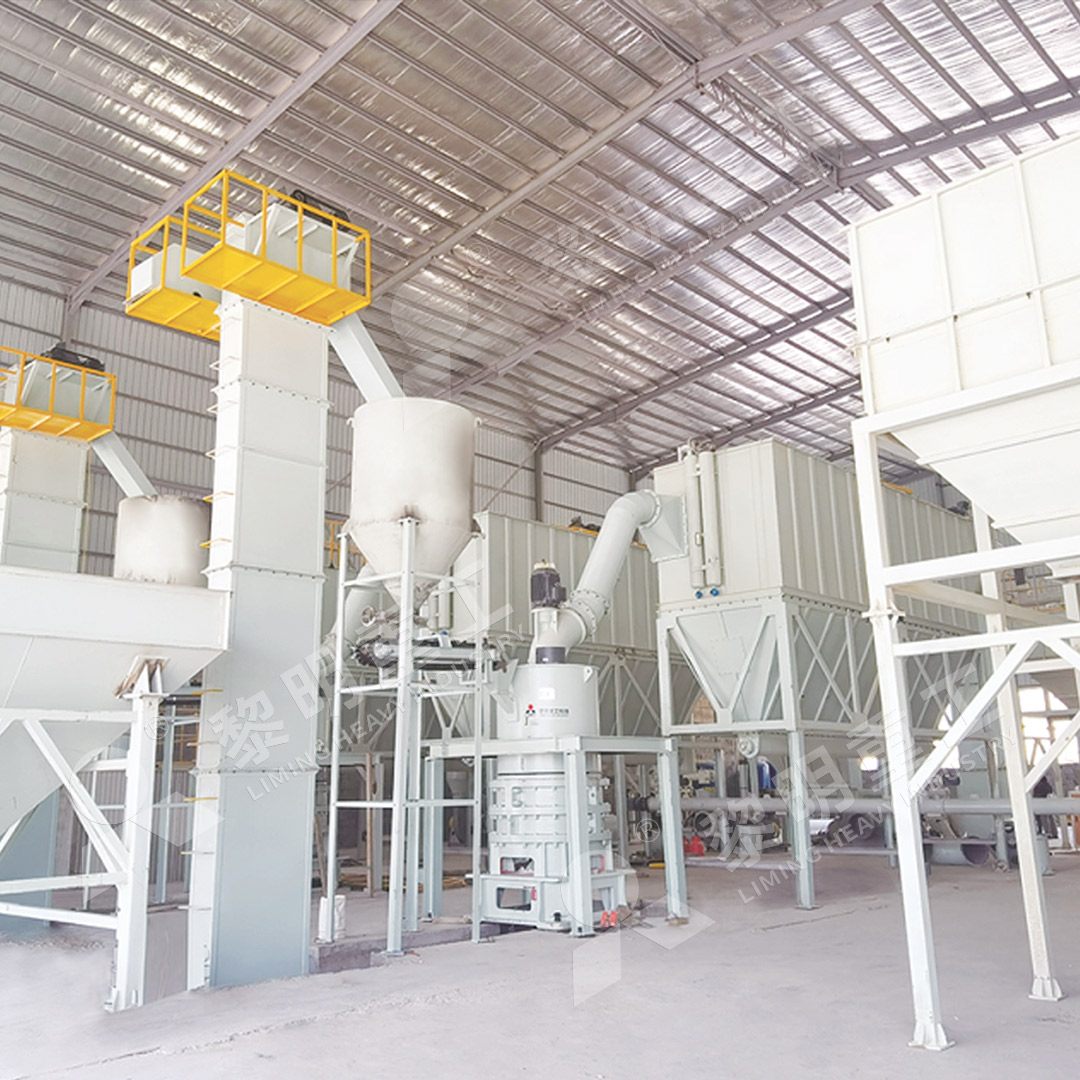
2. LM Vertical Grinding Mill: For High-Capacity, General Purpose Grinding
When the requirement is for high-volume processing of recycled aggregate into a consistent, finer material, the LM Vertical Grinding Mill is a powerhouse. Its ability to integrate crushing, drying, grinding, and classifying into a single unit makes it incredibly efficient.
It accepts a larger input size of 0-70 mm and offers a massive capacity range of 3-340 tph, making it suitable for large-scale recycling facilities. Its short grinding time and low iron content feature are vital for maintaining the quality and color of the final product, which can be affected by metal contamination from recycled sources. The mill’s compact footprint and significantly lower energy consumption (30%-40% less than ball mills) translate to lower operating costs and a smaller environmental footprint.
Conclusion
Selecting the right mill is not just about reducing size; it’s about adding value to recycled crushed aggregate. The choice between an ultra-fine solution like the MW Mill and a high-capacity workhorse like the LM Vertical Mill depends on your production goals and final product specifications. Both machines offer the reliability, efficiency, and environmental controls necessary to turn waste into a valuable resource profitably and sustainably.
Frequently Asked Questions (FAQ)
Q: Can these mills handle the metal contaminants often found in recycled aggregate?
A: Yes, specifically the MW Ultrafine Grinding Mill is designed with no rolling bearings or screws in the grinding chamber, minimizing the risk of catastrophic damage from occasional metal bits. The LM Vertical Mill also has mechanisms to discharge heavy impurities like iron pieces.
Q: What fineness can I achieve with the MW Ultrafine Mill for recycled concrete?
A: The MW Mill can adjust the fineness of the final powder between 325 and 2500 meshes, allowing you to produce everything from fine sand to ultra-fine powder suitable for advanced applications.
Q: Are these mills energy-efficient?
A: Absolutely. Both mills are designed for lower energy consumption. The LM Vertical Mill uses 30%-40% less energy than a traditional ball mill, and the MW Mill’s system energy consumption is only 30% of a jet mill.
Q: How do you control dust during milling?
A: Both models are equipped with advanced pulse dust collection systems, ensuring no dust pollution and full compliance with national environmental protection standards. This is crucial for worker safety and environmental permits.