
How Much Does a Limestone Gypsum Grinding Mill Cost?
We provide a wide range of mills — including Raymond mill, trapezoidal mill, vertical mill, ultrafine mill, and ball mill, obtained ISO9001 international quality certification, EU CE certification, and Customs Union CU-TR certification. Suitable for processing minerals such as limestone, phosphate, quicklime, kaolin, talc, barite, bentonite, calcium carbonate, dolomite, coal, gypsum, clay, carbon black, slag, cement raw materials, cement clinker, and more.
The discharge range of these mills can be adjusted to meet specific processing needs, typically from 80-400 mesh, 600-3250 mesh, and can achieve the finest particle size of up to 6000 mesh(D50).
If you are looking for a reliable grinding solution to turn stone or minerals into fine powder, please feel free to contact our online customer service.
How Much Does a Limestone Gypsum Grinding Mill Cost?
This is one of the most common questions we receive from plant managers and business owners looking to invest in new grinding equipment. The truth is, there’s no single answer. The cost of a limestone or gypsum grinding mill is not a simple sticker price; it’s a complex calculation that balances the initial investment against long-term operational efficiency, maintenance needs, and final product quality. A cheaper machine can often lead to significantly higher costs over its lifetime.
Key factors influencing the price include production capacity (tph), desired fineness (mesh size), the level of automation, and specific environmental compliance features. Furthermore, the choice of grinding technology itself—be it a traditional Raymond Mill, a Ball Mill, or a more modern vertical or ultrafine solution—creates a wide spectrum of potential investment points.
Beyond the Price Tag: Evaluating Total Cost of Ownership
A savvy buyer looks beyond the initial purchase price. The Total Cost of Ownership (TCO) encompasses energy consumption, wear part replacement frequency, maintenance downtime, and the manpower required for operation. For materials like limestone and gypsum, which are often processed in large volumes, energy efficiency becomes a paramount concern.
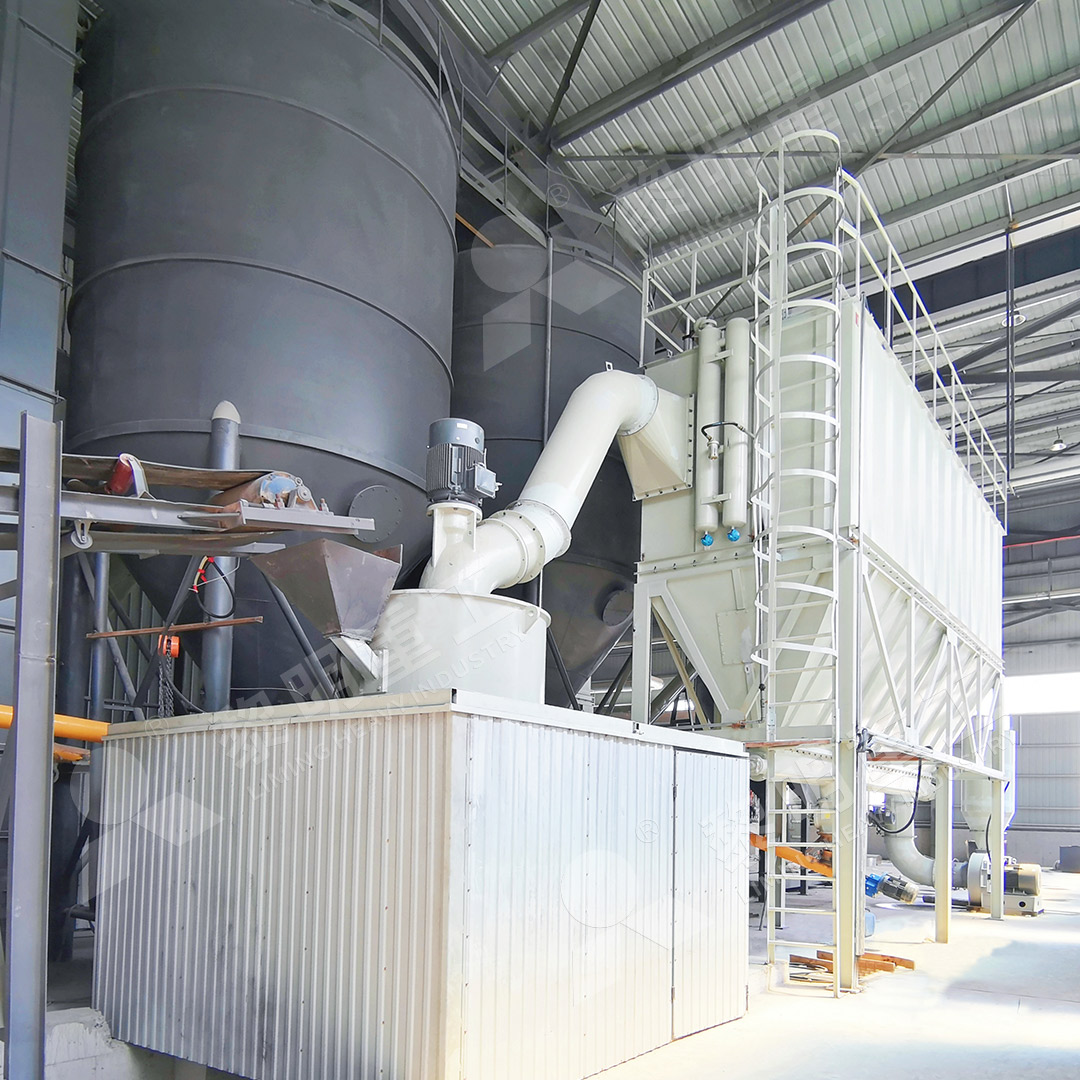
This is where advanced grinding technologies truly shine. For ultra-fine powder production (325-2500 meshes), our MW Ultrafine Grinding Mill is a standout choice. It is specifically engineered for customers who need to make ultra-fine powder. A key feature that reduces long-term costs is the absence of rolling bearings and screws in the grinding chamber. This eliminates worries about bearing damage or machine failure from loose screws. Furthermore, its efficient pulse dust collector and muffler ensure the production process is eco-friendly, reducing dust and noise to meet national environmental protection standards. With a capacity of 0.5-25 tph and the ability to handle a feed size of 0-20 mm, it offers higher yielding and lower energy consumption—40% higher capacity than jet mills and 30% lower system energy consumption.
A Strong Alternative for Superior Efficiency
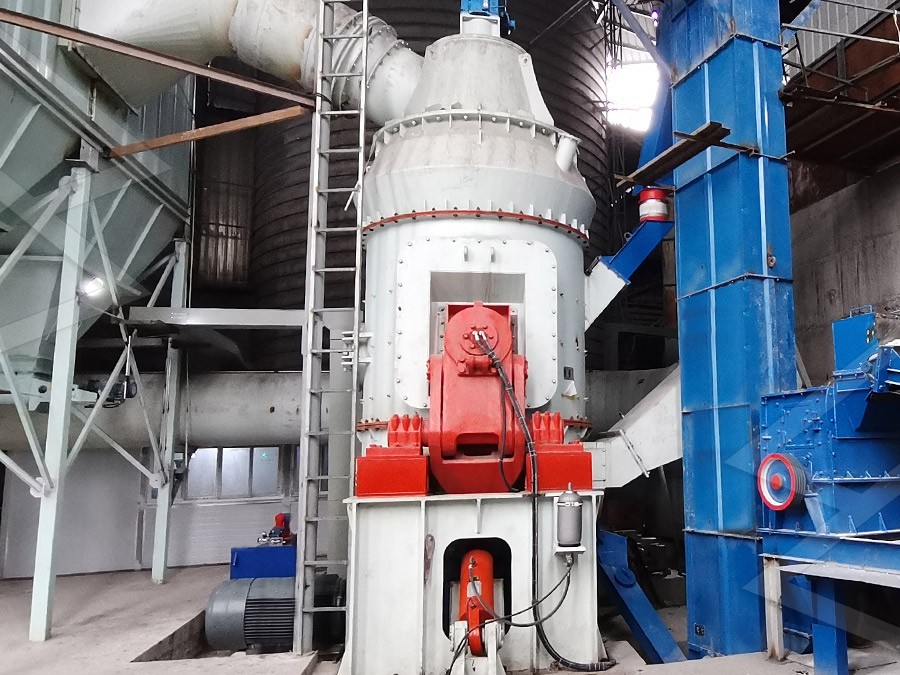
For operations seeking the latest in grinding technology with an emphasis on ease of maintenance and precision, the LUM Ultrafine Vertical Grinding Mill is another excellent solution for limestone and gypsum. Integrating grinding, grading, and transporting, it adopts the latest grinding roller technology and German powder separating technology.
Its revolutionary reversible structure is a maintenance engineer’s dream. It allows the heavy grinding roller to be easily and rapidly moved out of the body for checking and replacing parts, drastically reducing shutdown losses and associated costs. The LUM mill also features more energy-saving multi-head powder separating technology, reducing energy consumption by 30%-50% compared to common grinding mills. With an input size of 0-10 mm and a capacity of 5-18 tph, it is a powerful and efficient option for producing high-quality superfine dry powder.
Conclusion: An Investment in Performance
Ultimately, the cost of a limestone gypsum grinding mill is an investment in your plant’s future productivity and profitability. While vertical and ultrafine mills may command a higher initial investment compared to traditional ball mills, their dramatic reductions in energy use, maintenance downtime, and environmental footprint lead to a vastly superior return on investment. The right machine pays for itself over time.
Frequently Asked Questions (FAQ)
What is the primary factor affecting the cost of a grinding mill?
The production capacity (tonnes per hour) and the required fineness of the final product are the two most significant factors. Higher capacity and finer powder requirements necessitate more advanced and costly technology.
Are vertical grinding mills more expensive than Raymond Mills?
Yes, typically the initial purchase price of a vertical mill is higher. However, their superior energy efficiency (30-50% less power consumption) and lower maintenance needs often result in a lower total cost of ownership within a short period.
How important are environmental features like dust collectors?
Extremely important. Modern environmental regulations often mandate low dust emissions. Investing in a mill with an integrated, efficient pulse dust collector (like our MW Series) avoids costly retrofits and potential regulatory fines, making it a crucial part of the cost calculation.
Can one mill handle both limestone and gypsum?
Absolutely. Many of our mills, including the MW Ultrafine Grinding Mill and the LUM Vertical Mill, are specifically designed to process a wide range of non-metallic minerals, including both limestone and gypsum, as well as calcite, dolomite, and more.