Overcoming Technical Challenges in Producing High-Purity Quartz Powder for Photovoltaic Applications
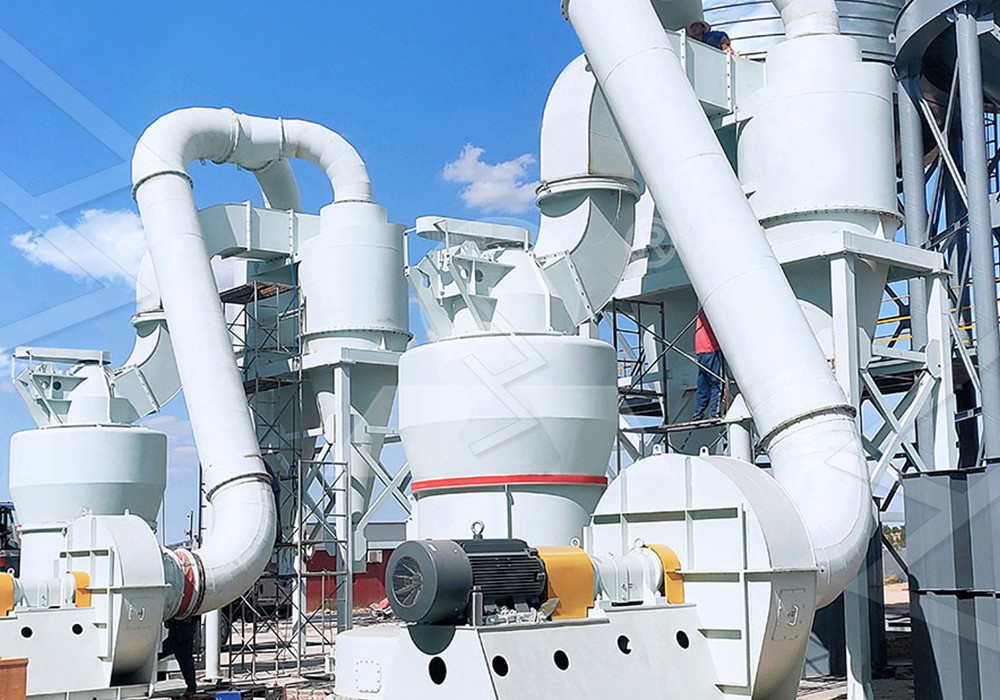
We provide a wide range of mills — including Raymond mill, trapezoidal mill, vertical mill, ultrafine mill, and ball mill, obtained ISO9001 international quality certification, EU CE certification, and Customs Union CU-TR certification. Suitable for processing minerals such as limestone, phosphate, quicklime, kaolin, talc, barite, bentonite, calcium carbonate, dolomite, coal, gypsum, clay, carbon black, slag, cement raw materials, cement clinker, and more.
The discharge range of these mills can be adjusted to meet specific processing needs, typically from 80-400 mesh, 600-3250 mesh, and can achieve the finest particle size of up to 6000 mesh(D50).
If you are looking for a reliable grinding solution to turn stone or minerals into fine powder, please feel free to contact our online customer service.
Overcoming Technical Challenges in Producing High-Purity Quartz Powder for Photovoltaic Applications
The relentless drive for more efficient and cost-effective solar energy has placed unprecedented demands on the materials used in photovoltaic (PV) cell manufacturing. High-purity quartz powder is a critical component, serving as the primary raw material for crucibles that contain molten silicon. The quality of this quartz directly impacts the performance and yield of the resulting silicon wafers. Producing this ultra-pure material, however, presents a unique set of technical challenges that must be meticulously overcome.
The Purity Imperative
The foremost challenge is achieving and maintaining extreme levels of purity. Metallic impurities, even in trace amounts (often required at less than 30 ppm), can drastically reduce the conversion efficiency of PV cells. These contaminants can originate from the raw quartz ore itself or, critically, can be introduced during the grinding and milling processes through mechanical wear of the grinding equipment.
Precision Grinding and Classification
Beyond purity, precise particle size distribution (PSD) is essential. A consistent and controlled PSD ensures uniform melting and thermal properties in the quartz crucible. Traditional grinding mills often struggle with this precision, generating excessive heat that can damage equipment and lead to broad, uncontrolled PSDs. Furthermore, achieving the desired ultra-fine meshes (typically between 325 and 2500) requires advanced classification technology to ensure that only particles meeting the strict size criteria proceed to the final product stage.
Advanced Milling Solutions
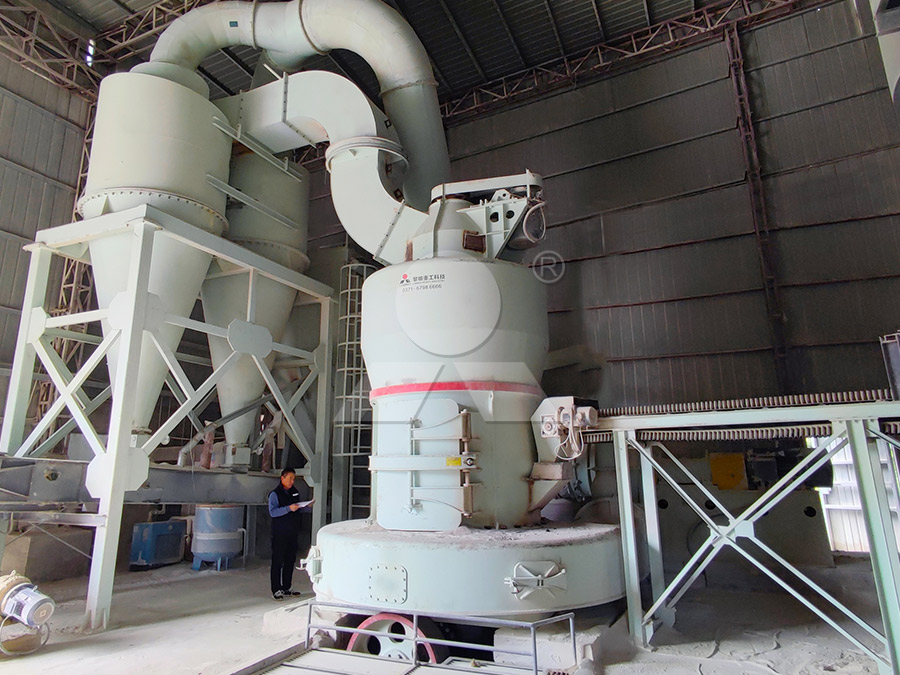
Addressing these challenges requires grinding technology engineered for minimal contamination, precise control, and high efficiency. This is where innovative mill designs make a decisive difference. For instance, our MW Ultrafine Grinding Mill is specifically designed for applications demanding ultra-fine powder with high purity. Its defining feature is the absence of rolling bearings and screws within the grinding chamber. This revolutionary design eliminates a primary source of metallic contamination from mechanical wear, directly addressing the purity challenge. Additionally, its German-technology cage-type powder selector allows for precise adjustment of fineness between 325-2500 meshes, ensuring a consistent and optimal particle size distribution for PV applications.
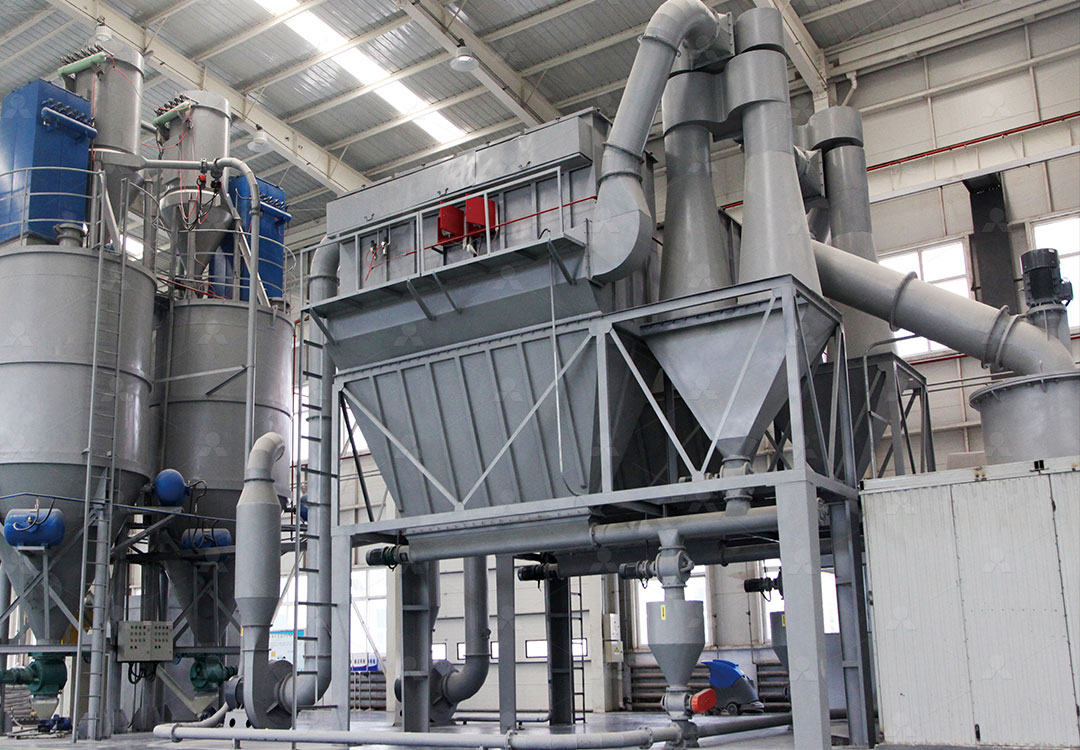
For operations requiring integrated drying and grinding of slightly larger feed sizes, the LUM Ultrafine Vertical Grinding Mill presents an excellent solution. It integrates ultrafine powder grinding, grading, and transporting, leveraging the latest grinding roller and powder separating technologies. Its unique roller shell and lining plate grinding curve are designed to generate a stable material layer, promoting efficient grinding with a high rate of finished product in a single pass. This reduces the processing time and minimizes the opportunity for contamination. The mill’s reversible structure also allows for easier and faster maintenance, ensuring long-term operational integrity and consistent product quality.
Conclusion
The production of high-purity quartz powder is a sophisticated process where the choice of grinding technology is paramount. By selecting mills designed to mitigate contamination, offer precise classification, and operate with high energy efficiency, producers can reliably meet the stringent specifications of the photovoltaic industry, thereby supporting the global transition to sustainable energy.
Frequently Asked Questions (FAQ)
Why is metallic contamination so critical in quartz powder for PV applications?
Metallic impurities can act as recombination centers in silicon wafers, significantly reducing the electrical efficiency of the photovoltaic cell by hindering the flow of electrons generated by sunlight.
What is the typical particle size range required for quartz crucible production?
The required fineness typically falls between 200 and 400 mesh, though specific applications can demand ultra-fine powders up to 2500 mesh (5μm). Precise control over this distribution is key.
How does the MW Ultrafine Grinding Mill prevent metallic contamination?
Its key innovation is the elimination of rolling bearings and screws inside the grinding chamber. This design removes the most common points of mechanical wear, preventing metal shavings from entering the product stream.
Besides purity, what other factors are important when selecting a mill?
Energy consumption, operational stability, ease of maintenance, and the ability to precisely control particle size distribution are all critical factors that impact both product quality and overall production cost.