
Limestone Fine Crushing Mill: A Comprehensive Guide to Selection and Operation
We provide a wide range of mills — including Raymond mill, trapezoidal mill, vertical mill, ultrafine mill, and ball mill, obtained ISO9001 international quality certification, EU CE certification, and Customs Union CU-TR certification. Suitable for processing minerals such as limestone, phosphate, quicklime, kaolin, talc, barite, bentonite, calcium carbonate, dolomite, coal, gypsum, clay, carbon black, slag, cement raw materials, cement clinker, and more.
The discharge range of these mills can be adjusted to meet specific processing needs, typically from 80-400 mesh, 600-3250 mesh, and can achieve the finest particle size of up to 6000 mesh(D50).
If you are looking for a reliable grinding solution to turn stone or minerals into fine powder, please feel free to contact our online customer service.
Introduction
Selecting the right fine crushing mill for limestone processing is a critical decision that impacts productivity, product quality, and operational costs. Limestone, a versatile mineral with widespread applications from construction to industrial fillers, requires precise grinding to achieve the desired fineness and particle distribution. This guide explores key considerations for mill selection and operation, drawing on industry best practices and advanced technological solutions.
Key Selection Criteria
Production Capacity Requirements
Determining your required throughput (tph) is the fundamental starting point. Different mill types offer varying capacity ranges, from small-scale laboratory units to high-capacity production systems. Consider both current needs and future expansion plans when evaluating capacity specifications.
Fineness Specifications
Limestone applications demand specific particle size distributions. Construction fillers may require 100-325 mesh, while industrial fillers and additives often need ultra-fine powders reaching 2500 mesh. The mill’s ability to consistently produce the required fineness with narrow particle distribution is crucial for product quality.
Energy Efficiency
Grinding operations account for significant energy consumption in mineral processing. Modern mills incorporate advanced designs that reduce power requirements by 30-50% compared to traditional technologies. Evaluating energy consumption per ton of product provides a realistic comparison between different mill types.
Advanced Mill Technologies
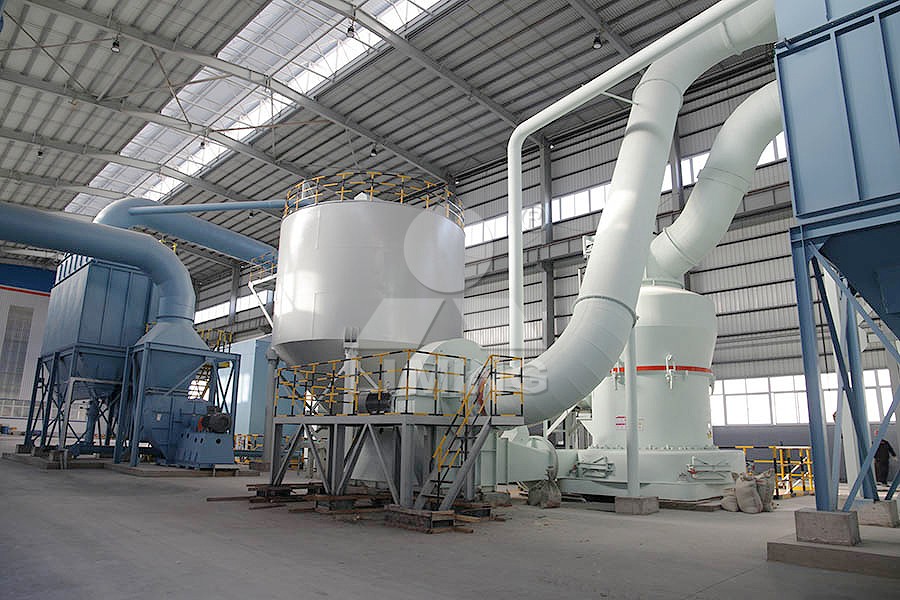
Contemporary limestone grinding mills incorporate sophisticated features that enhance performance, reliability, and environmental compliance. These include advanced classifier systems for precise particle separation, innovative grinding mechanisms that reduce wear part consumption, and integrated dust collection systems that maintain clean operating conditions.
Recommended Solutions for Limestone Processing
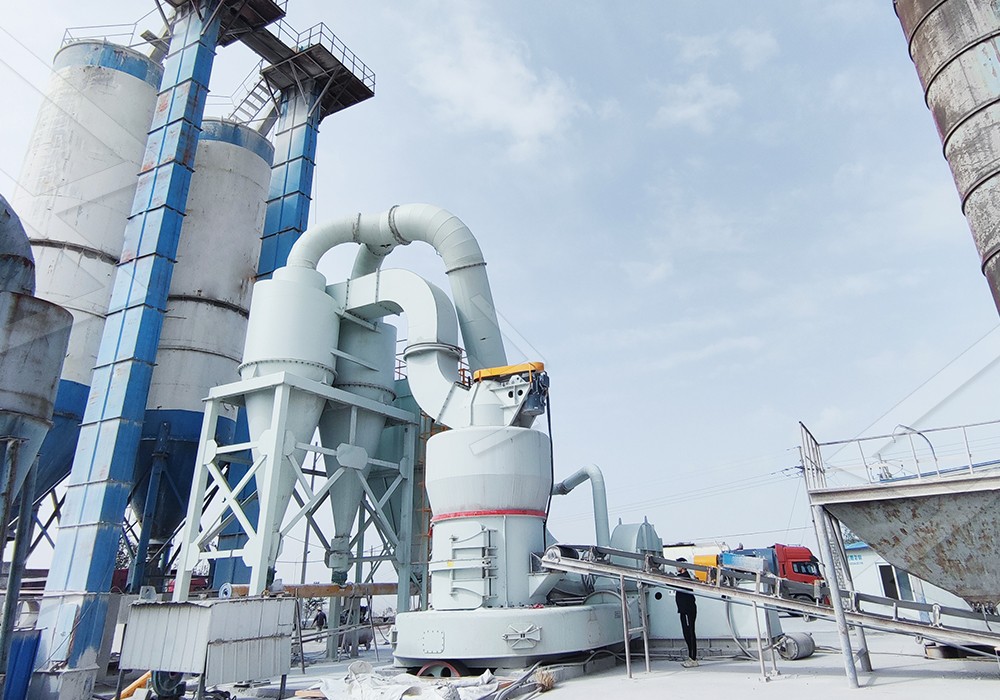
For operations requiring ultra-fine limestone powder with superior particle distribution, the MW Ultrafine Grinding Mill represents an exceptional solution. This advanced mill delivers remarkable performance with input sizes up to 20mm and capacities ranging from 0.5-25 tph. Its innovative design achieves fineness between 325-2500 meshes with exceptional precision, making it ideal for high-value limestone applications where consistent quality is paramount.
The MW mill incorporates several proprietary technologies including a German-designed cage-type powder selector that ensures precise separation, and a unique grinding chamber design that eliminates rolling bearings and screws, significantly reducing maintenance requirements. The integrated pulse dust collector and muffler system ensures environmentally compliant operation with minimal dust emissions and noise pollution.
For operations seeking vertical grinding solutions, the LUM Ultrafine Vertical Grinding Mill offers outstanding performance with input sizes up to 10mm and capacities of 5-18 tph. This mill combines Taiwanese grinding roller technology with German powder separating technology, delivering exceptional efficiency and product quality for limestone applications.
Operational Best Practices
Feed Material Preparation
Proper feedstock preparation significantly impacts mill performance. Ensure limestone is properly crushed to the mill’s maximum input size and that moisture content is controlled within specified limits. Consistent feed rate and particle size distribution prevent operational fluctuations and improve product consistency.
Maintenance Protocols
Implement preventive maintenance schedules based on manufacturer recommendations. Regular inspection of wear parts, lubrication systems, and classifiers maintains optimal performance and prevents unexpected downtime. Modern mills with external lubrication systems allow maintenance without production interruptions.
Process Monitoring
Continuous monitoring of power consumption, product fineness, and throughput provides valuable data for optimizing operations. Advanced control systems can automatically adjust parameters to maintain consistent product quality despite variations in feed material characteristics.
Frequently Asked Questions
What is the typical energy consumption for limestone fine grinding?
Energy consumption varies significantly based on the desired fineness. For ultra-fine applications (2500 mesh), modern mills typically consume 30-50% less energy than traditional technologies, with specific consumption ranging from 40-80 kWh/t depending on material characteristics and mill efficiency.
How often do wear parts require replacement?
Wear part lifespan depends on material abrasiveness and operating conditions. High-quality mills using advanced materials typically require roller and ring replacement after 800-1200 hours of operation for highly abrasive limestone, while other components may last significantly longer.
Can the same mill process different limestone varieties?
Yes, modern mills can handle various limestone types, but adjustments to grinding pressure, classifier speed, and feed rate may be necessary to maintain product consistency when changing material sources. Advanced control systems can store parameters for different materials.
What environmental considerations apply to limestone grinding?
Modern grinding mills incorporate comprehensive dust collection systems that typically capture 99.9% of particulate matter. Noise suppression technologies maintain operation within regulatory limits, and efficient designs minimize energy consumption, reducing the overall carbon footprint.
How does moisture content affect grinding performance?
Excessive moisture (typically >5%) can reduce grinding efficiency and cause material buildup. Some mills incorporate drying capabilities, while others require pre-drying for high-moisture materials. Optimal moisture content depends on the specific mill design and application requirements.