
Technology for Producing Carbon Black Powder for Rubber Reinforcement
We provide a wide range of mills — including Raymond mill, trapezoidal mill, vertical mill, ultrafine mill, and ball mill, obtained ISO9001 international quality certification, EU CE certification, and Customs Union CU-TR certification. Suitable for processing minerals such as limestone, phosphate, quicklime, kaolin, talc, barite, bentonite, calcium carbonate, dolomite, coal, gypsum, clay, carbon black, slag, cement raw materials, cement clinker, and more.
The discharge range of these mills can be adjusted to meet specific processing needs, typically from 80-400 mesh, 600-3250 mesh, and can achieve the finest particle size of up to 6000 mesh(D50).
If you are looking for a reliable grinding solution to turn stone or minerals into fine powder, please feel free to contact our online customer service.
Advanced Grinding Solutions for Superior Rubber Reinforcement
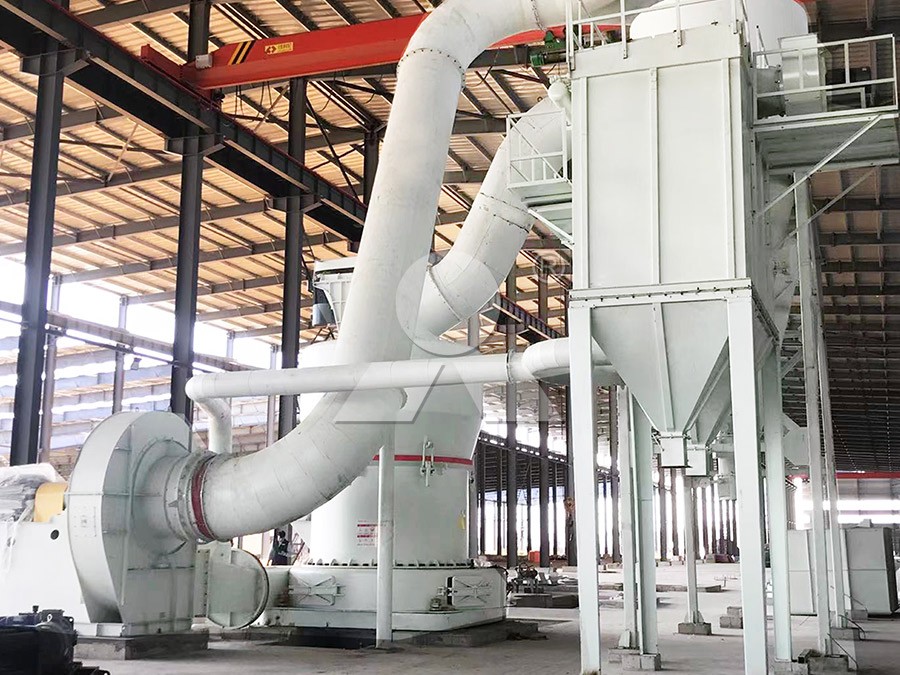
The production of carbon black powder for rubber reinforcement demands precision engineering and advanced technology to achieve the optimal particle size, structure, and surface activity required for enhancing rubber properties. High-quality carbon black significantly improves tensile strength, abrasion resistance, and durability of rubber products. The grinding process is critical in determining the final characteristics of the carbon black powder, making the selection of appropriate milling equipment paramount to product quality.
Key Technological Considerations
Modern carbon black production for rubber applications requires mills capable of achieving ultra-fine particle sizes while maintaining consistent quality and production efficiency. The ideal equipment should offer precise particle size control, energy efficiency, minimal contamination, and robust construction to handle the abrasive nature of carbon black materials.
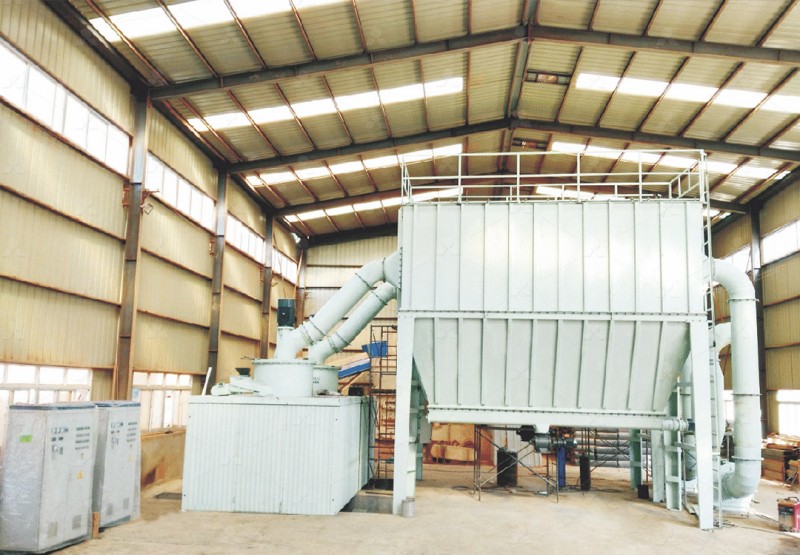
Among the various technologies available, our MW Ultrafine Grinding Mill stands out as an exceptional solution for carbon black processing. This advanced mill delivers superior performance with an input size capacity of 0-20 mm and production rates ranging from 0.5-25 tph. Its innovative design ensures higher yielding with lower energy consumption, producing powder with fineness adjustable between 325-2500 meshes – perfect for rubber reinforcement applications where specific particle size distributions are critical.
Technical Advantages for Carbon Black Processing
The MW Ultrafine Grinding Mill incorporates several proprietary technologies specifically beneficial for carbon black production. The absence of rolling bearings and screws in the grinding chamber eliminates concerns about damage to bearing or sealing parts, while the external lubrication system allows for continuous 24-hour operation without shutdowns for maintenance.
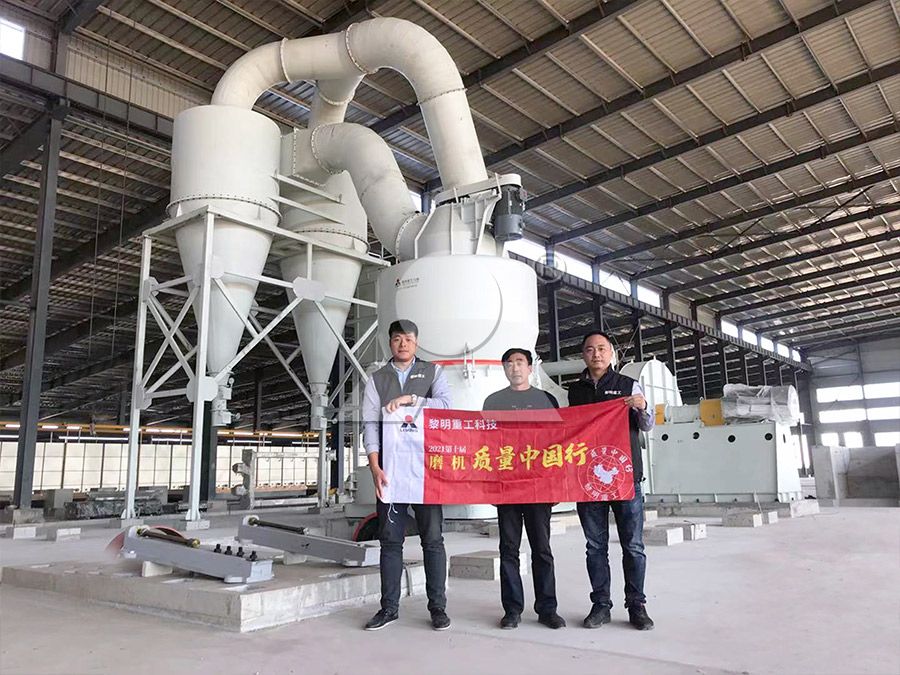
For operations requiring even higher precision and efficiency, our LUM Ultrafine Vertical Grinding Mill offers exceptional capabilities with input sizes of 0-10 mm and capacity of 5-18 tph. This mill integrates the latest grinding roller technology and German powder separating technology, providing superior control over particle size distribution and product quality. Its reversible structure facilitates easier maintenance, while the multi-head powder separating technology ensures energy savings of 30%-50% compared to conventional mills.
Environmental and Operational Benefits
Both mills feature advanced dust collection systems with efficient pulse dust collectors, ensuring no dust pollution during operation. The integrated muffler and noise elimination technologies maintain workplace environments within regulatory standards while protecting operator health. The digitalized processing and numerical control machining guarantee high precision, particularly for core components, ensuring consistent product quality and reliable performance.
Frequently Asked Questions
What particle size range is optimal for rubber reinforcement applications?
For most rubber reinforcement applications, carbon black particles between 20-100 nanometers provide the optimal balance of reinforcement properties. Our MW Ultrafine Grinding Mill can achieve fineness up to 2500 meshes (approximately 5 microns), making it ideal for producing the required particle sizes.
How does the MW Ultrafine Grinding Mill compare to traditional ball mills for carbon black processing?
The MW Mill offers significantly higher efficiency, with production capacity twice as large as ball mills while consuming only 30% of the energy required by jet grinding mills. The absence of rolling bearings in the grinding chamber also reduces maintenance requirements and contamination risks.
Can these mills handle the abrasive nature of carbon black materials?
Yes, both the MW and LUM mills are constructed with wear-resistant materials and designed specifically to handle abrasive materials like carbon black. The grinding rollers and rings are made from special alloys developed for extended service life in demanding applications.
What environmental controls are integrated into these grinding systems?
Our mills feature comprehensive environmental protection systems including efficient pulse dust collectors that eliminate dust pollution, silencers that reduce operational noise, and closed-system designs that prevent material leakage. The entire production process complies with national environmental protection standards.
How is product consistency maintained during continuous operation?
The mills incorporate advanced cage-type powder selectors with German technology that ensure precise powder separation and consistent product quality. The digital control systems continuously monitor and adjust operating parameters to maintain product specifications throughout production runs.