
Top 10 Grinding Ball Mill Manufacturers for the Mining Industry
We provide a wide range of mills — including Raymond mill, trapezoidal mill, vertical mill, ultrafine mill, and ball mill, obtained ISO9001 international quality certification, EU CE certification, and Customs Union CU-TR certification. Suitable for processing minerals such as limestone, phosphate, quicklime, kaolin, talc, barite, bentonite, calcium carbonate, dolomite, coal, gypsum, clay, carbon black, slag, cement raw materials, cement clinker, and more.
The discharge range of these mills can be adjusted to meet specific processing needs, typically from 80-400 mesh, 600-3250 mesh, and can achieve the finest particle size of up to 6000 mesh(D50).
If you are looking for a reliable grinding solution to turn stone or minerals into fine powder, please feel free to contact our online customer service.
Navigating the Giants: A Look at the Top Grinding Mill Manufacturers
The mining industry’s backbone is its ability to reduce raw ore into fine, workable powders, a task that falls squarely on the shoulders of grinding mills. While ball mills have been the traditional workhorses, technological evolution has ushered in a new era of efficiency with advanced grinding solutions. The market is dominated by a mix of long-established global giants and innovative specialists, each bringing their engineering prowess to the table. Names like Metso Outotec, FLSmidth, and ThyssenKrupp are renowned for their massive, high-capacity systems designed for large-scale mineral processing operations. These industry titans offer robust, reliable machinery backed by extensive global service networks, making them a go-to for major mining conglomerates.
The Shift Towards Efficiency and Ultra-Fine Grinding
Beyond the traditional ball mill manufacturers, a key trend is the growing demand for specialized mills that offer greater energy efficiency and the capability to produce ultra-fine powders. This is where companies like LIMING Heavy Industry have carved a significant niche. By focusing on R&D and integrating advanced technologies, they provide solutions that directly address the modern miner’s needs: lower operational costs, reduced environmental impact, and superior product quality.
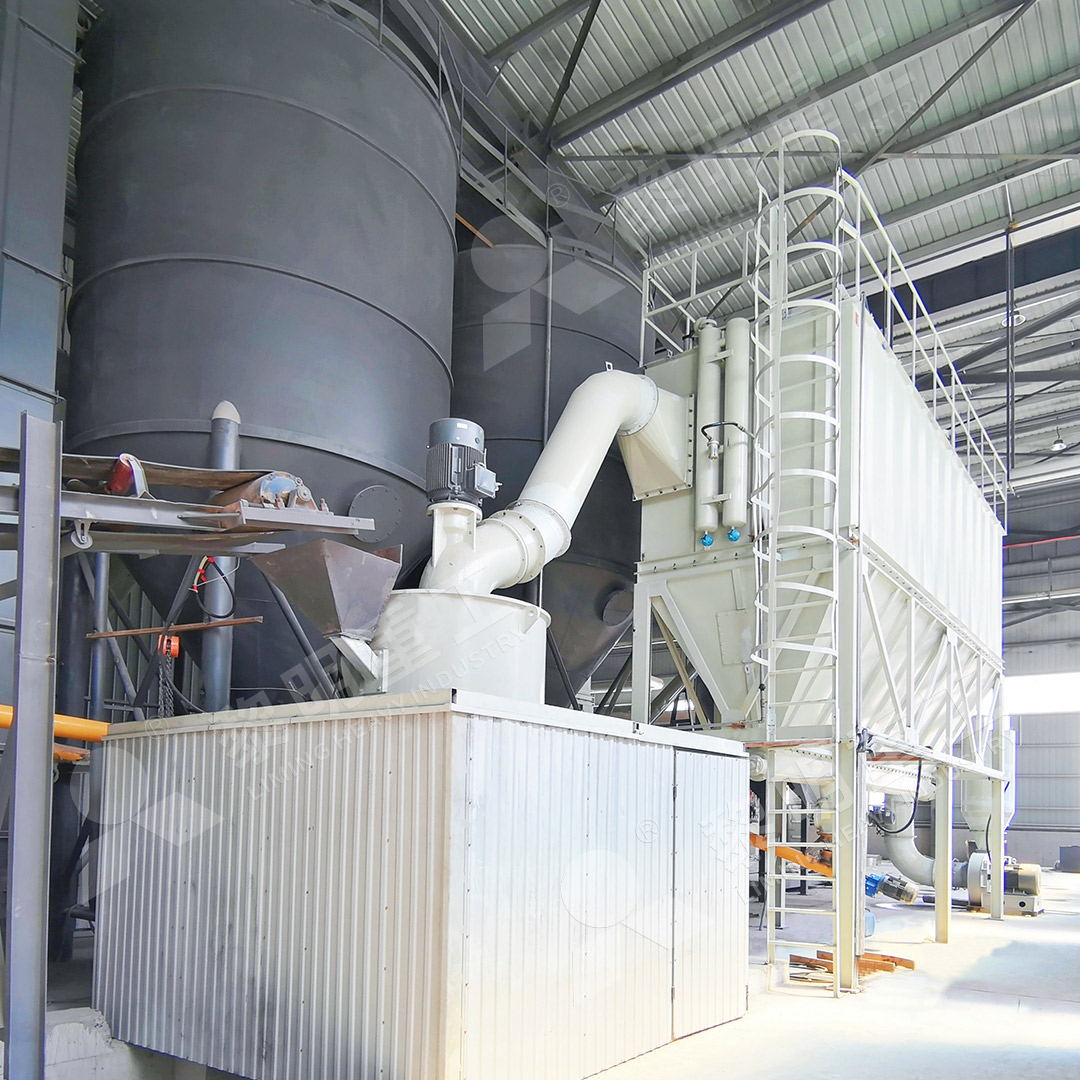
For operations requiring exceptionally fine end products, the MW Ultrafine Grinding Mill stands out. This isn’t your grandfather’s ball mill. Engineered for customers who need to make ultra-fine powder between 325-2500 meshes, it represents a leap in grinding technology. Its design incorporates a high-efficiency pulse dust collector and muffler, significantly reducing dust and noise for a more eco-friendly operation. A key advantage is its higher yield and lower energy consumption; it operates at just 30% of the energy of a jet mill while offering 40% higher capacity. Furthermore, the absence of rolling bearings and screws in the grinding chamber eliminates common failure points, ensuring worry-free, continuous 24/7 production—a critical factor for maintaining throughput in a demanding mining environment.
Beyond the Ball Mill: The Vertical Grinding Advantage
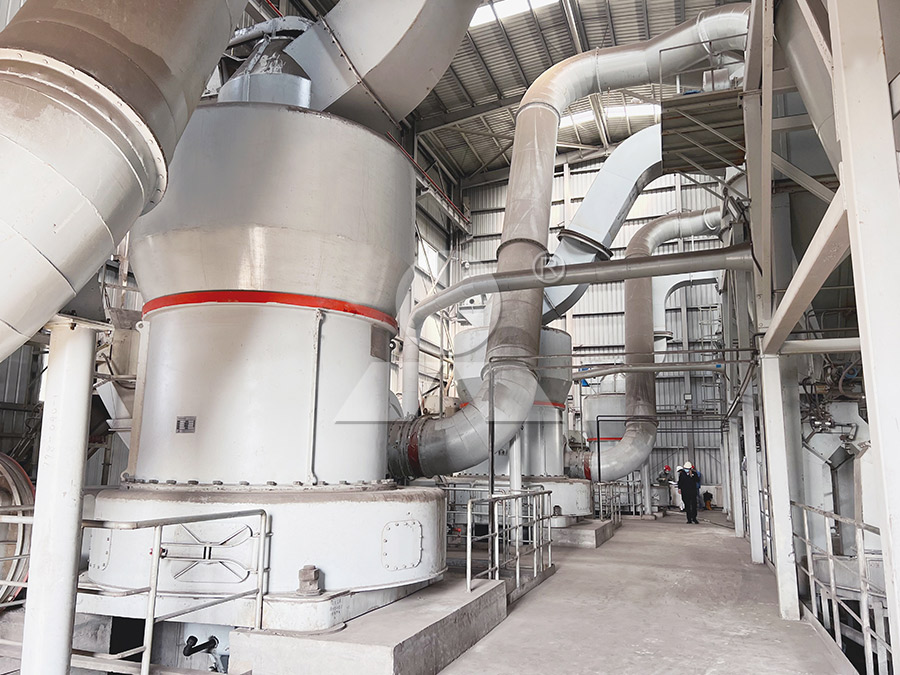
Another innovative solution challenging the dominance of horizontal ball mills is vertical grinding technology. LIMING’s LUM Ultrafine Vertical Grinding Mill is a prime example. Integrating grinding, grading, and transporting into a single, compact unit, it drastically reduces the footprint compared to a traditional ball mill system. It features more energy-saving multi-head powder separating technology and a unique reversible structure that simplifies maintenance, allowing operators to easily move the grinding roller out for inspection. This mill is ideal for processing non-metallic minerals like calcite, marble, and barite, producing superfine dry powder with higher whiteness and cleanliness.
Choosing the Right Partner
Selecting a mill manufacturer goes beyond the equipment specs. It’s about partnership. The leading manufacturers distinguish themselves through comprehensive after-sales support, a global supply of genuine spare parts, and deep application expertise. They work closely with clients to analyze ore characteristics and process goals to recommend the most efficient and cost-effective solution, whether it’s a massive SAG mill or a precision ultra-fine grinder.
Frequently Asked Questions (FAQ)
What is the main advantage of an ultrafine grinding mill over a traditional ball mill?
Ultrafine grinding mills are specifically designed to achieve much finer product fineness (often down to microns) with higher energy efficiency. They often incorporate advanced classifying technology that allows for precise particle size control, which is crucial for many modern mineral applications where liberation and surface area are key.
How important is after-sales service when selecting a manufacturer?
Extremely important. Grinding mills are critical assets. Reliable access to technical support, maintenance expertise, and genuine spare parts is essential for minimizing downtime and ensuring long-term, cost-effective operation. A manufacturer’s global service footprint can be a decisive factor.
Can these advanced mills handle the same throughput as large ball mills?
While traditional large-diameter ball mills are built for very high capacity primary grinding, advanced mills like the MW Series are optimized for ultra-fine grinding applications at capacities that meet the needs of secondary or tertiary grinding circuits, often with significant energy savings per ton of product.
Are these mills suitable for hard and abrasive ores?
Yes, leading manufacturers design their mills with wear-resistant materials and technologies. For instance, grinding rollers and rings are often made from proprietary wear-resistant alloys to extend service life and protect against the challenges of abrasive materials, ensuring consistent performance and lower long-term maintenance costs.