
Limestone Hammer Mill vs. Ball Mill: A Comparison Guide for Mineral Processing
We provide a wide range of mills — including Raymond mill, trapezoidal mill, vertical mill, ultrafine mill, and ball mill, obtained ISO9001 international quality certification, EU CE certification, and Customs Union CU-TR certification. Suitable for processing minerals such as limestone, phosphate, quicklime, kaolin, talc, barite, bentonite, calcium carbonate, dolomite, coal, gypsum, clay, carbon black, slag, cement raw materials, cement clinker, and more.
The discharge range of these mills can be adjusted to meet specific processing needs, typically from 80-400 mesh, 600-3250 mesh, and can achieve the finest particle size of up to 6000 mesh(D50).
If you are looking for a reliable grinding solution to turn stone or minerals into fine powder, please feel free to contact our online customer service.
Limestone Hammer Mill vs. Ball Mill: A Comparison Guide for Mineral Processing
Selecting the right grinding equipment is a critical decision in mineral processing operations, directly impacting productivity, operational costs, and final product quality. Two of the most common machines encountered are the Hammer Mill and the Ball Mill. While both are used for size reduction, their operating principles, performance characteristics, and ideal applications differ significantly. This guide provides a professional comparison to help you make an informed choice for your limestone processing needs.
Fundamental Operating Principles
A Hammer Mill operates on the principle of impact crushing. It features a high-speed rotor equipped with swinging hammers that strike and shatter the incoming feed material against a breaker plate. This action results in a rapid, single-pass reduction, making it excellent for coarse to medium grinding. The final product size is primarily controlled by the size of the screen or grate openings at the discharge.
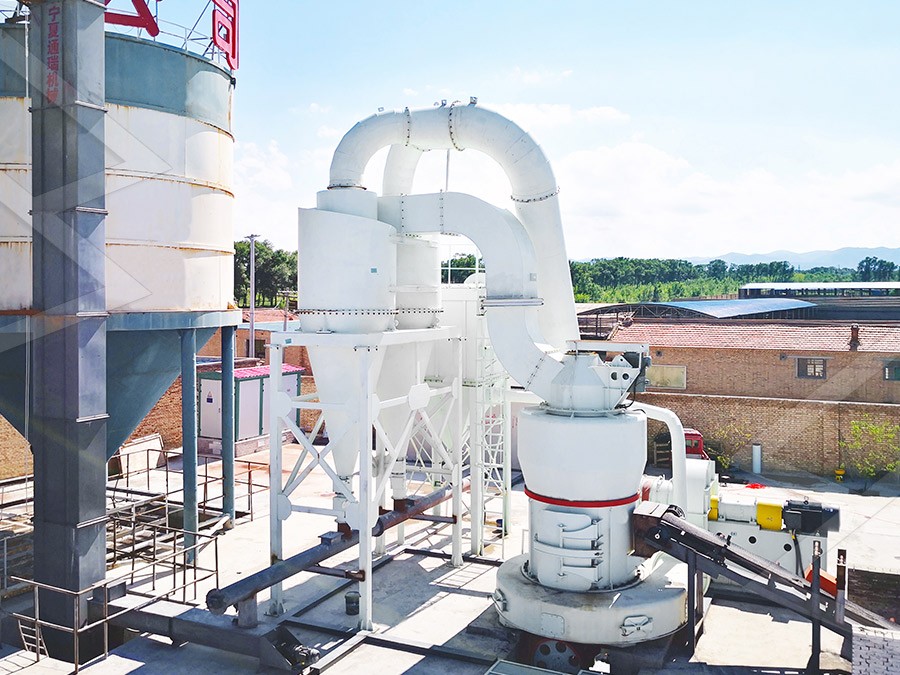
In contrast, a Ball Mill is a tumbling mill that uses attrition and impact for grinding. It consists of a rotating cylindrical shell partially filled with grinding media, typically steel balls. As the shell rotates, the balls are lifted and then cascade down, crushing and grinding the material through a combination of impact and abrasion over a longer residence time. This process is ideal for achieving very fine grinds.
Key Performance Comparison
| Aspect | Hammer Mill | Ball Mill |
|---|---|---|
| Mechanism | Impact (High Speed) | Attrition & Impact (Low Speed) |
| Product Fineness | Coarse to Medium (Generally > 100 mesh) | Very Fine (Can achieve sub-45 micron) |
| Energy Efficiency | Higher for coarse grinding | Lower for coarse grinding, better for ultra-fine |
| Wear & Maintenance | High wear on hammers/screens; frequent replacement | Lower wear rate; media addition; liner replacement |
| Control & Flexibility | Quick product change via screen swap | Fineness controlled by residence time/feed rate |
Beyond the Traditional Choice: The Modern Solution
For operations requiring ultra-fine limestone powder (325-2500 meshes) with higher efficiency and lower operational costs than a traditional ball mill, our MW Ultrafine Grinding Mill presents a superior alternative. This advanced mill is engineered for customers dedicated to producing high-value ultra-fine powders.
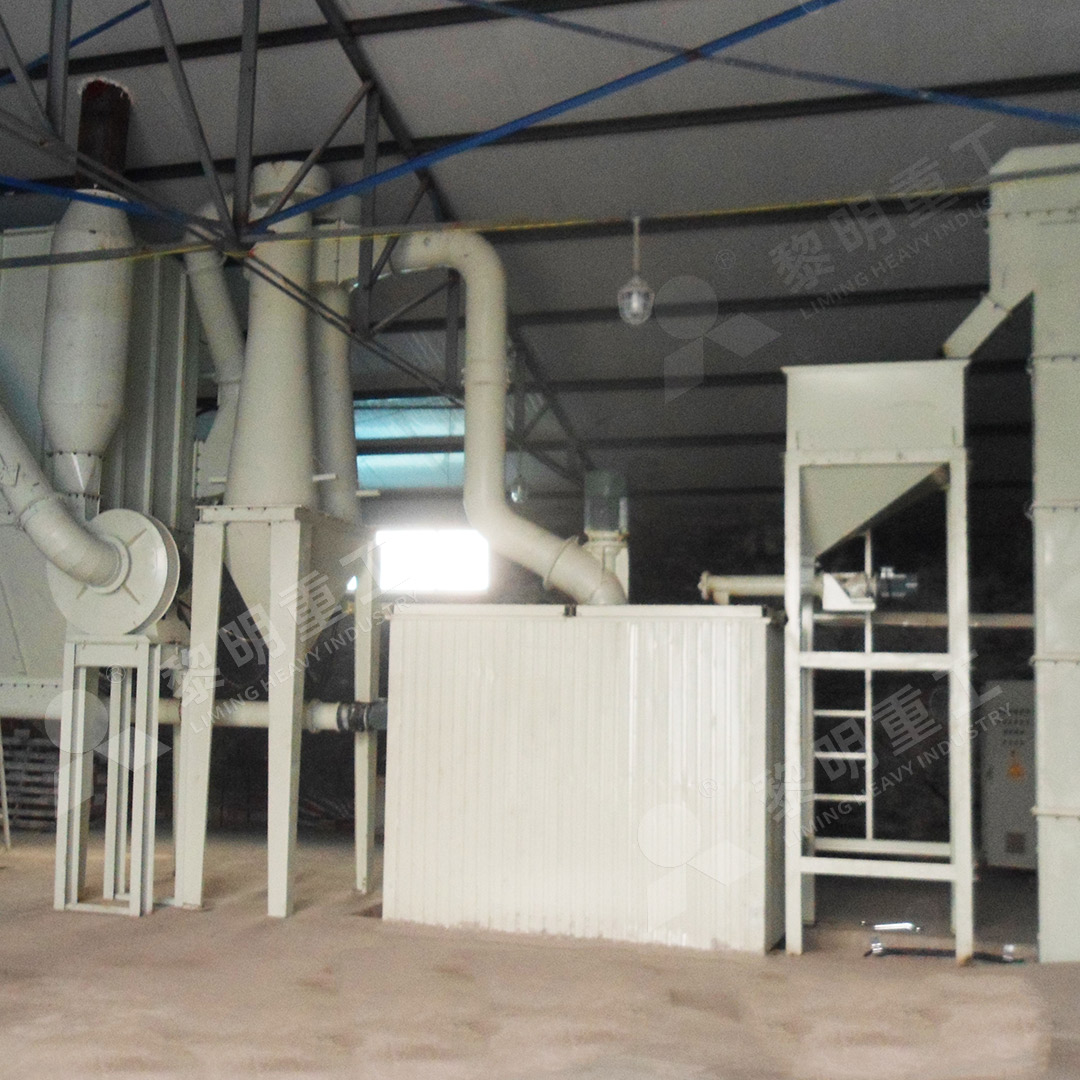
The MW Series boasts a revolutionary design that eliminates rolling bearings and screws within the grinding chamber, virtually eradicating concerns over bearing failures or loose hardware. Its cage-type powder selector, incorporating German technology, ensures precise separation, allowing operators to adjust fineness between 325 and 2500 meshes with a remarkable screening rate of d97≤5μm in a single pass.
Key advantages for limestone processing include:
- Higher Yielding, Lower Energy Consumption: Delivers 40% higher capacity than jet mills and double the output of ball mills at the same power, while system energy consumption is slashed by 70% compared to jet mills.
- Eco-Friendly Operation: An integrated efficient pulse dust collector and muffler system ensures dust-free operation and significantly reduced noise, aligning with stringent environmental standards.
- Worry-Free Operation: Designed for continuous 24/7 operation with external lubrication and backed by a guaranteed supply of original spare parts and technical support.
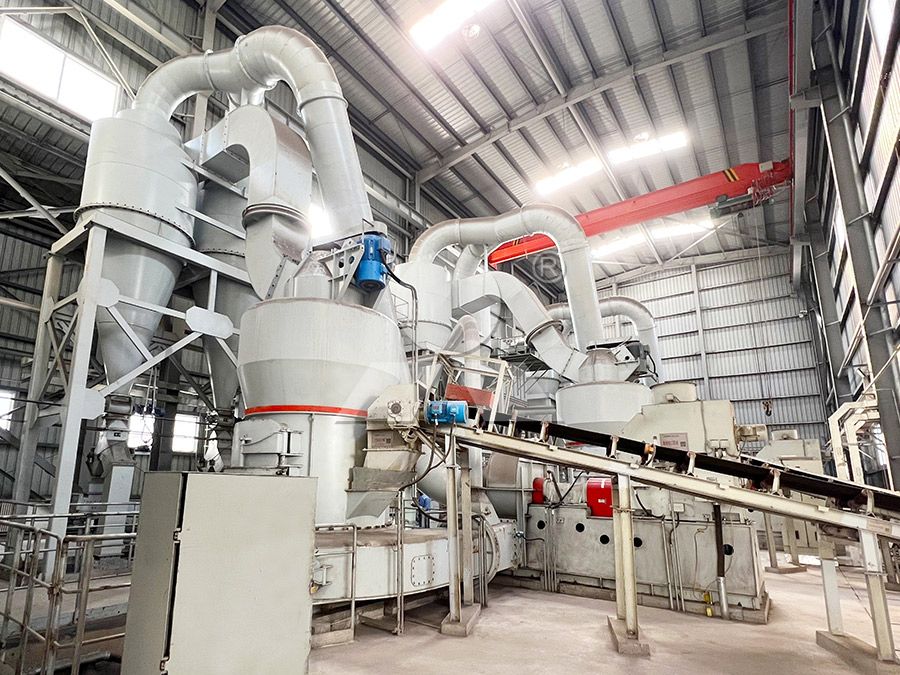
For projects demanding even greater integration and stability in vertical grinding, our LUM Ultrafine Vertical Grinding Mill is another excellent option. It combines advanced grinding roller technology with intelligent powder separation, offering exceptional energy savings of 30%-50% and easier maintenance with its unique reversible roller structure.
Frequently Asked Questions (FAQ)
Q1: Which mill is better for producing agricultural lime?
A: A Hammer Mill is typically the preferred and more cost-effective choice for agricultural lime, which usually requires a coarse to medium grind (e.g., 20-100 mesh).
Q2: I need a very fine limestone powder for plastics filler. Should I use a ball mill?
A: While a ball mill can achieve this fineness, our MW Ultrafine Grinding Mill is a far more efficient and economical solution for high-volume production of fillers in the 325-2500 mesh range, offering superior energy efficiency and lower overall operating costs.
Q3: What is the major maintenance concern with a hammer mill?
A: The primary maintenance involves the periodic replacement of hammers, screens, and liner plates due to the high-wear nature of the impact crushing process, especially with abrasive materials like limestone.
Q4: Can the MW Ultrafine Mill handle the high production volume needed for my plant?
A: Absolutely. The MW Series is designed for industrial-scale continuous operation with capacities ranging from 0.5 to 25 tons per hour, making it suitable for both large and mid-sized processing plants.