
Other Types of Gold Milling Machines for Mineral Processing
We provide a wide range of mills — including Raymond mill, trapezoidal mill, vertical mill, ultrafine mill, and ball mill, obtained ISO9001 international quality certification, EU CE certification, and Customs Union CU-TR certification. Suitable for processing minerals such as limestone, phosphate, quicklime, kaolin, talc, barite, bentonite, calcium carbonate, dolomite, coal, gypsum, clay, carbon black, slag, cement raw materials, cement clinker, and more.
The discharge range of these mills can be adjusted to meet specific processing needs, typically from 80-400 mesh, 600-3250 mesh, and can achieve the finest particle size of up to 6000 mesh(D50).
If you are looking for a reliable grinding solution to turn stone or minerals into fine powder, please feel free to contact our online customer service.
Other Types of Gold Milling Machines for Mineral Processing
While ball mills and Raymond mills are common workhorses in mineral processing, the quest for higher efficiency, finer grinds, and lower operational costs has driven the development of more advanced milling technologies. For gold ore processing, where liberation of fine gold particles is paramount, selecting the right milling equipment is critical to maximizing recovery rates and overall project economics.
Beyond Traditional Grinding: The Need for Specialized Mills
Traditional grinding methods often struggle with the specific challenges posed by gold ores, particularly when dealing with refractory ores or ores requiring ultra-fine grinding for optimal cyanide leach recovery. This has led to the adoption of several other mill types, each with distinct advantages.
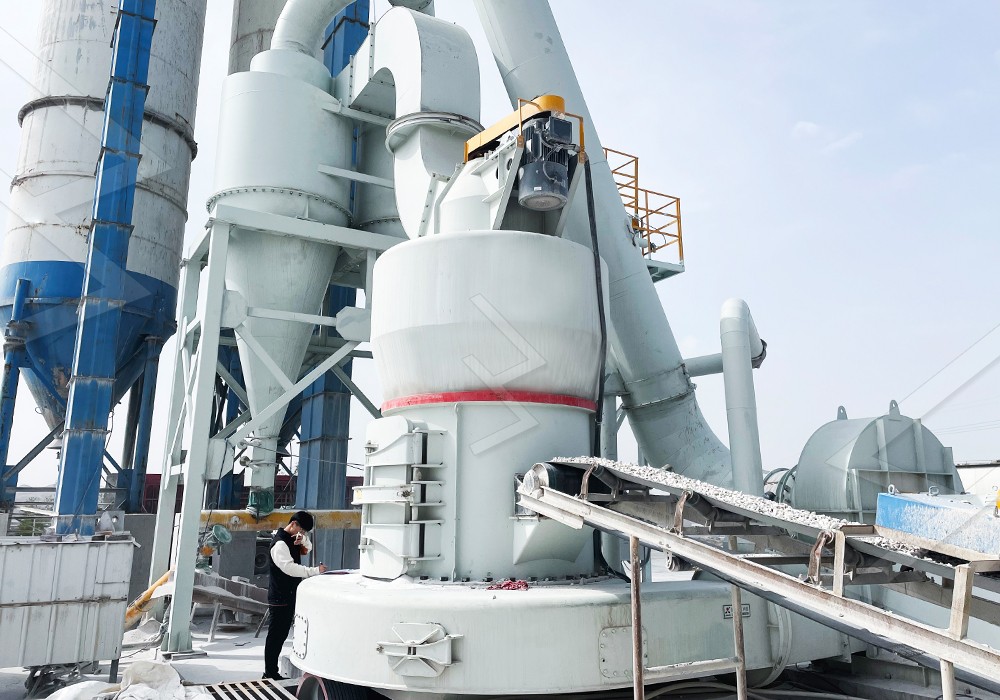
Key Mill Varieties for Gold Processing
Vertical Roller Mills (VRM): VRMs have gained significant traction due to their excellent energy efficiency. They integrate crushing, grinding, drying, and classification in a single unit, reducing the plant footprint. Their ability to handle moist feed and their lower energy consumption—often 30-40% less than ball mills—make them an attractive option for large-scale operations.
Stirred Media Mills: These mills use a central screw or impeller to agitate grinding media within a stationary chamber. They are highly efficient for achieving ultra-fine and nano-sized grinds, which is crucial for liberating micro-fine gold locked within sulfide minerals. Their intense grinding action can significantly improve leach kinetics.
Ultra-Fine Grinding (UFG) Mills: Specifically designed to produce product fineness in the range of microns, UFG mills are the go-to solution for processing refractory gold ores. Their advanced design minimizes over-grinding and ensures a narrow particle size distribution, which is ideal for subsequent leaching processes.
Recommended Solution: MW Ultrafine Grinding Mill
For operations targeting the highest levels of gold liberation through ultra-fine grinding, our MW Ultrafine Grinding Mill stands out as a premier choice. Engineered for customers who need to make ultra-fine powder, this machine is a paradigm of efficiency and reliability.
With an input size of 0-20 mm and a capacity range of 0.5-25 tph, the MW Mill is versatile for various project scales. It is equipped with an efficient pulse dust collector and muffler, ensuring that the entire production process meets stringent environmental standards with minimal dust and noise pollution.
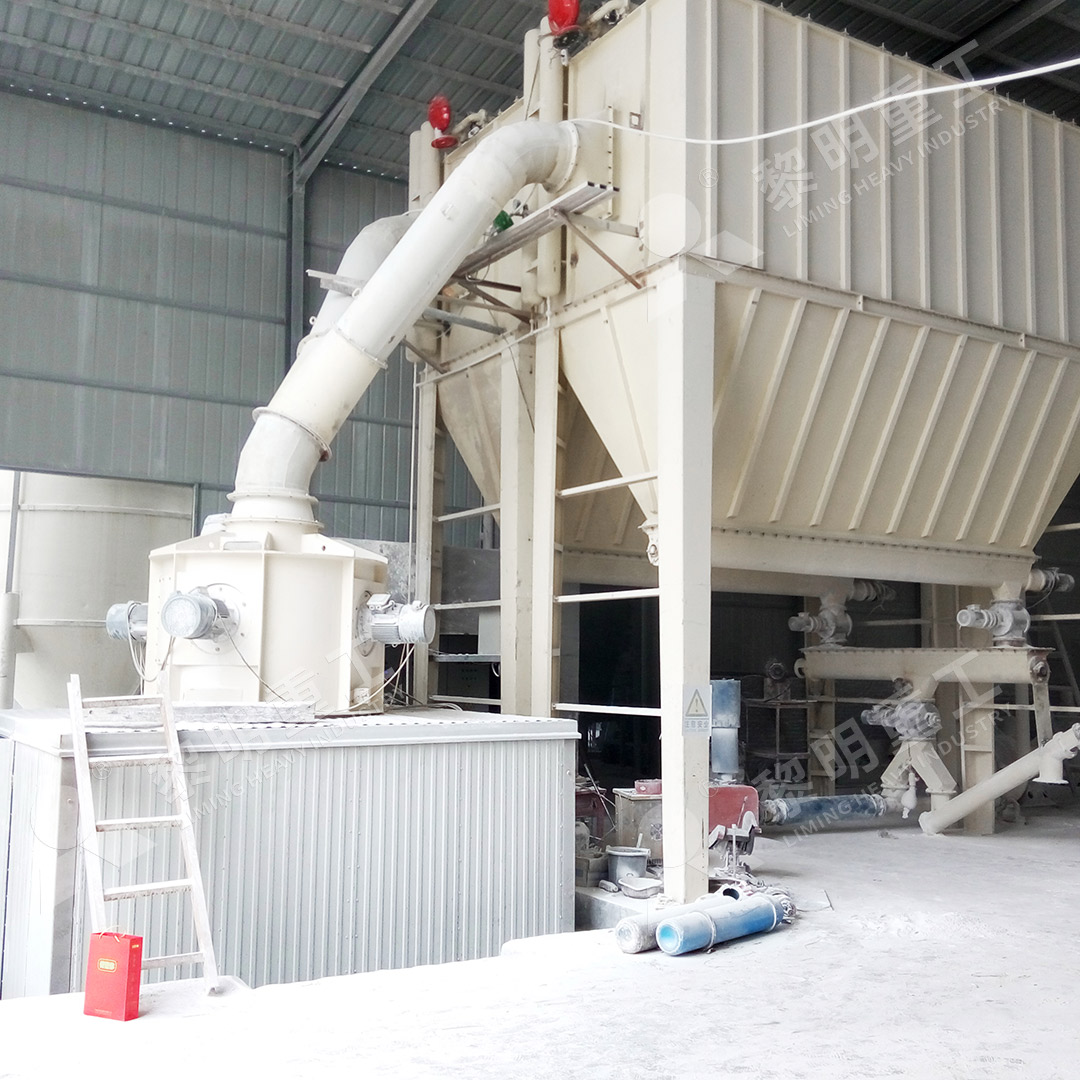
Why the MW Mill excels in gold processing:
- Higher Yielding, Lower Energy Consumption: Its newly designed grinding curves enhance efficiency, offering 40% higher capacity than jet mills and double the yield of ball mills, while consuming only 30% of the energy of a jet mill.
- Adjustable Fineness (325-2500 meshes): A German-technology, cage-type powder selector allows precise control over product fineness, achieving a screening rate of d97≤5μm in a single pass—critical for maximizing gold surface area for leaching.
- Unmatched Reliability: The absence of rolling bearings and screws in the grinding chamber eliminates common failure points. An external lubricating device allows for 24/7 operation without shutdowns for maintenance.
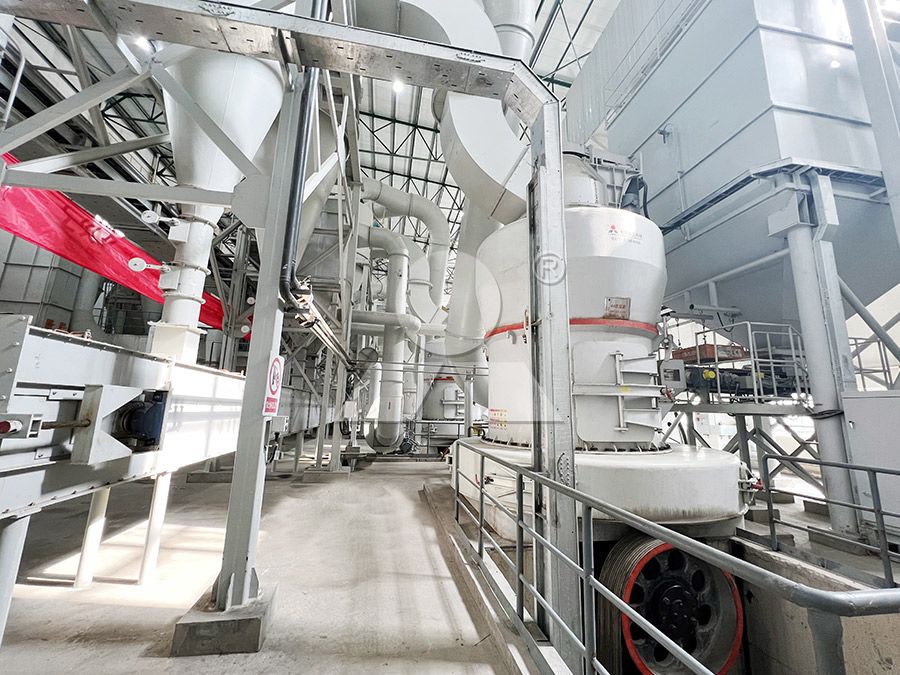
Another robust option from our portfolio for fine grinding applications is the LUM Ultrafine Vertical Grinding Mill. Integrating the latest grinding roller and powder separating technology, the LUM mill is renowned for its higher yielding rate, better product quality, and energy-saving multi-head powder separating technology, reducing energy consumption by 30%-50%. Its reversible structure also makes maintenance quicker and easier, minimizing downtime.
Conclusion
The evolution of gold milling technology has moved far beyond traditional ball mills. Today’s operations require precise, efficient, and environmentally sound equipment to remain profitable. Investing in advanced mills like the MW Ultrafine Grinding Mill or the LUM Ultrafine Vertical Grinding Mill can lead to step-change improvements in recovery, operational cost savings, and a reduced environmental footprint.
Frequently Asked Questions (FAQ)
Q: What is the main advantage of an ultra-fine grinding mill for gold ore?
A: The primary advantage is its ability to liberate micro-fine gold particles locked within host minerals, significantly increasing leach recovery rates for refractory ores that are uneconomical with conventional grinding.
Q: How does the MW Ultrafine Grinding Mill achieve lower energy consumption?
A: It utilizes optimized grinding curves of the roller and ring to maximize grinding efficiency. Additionally, its advanced powder selector reduces recirculation load, and the overall design minimizes mechanical losses, leading to significantly lower kWh/ton consumption.
Q: Can these mills handle wet feed, or are they only for dry grinding?
A: While the MW and LUM mills highlighted here are designed for dry grinding, many other mill types, such as certain vertical roller mills and ball mills, can be configured for wet grinding operations, which is common in gold processing circuits.
Q: What kind of maintenance should be expected with the MW Mill?
A: Thanks to its design without internal bearings or screws, maintenance is greatly simplified. Primary wear parts are the grinding roller and ring, which have long service lives. External lubrication points allow for routine maintenance without interrupting production.