
Operating Principle of Liming Heavy Industry Medium-Speed Coal Mill
We provide a wide range of mills — including Raymond mill, trapezoidal mill, vertical mill, ultrafine mill, and ball mill, obtained ISO9001 international quality certification, EU CE certification, and Customs Union CU-TR certification. Suitable for processing minerals such as limestone, phosphate, quicklime, kaolin, talc, barite, bentonite, calcium carbonate, dolomite, coal, gypsum, clay, carbon black, slag, cement raw materials, cement clinker, and more.
The discharge range of these mills can be adjusted to meet specific processing needs, typically from 80-400 mesh, 600-3250 mesh, and can achieve the finest particle size of up to 6000 mesh(D50).
If you are looking for a reliable grinding solution to turn stone or minerals into fine powder, please feel free to contact our online customer service.
Operating Principle of Liming Heavy Industry Medium-Speed Coal Mill
Liming Heavy Industry’s medium-speed coal mill represents a pinnacle of engineering for pulverized coal preparation in power generation, cement production, and various industrial heating applications. Its design philosophy centers on achieving optimal grinding efficiency, operational stability, and environmental compliance. The core of its operation involves the simultaneous drying and grinding of raw coal, transforming it into a fine, consistent powder ready for combustion.
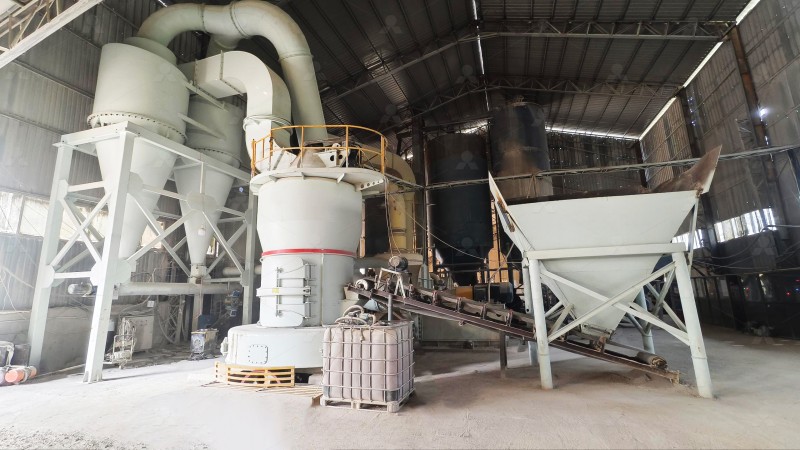
The process initiates as the main motor engages the reduction gearbox, which in turn rotates the large grinding table. Sized raw coal, typically below 50mm, is fed onto the center of this rotating table via a sealed screw feeder. Centrifugal force immediately acts upon the material, propelling it outward towards the periphery of the table and directly into the path of the heavy, stationary grinding rollers.
These rollers, hydraulically pressurized, exert tremendous force on the coal bed, crushing and pulverizing the material through a combination of compression and inter-particle attrition. A critical feature is the hot air stream, introduced from the inlet, which sweeps across the grinding table. This air serves a dual purpose: it dries the coal, reducing its moisture content for efficient combustion, and it transports the finer particles upwards toward the integrated classifier.
Precision Classification and Final Product Collection
As the coal-air mixture rises, it encounters the dynamic classifier located at the top of the mill housing. This high-precision component, often a rotating cage or vaned rotor, acts as a gatekeeper. It utilizes centrifugal force to separate particles based on size. Coarse, unqualified particles are rejected and fall back onto the grinding table for further size reduction. This internal recirculation is key to achieving a uniform final product.
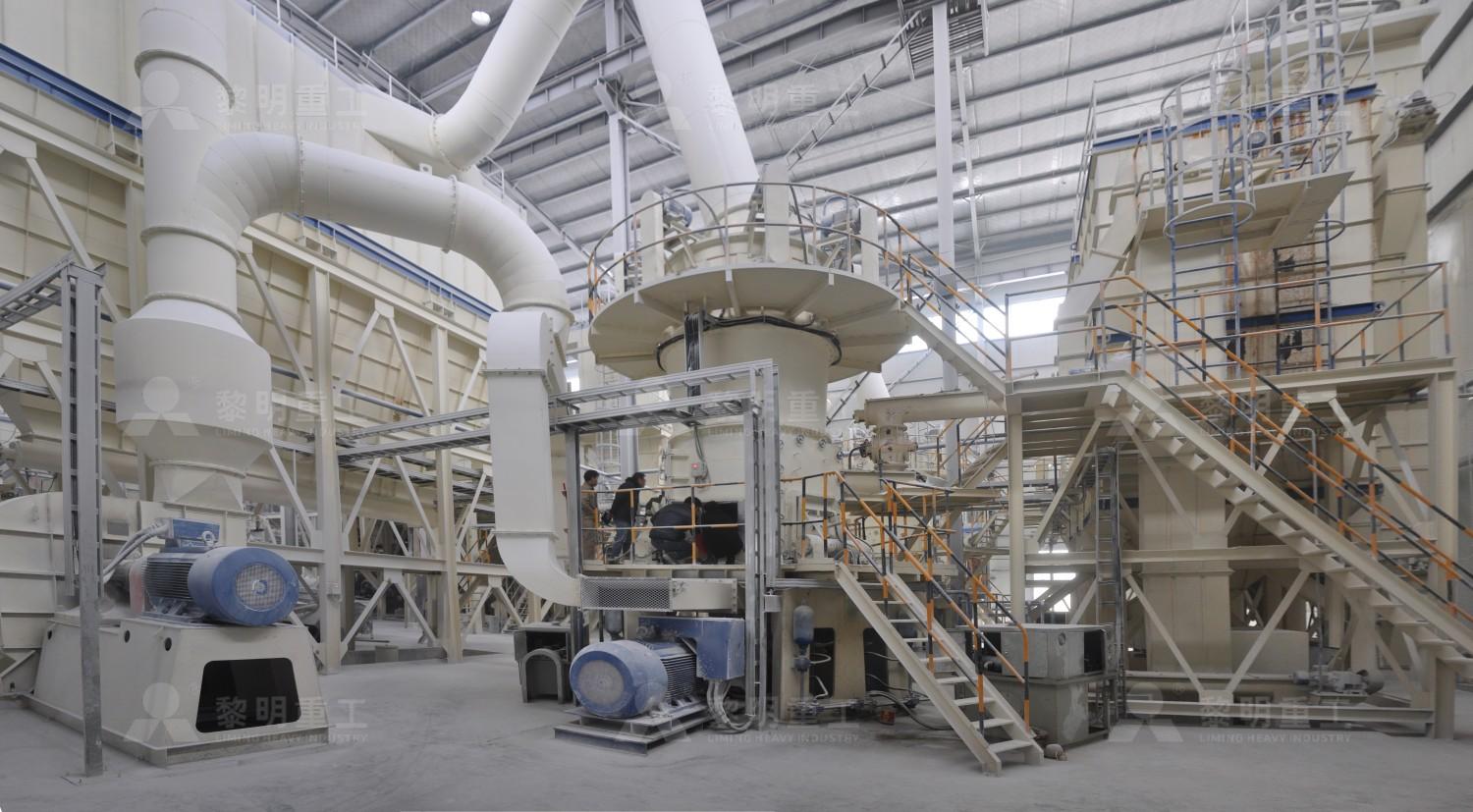
The fine,合格 powder that meets the fineness specification continues with the air stream out of the mill and into the product collection system, typically a baghouse or cyclone. Here, the pulverized coal is separated from the air and discharged as the final product. The cleaned air is often recirculated back into the mill system by a main fan, creating a closed-loop, negative-pressure environment that ensures no dust escapes, upholding stringent environmental standards.
Advanced Design for Reliability and Efficiency
What sets our mills apart are the integrated design features that guarantee longevity and minimal downtime. The grinding rollers can be swung out hydraulically for maintenance without dismantling the entire mill structure. Furthermore, the mill is equipped with sophisticated limiters that prevent direct metal-to-metal contact between the rollers and the table during start-up, shutdown, or unexpected vibration, preventing catastrophic damage.
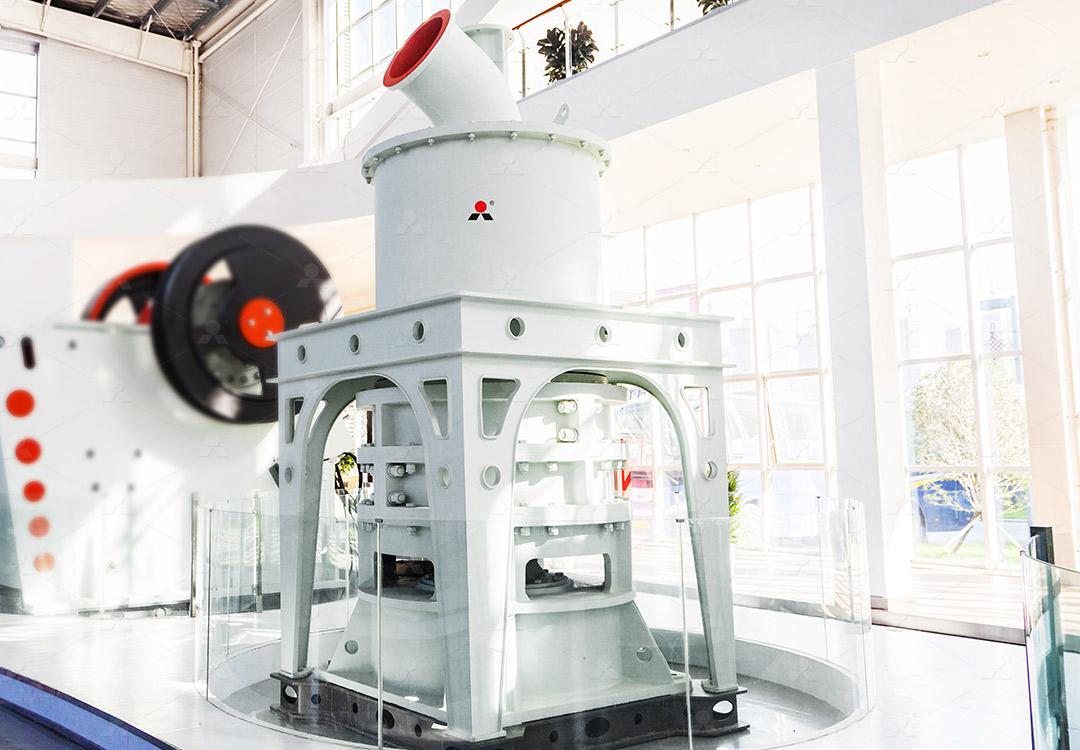
For operations requiring even finer powders or specialized coal blends, we highly recommend considering our MW Ultrafine Grinding Mill. Engineered for ultra-fine powder production, it boasts a unique cage-type powder selector of German technology, allowing precise fineness adjustment between 325-2500 meshes. Its innovative design, with no rolling bearings or screws in the grinding chamber, eliminates common failure points and enables external lubrication without shutdown, making it an exceptionally reliable and versatile choice for advanced coal processing needs. With a capacity range of 0.5-25 tph, it perfectly complements our medium-speed mill offerings.
Frequently Asked Questions (FAQ)
What is the primary function of the hot air in the coal mill?
The injected hot air simultaneously dries the raw coal, reducing its moisture content for efficient combustion, and acts as the transport medium to carry the finely ground powder to the classifier and out of the mill.
How is the fineness of the final pulverized coal product controlled?
Fineness is precisely controlled by adjusting the speed of the dynamic classifier. A higher rotor speed allows only finer particles to pass, resulting in a finer product, while a lower speed yields a coarser powder.
What measures are in place to protect the mill from damage caused by hard foreign objects?
The mill design incorporates a reject system. Heavy foreign objects like tramp iron, which cannot be lifted by the air flow due to their weight, fall through a nozzle ring and are scraped out of the mill into a reject bin, preventing damage to the grinding components.
Why is a negative pressure environment maintained inside the mill?
Operating under negative pressure ensures that any small leaks are inward, preventing the escape of coal dust into the atmosphere. This is a critical safety and environmental feature, keeping the plant clean and minimizing explosion risks.