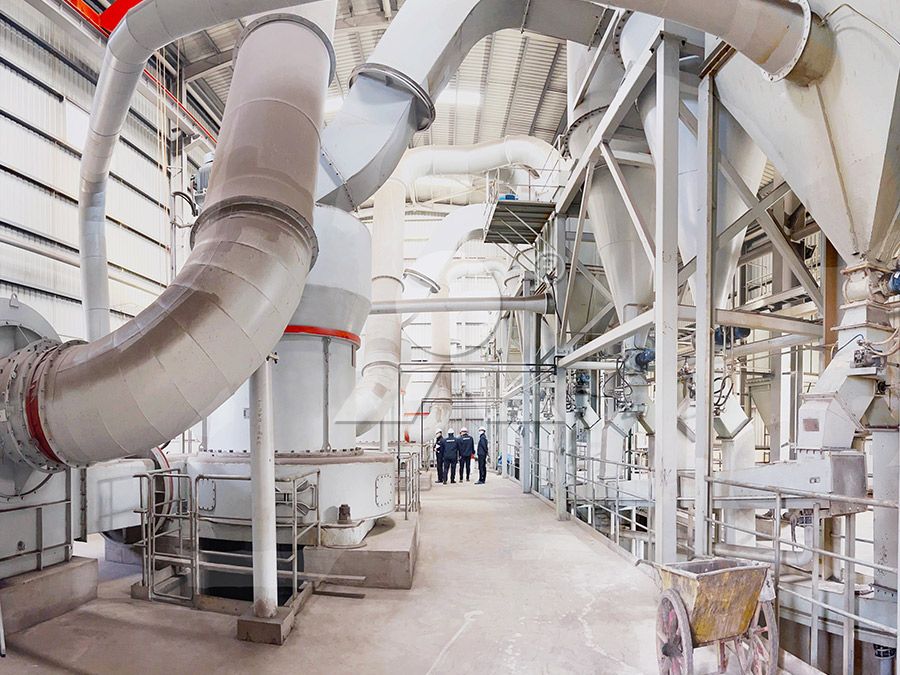
Ball Mill Manufacturers in Gujranwala Pakistan: A Comprehensive Guide
We provide a wide range of mills — including Raymond mill, trapezoidal mill, vertical mill, ultrafine mill, and ball mill, obtained ISO9001 international quality certification, EU CE certification, and Customs Union CU-TR certification. Suitable for processing minerals such as limestone, phosphate, quicklime, kaolin, talc, barite, bentonite, calcium carbonate, dolomite, coal, gypsum, clay, carbon black, slag, cement raw materials, cement clinker, and more.
The discharge range of these mills can be adjusted to meet specific processing needs, typically from 80-400 mesh, 600-3250 mesh, and can achieve the finest particle size of up to 6000 mesh(D50).
If you are looking for a reliable grinding solution to turn stone or minerals into fine powder, please feel free to contact our online customer service.
Ball Mill Manufacturers in Gujranwala Pakistan: A Comprehensive Guide
Gujranwala, a major industrial hub in Pakistan, is renowned for its robust manufacturing sector, particularly in machinery and equipment. Among the key players are ball mill manufacturers, catering to various industries such as cement, mining, and chemicals. This guide delves into the landscape of ball mill manufacturing in Gujranwala, highlighting technological advancements, key considerations, and why choosing the right equipment is crucial for operational efficiency.
The Industrial Backbone: Gujranwala’s Manufacturing Prowess
Gujranwala’s strategic location and industrial infrastructure have made it a focal point for heavy machinery production. Local manufacturers have decades of experience, combining traditional craftsmanship with modern engineering techniques. They produce ball mills that are not only cost-effective but also tailored to withstand Pakistan’s diverse industrial applications, from mineral processing to chemical production.
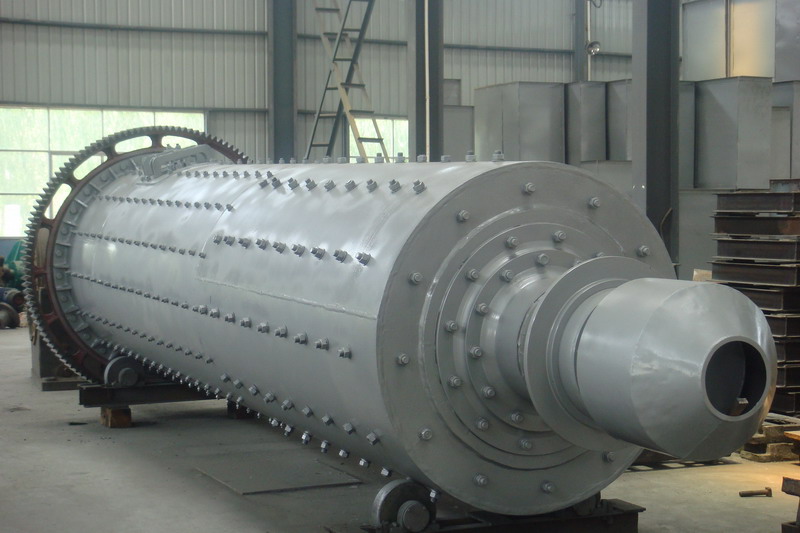
Key Considerations When Choosing a Ball Mill
Selecting the right ball mill involves several factors: capacity, material hardness, desired fineness, and energy consumption. While ball mills are versatile, newer technologies offer enhanced efficiency. For instance, traditional ball mills consume more energy and have higher wear rates compared to advanced grinding solutions. It’s essential to evaluate operational costs, maintenance requirements, and environmental impact.
Beyond Ball Mills: Advanced Grinding Solutions
While ball mills remain popular, industries are increasingly adopting ultrafine grinding technologies for higher productivity and lower energy use. For operations requiring ultra-fine powders (325-2500 meshes), the MW Ultrafine Grinding Mill is an excellent alternative. It features higher yielding capacity (0.5-25 tph) with 40% greater efficiency than jet mills and 30% lower energy consumption. Its innovative design includes no rolling bearings in the grinding chamber, reducing maintenance risks, and a pulse dust collector for eco-friendly operation. This mill is ideal for materials like limestone, calcite, and barite, making it a superior choice for chemical, paint, and cosmetics industries seeking precision and sustainability.
Why Partner with Reputable Manufacturers?
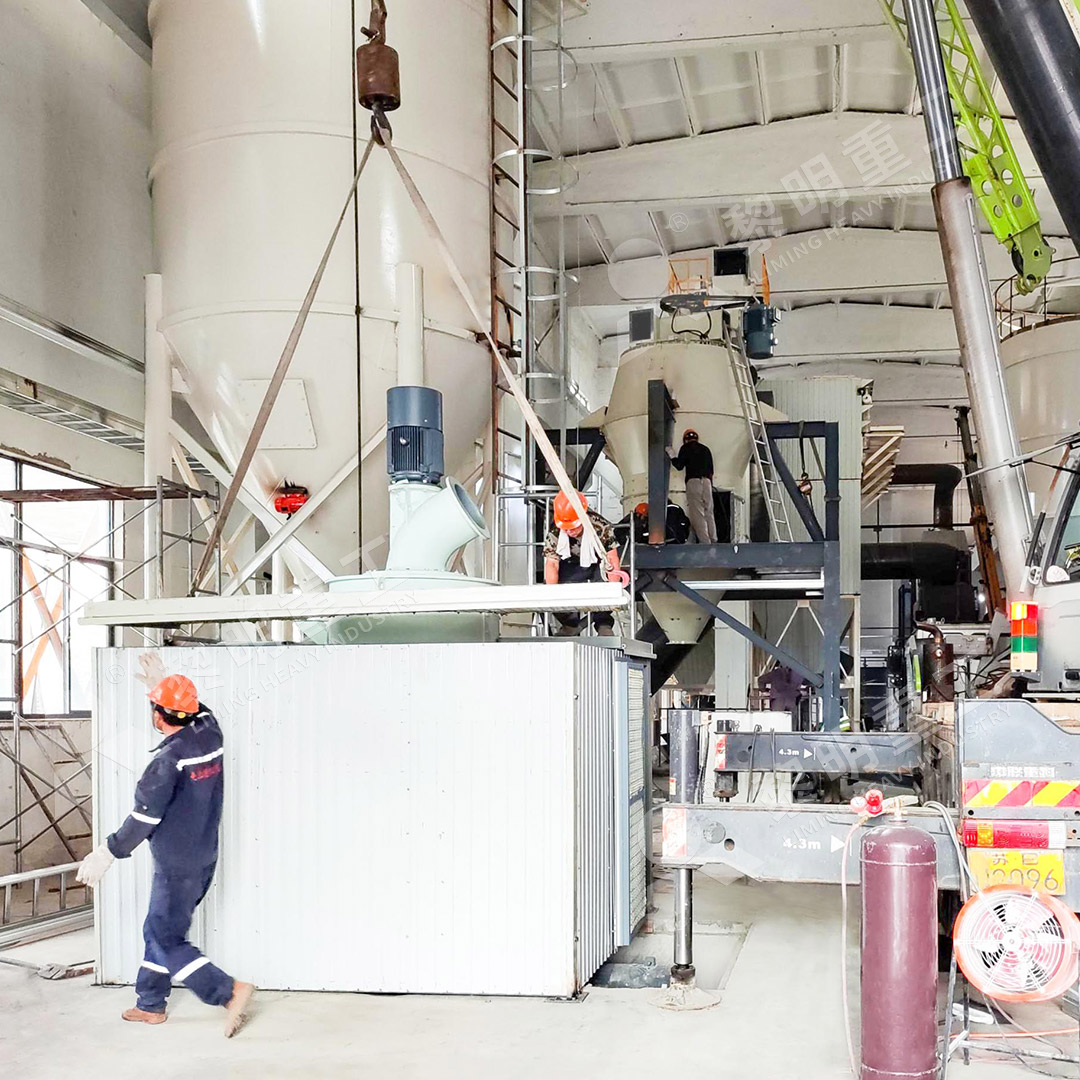
Collaborating with established manufacturers in Gujranwala ensures access to reliable technical support, genuine spare parts, and customized solutions. Look for providers with a proven track record, digitalized processing for high precision, and comprehensive after-sales services. This minimizes downtime and maximizes return on investment.
FAQ
- What industries in Pakistan commonly use ball mills?
Ball mills are widely used in cement, mining, chemical, and construction industries for grinding raw materials and achieving desired particle sizes. - How does the MW Ultrafine Grinding Mill compare to traditional ball mills?
The MW Mill offers higher efficiency (40% more output), lower energy consumption (30% less), and finer powder adjustment (325-2500 meshes), with reduced maintenance due to its no-bearing design. - What factors affect the choice of grinding mill in Gujranwala?
Key factors include material hardness, required fineness, production capacity, energy costs, and environmental regulations. Advanced mills like the MW series are preferred for ultra-fine applications. - Are there eco-friendly options available?
Yes, modern mills like the MW Ultrafine Grinding Mill incorporate pulse dust collectors and noise reduction features, complying with national environmental standards. - How can I ensure reliable operation and maintenance?
Choose manufacturers offering original spare parts and technical services. For instance, the MW Mill’s external lubrication system allows 24/7 operation without shutdowns.