
Cost to Set Up a Mini Cement Plant in Indonesia – Investment Guide
We provide a wide range of mills — including Raymond mill, trapezoidal mill, vertical mill, ultrafine mill, and ball mill, obtained ISO9001 international quality certification, EU CE certification, and Customs Union CU-TR certification. Suitable for processing minerals such as limestone, phosphate, quicklime, kaolin, talc, barite, bentonite, calcium carbonate, dolomite, coal, gypsum, clay, carbon black, slag, cement raw materials, cement clinker, and more.
The discharge range of these mills can be adjusted to meet specific processing needs, typically from 80-400 mesh, 600-3250 mesh, and can achieve the finest particle size of up to 6000 mesh(D50).
If you are looking for a reliable grinding solution to turn stone or minerals into fine powder, please feel free to contact our online customer service.
Understanding the Investment Landscape for a Mini Cement Plant in Indonesia
Establishing a mini cement plant in Indonesia is a strategic move for investors looking to capitalize on the nation’s robust construction and infrastructure development. The initial capital outlay is a primary concern, with costs varying significantly based on plant capacity, technology level, location, and the degree of automation. A conservative estimate for a modest setup with a production capacity of 100-200 tons per day can range from $500,000 to over $2 million. This investment typically covers land acquisition, civil works, machinery procurement, installation, and initial operational capital.
Key Cost Components Breakdown
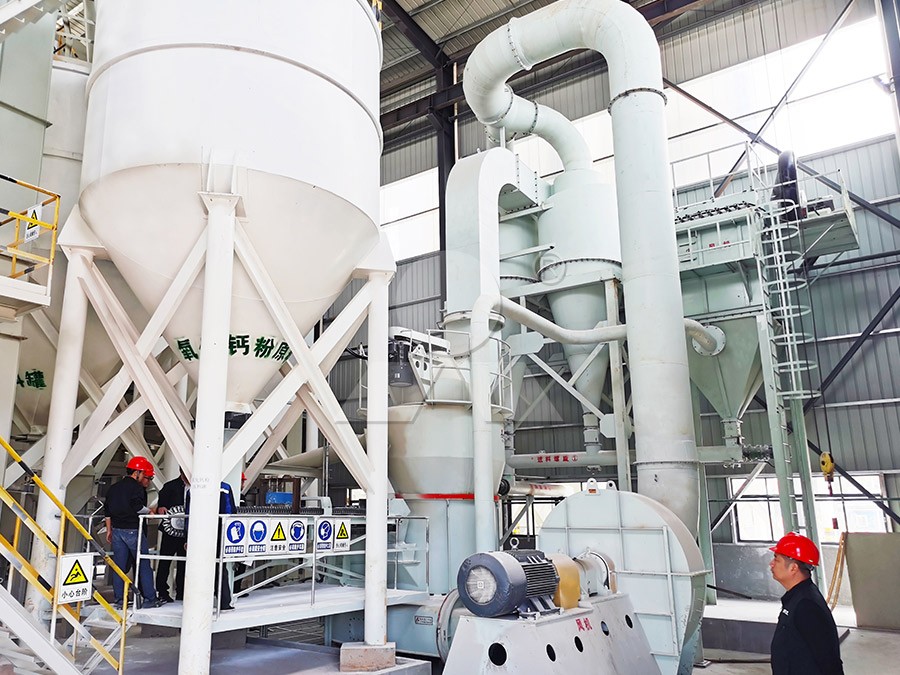
Breaking down the investment, several core areas demand careful financial planning. Land and site development form the foundation, with costs heavily influenced by proximity to raw materials like limestone and clay, as well as target markets. Machinery and equipment constitute the largest portion, often 40-50% of the total project cost. This includes crushers, raw mills, rotary kilns, cement mills, packing plants, and sophisticated dust collection systems. Opting for energy-efficient and environmentally compliant technology, while requiring a higher upfront cost, drastically reduces long-term operational expenses and ensures adherence to Indonesia’s evolving environmental regulations.
The Critical Role of Grinding Technology
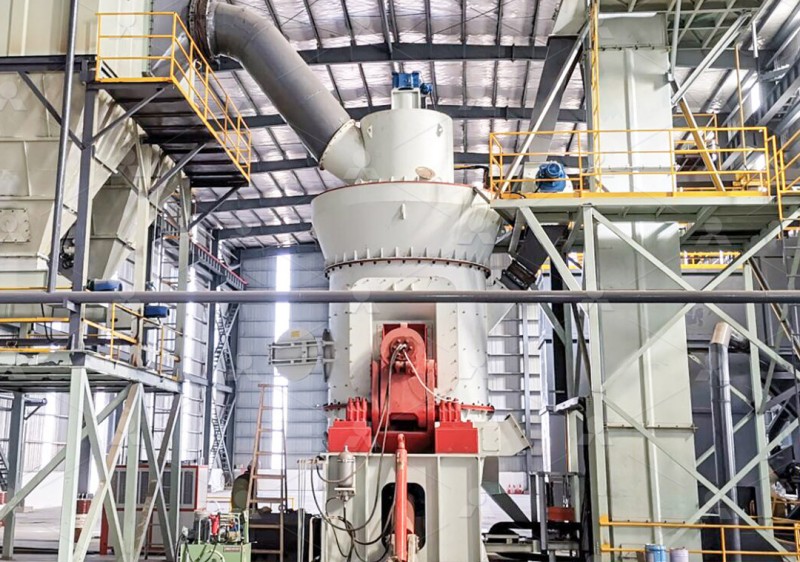
The heart of any cement plant lies in its grinding circuit, where clinker and additives are pulverized into the final cement product. The choice of grinding mill directly impacts product quality, energy consumption, and overall profitability. For investors seeking superior efficiency and lower operating costs, advanced vertical grinding mills present an ideal solution. A standout option for mini plants is our LUM Ultrafine Vertical Grinding Mill. This mill is engineered for high performance, integrating cutting-edge Taiwanese grinding roller technology and German powder separating technology. It offers remarkable energy savings of 30%-50% compared to traditional ball mills, features a unique reversible structure for easier maintenance, and ensures stable operation with its double position-limiting technology. Its ability to handle materials like limestone, calcite, and petroleum coal makes it perfectly suited for cement production.
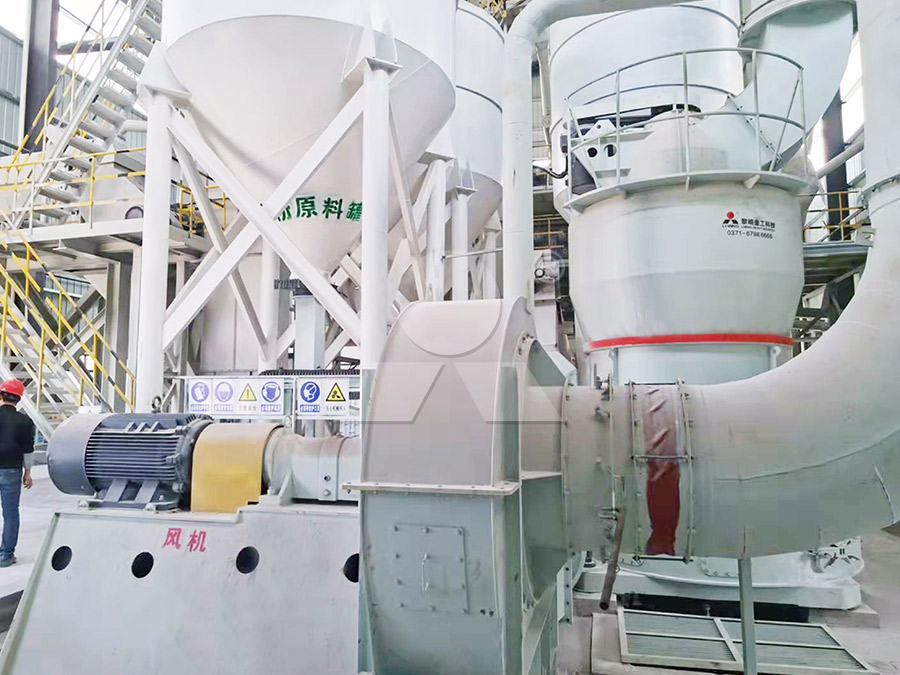
For operations requiring ultra-fine powder production or processing of a wider range of mineral additives, our MW Ultrafine Grinding Mill is another exceptional choice. It boasts higher yielding and lower energy consumption, with a production capacity 40% higher than jet mills. Its adjustable fineness between 325-2500 meshes and eco-friendly design with an efficient pulse dust collector make it a versatile and responsible investment for modern cement producers.
Navigating Regulatory and Operational Costs
Beyond hardware, investors must budget for permits, licenses, and environmental impact assessments mandated by Indonesian authorities. Labor costs, utility connections (power and water), and establishing a reliable supply chain for raw materials and packaging are ongoing operational expenses. A well-researched business plan that factors in these variables is crucial for securing financing and achieving a satisfactory return on investment.
Frequently Asked Questions (FAQ)
What is the typical payback period for a mini cement plant in Indonesia?
With efficient operation and a stable market, a well-planned mini cement plant can see a return on investment within 3 to 5 years, depending on local market prices and demand.
Are there government incentives for setting up such plants?
Yes, the Indonesian government often offers various incentives for industrial investment, particularly in regions outside Java. These can include tax allowances, import duty exemptions for machinery, and simplified licensing processes. It’s advisable to consult with the Indonesian Investment Coordinating Board (BKPM) for the latest policies.
How important is the choice of grinding mill for profitability?
Extremely important. The grinding mill is a core energy consumer. Investing in an efficient mill like the LUM or MW series significantly reduces electricity costs, which is a major operational expense, thereby directly enhancing long-term profitability and sustainability.
What is the minimum land area required?
A mini plant setup typically requires 1 to 2 hectares of land to comfortably accommodate the production line, raw material storage, finished product storage, and administrative offices.