
What is the Typical Diameter of Zinc Ore After Crushing and Milling?
We provide a wide range of mills — including Raymond mill, trapezoidal mill, vertical mill, ultrafine mill, and ball mill, obtained ISO9001 international quality certification, EU CE certification, and Customs Union CU-TR certification. Suitable for processing minerals such as limestone, phosphate, quicklime, kaolin, talc, barite, bentonite, calcium carbonate, dolomite, coal, gypsum, clay, carbon black, slag, cement raw materials, cement clinker, and more.
The discharge range of these mills can be adjusted to meet specific processing needs, typically from 80-400 mesh, 600-3250 mesh, and can achieve the finest particle size of up to 6000 mesh(D50).
If you are looking for a reliable grinding solution to turn stone or minerals into fine powder, please feel free to contact our online customer service.
Understanding Zinc Ore Particle Size Reduction
In mineral processing, achieving the optimal particle size for zinc ore after crushing and milling is critical for downstream operations like flotation or leaching. The journey from run-of-mine ore to a liberally ground powder involves several stages, each with specific size reduction goals.
Primary crushing typically reduces zinc ore from its initial size (which can be several feet across) to a diameter of about 150-250 mm. Secondary crushing then takes over, further reducing the ore to a more manageable 20-50 mm. It is at the milling stage—encompassing grinding—where the most significant size reduction occurs, targeting the liberation of zinc-bearing minerals from the gangue.
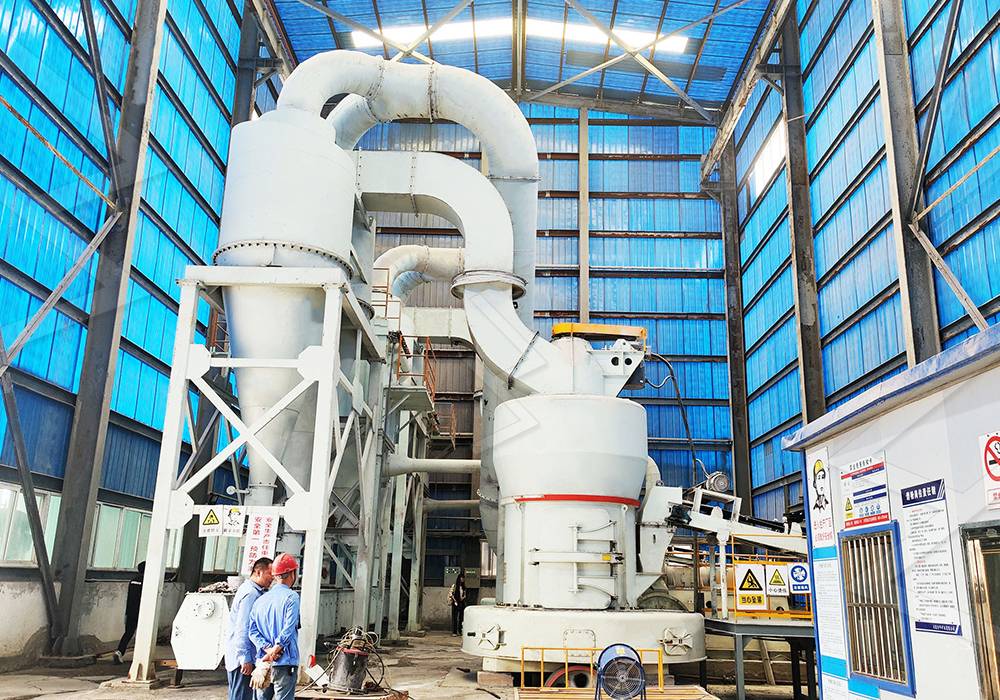
The Milling Stage: Achieving Liberation
The target final size after milling is not a single value but a distribution, finely tuned to maximize mineral liberation while minimizing energy consumption and overgrinding. For most zinc ores, the target grind size for effective flotation is typically in the range of 45 to 75 microns (d80 passing size), which is roughly 0.045 to 0.075 mm. In some cases, depending on the ore’s mineralogy and texture, a coarser or finer grind may be required.
This is where the selection of grinding equipment becomes paramount. Traditional ball mills can achieve this fineness but often with higher energy costs and a broader particle size distribution. For operations seeking greater efficiency and control, advanced grinding technologies offer significant advantages.
Precision Grinding for Optimal Zinc Recovery
Modern milling circuits demand equipment that provides not only the desired fineness but also consistency, energy efficiency, and operational reliability. For zinc ore processing, an ultrafine grinding mill can be a game-changer, especially for ores requiring a finer grind to unlock complex mineral associations.
Our MW Ultrafine Grinding Mill is expertly engineered to meet these challenges. Designed for customers who need to make ultra-fine powder, this mill is a robust solution for achieving precise and consistent particle sizes. With an input size of 0-20 mm and a capacity range of 0.5-25 tph, it perfectly fits into the circuit after secondary crushing.
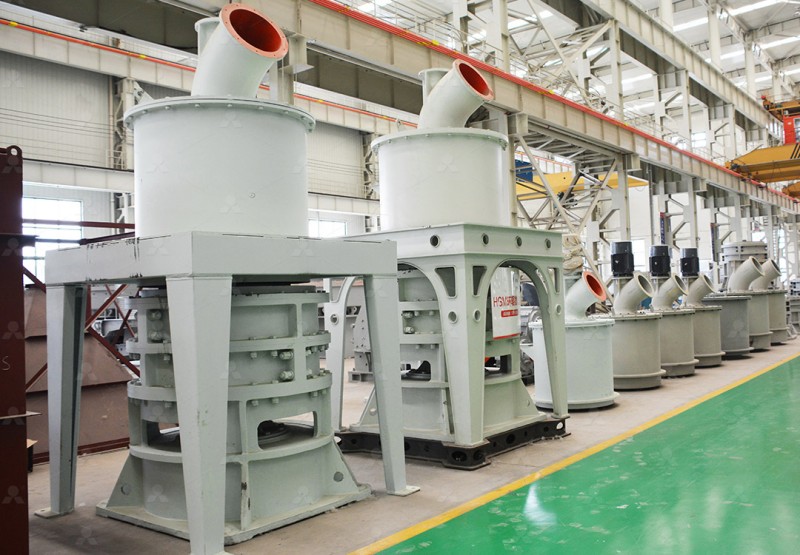
Key Advantages of the MW Mill for Zinc Processing:
- Adjustable Fineness (325-2500 meshes): Its advanced German cage-type powder selector allows for precise control over the final product size, crucial for hitting the sweet spot of zinc mineral liberation. You can achieve a consistent d97 ≤5μm.
- Higher Yielding, Lower Energy Consumption: Its innovative design enhances grinding efficiency, offering production capacity 40% higher than jet mills while reducing system energy consumption by up to 70% compared to traditional ball mills.
- Eco-Friendly & Reliable Operation: The integrated efficient pulse dust collector and muffler ensure compliance with environmental standards. Furthermore, the absence of rolling bearings and screws in the grinding chamber eliminates common failure points, ensuring worry-free, continuous 24/7 operation.
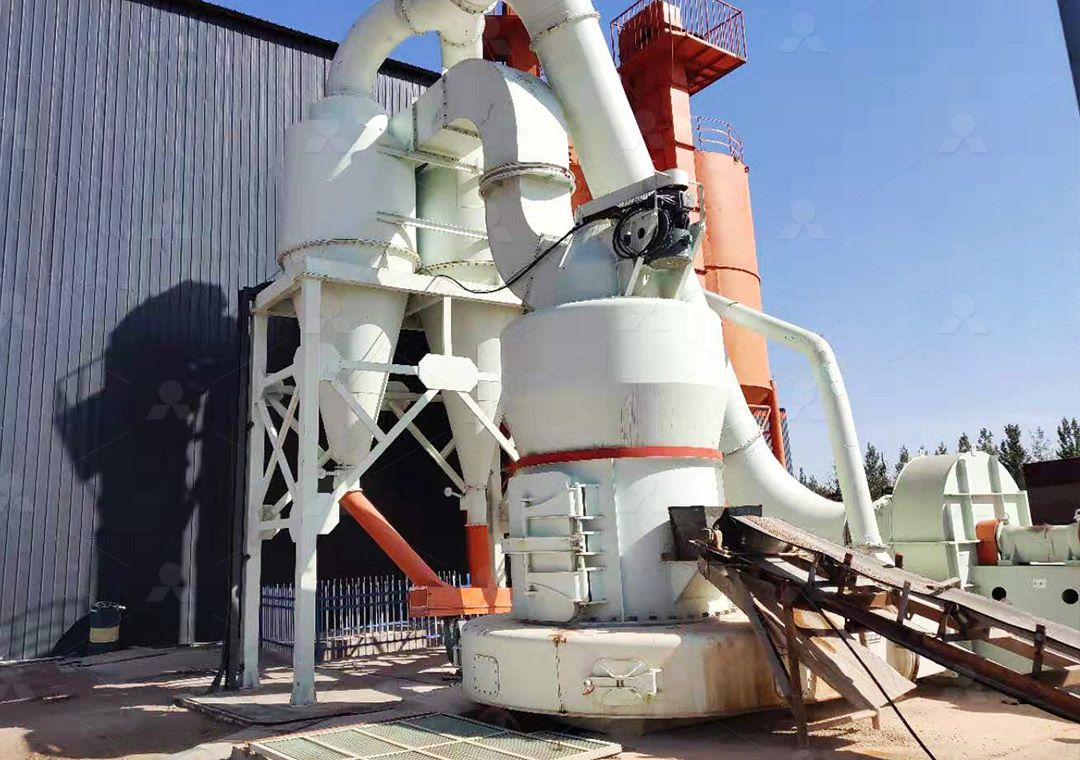
For operations with a slightly larger feed size or different capacity needs, our LUM Ultrafine Vertical Grinding Mill presents another excellent option. With an input size of 0-10 mm and a capacity of 5-18 tph, it integrates the latest grinding roller and powder separating technology for exceptional efficiency and stability.
Conclusion
The typical diameter of zinc ore after the complete crushing and milling circuit is a finely ground powder, with the majority of particles finer than 75 microns. Selecting the right grinding technology is essential to achieve this efficiently and profitably. By investing in advanced mills like the MW or LUM series, operations can ensure optimal mineral liberation, maximize recovery rates, and significantly reduce operating costs.
Frequently Asked Questions (FAQ)
What is the primary goal of milling zinc ore?
The primary goal is to liberate zinc-bearing minerals (like sphalerite) from the surrounding waste rock (gangue) by reducing the ore to a fine enough powder so that individual mineral particles can be separated in subsequent processes like flotation.
Why is particle size distribution important in zinc flotation?
A consistent and optimal particle size distribution ensures maximum liberation without overgrinding. Overgrinding creates ultra-fine (slime) particles that are difficult to recover, consume more reagents, and can hinder the flotation process, ultimately reducing overall zinc recovery.
Can the MW Ultrafine Grinding Mill handle other materials besides zinc ore?
Absolutely. The MW Mill is highly versatile and suitable for grinding a wide range of non-metallic minerals with Mohs hardness less than 7, including limestone, calcite, dolomite, barite, and talc, making it a valuable asset for various industrial applications.
How does the MW Mill contribute to lower operational costs?
It contributes through significantly lower energy consumption per ton of product, reduced maintenance due to its simple and robust design without internal bearings, and higher overall grinding efficiency leading to greater throughput.