
Introduction of Ball Mill Machine: Working Principle, Types, and Applications
We provide a wide range of mills — including Raymond mill, trapezoidal mill, vertical mill, ultrafine mill, and ball mill, obtained ISO9001 international quality certification, EU CE certification, and Customs Union CU-TR certification. Suitable for processing minerals such as limestone, phosphate, quicklime, kaolin, talc, barite, bentonite, calcium carbonate, dolomite, coal, gypsum, clay, carbon black, slag, cement raw materials, cement clinker, and more.
The discharge range of these mills can be adjusted to meet specific processing needs, typically from 80-400 mesh, 600-3250 mesh, and can achieve the finest particle size of up to 6000 mesh(D50).
If you are looking for a reliable grinding solution to turn stone or minerals into fine powder, please feel free to contact our online customer service.
Introduction of Ball Mill Machine: Working Principle, Types, and Applications
Ball mills are a cornerstone of modern industrial processing, designed for the fine grinding of a wide variety of materials. Their robust and relatively simple design has made them a reliable choice for decades in industries ranging from mining and cement to chemicals and ceramics. The fundamental purpose of a ball mill is to reduce particulate materials to a finer, more usable powder through impact and attrition.
Working Principle
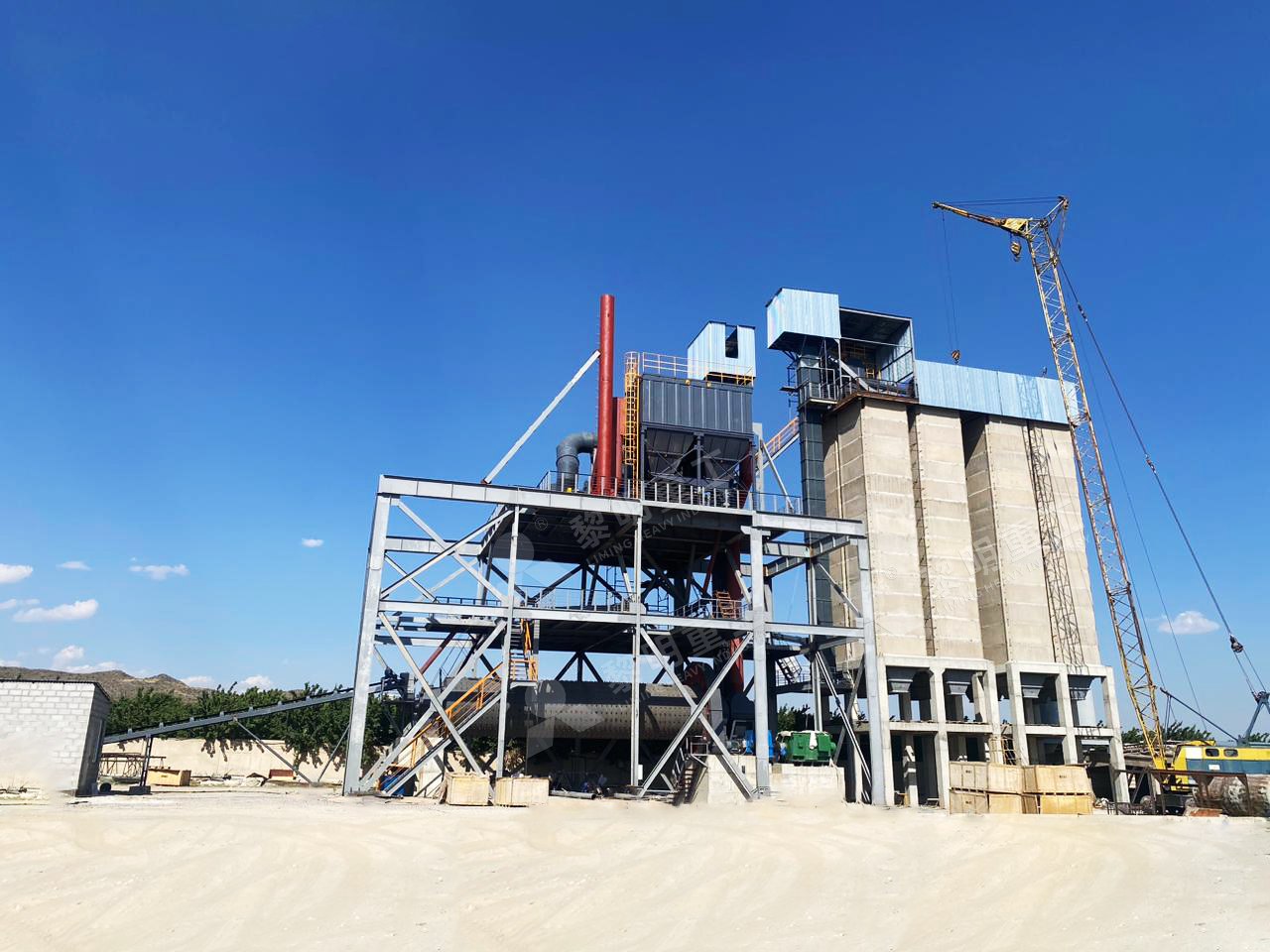
The operational principle of a ball mill is straightforward yet highly effective. It is a horizontal rotating device transmitted by an outer gear. Materials are fed into the mill chamber through a quill shaft uniformly. Inside the chamber, the material is mixed with grinding media—typically steel or ceramic balls. As the cylinder rotates, the centrifugal force causes these balls to be lifted to a certain height before they cascade and fall back down, impacting and grinding the material through a combination of forceful impact and friction. The ground material is then discharged through a grate plate, completing the grinding process. The fineness of the final product is influenced by the rotation speed, the size and type of grinding media, and the duration of milling.
Common Types of Grinding Mills
While the traditional ball mill is ubiquitous, technological advancements have led to the development of more specialized and efficient milling equipment. Two prominent categories include:
- Vertical Roller Mills (VRM): These mills use cylindrical rollers to compress and shear material against a rotating table. They are known for their significantly higher energy efficiency compared to traditional ball mills, integrating drying, grinding, and classifying in a single unit.
- Ultrafine Grinding Mills: Designed for producing powders with micron and sub-micron particle sizes, these mills often employ advanced classifying technology and unique grinding curve designs to achieve superior fineness and higher yields with lower energy consumption.
Applications Across Industries
The versatility of grinding mills makes them indispensable. Ball mills and their advanced counterparts are used to process:
- Minerals: Limestone, calcite, dolomite, barite, talc, marble.
- Industrial Raw Materials: Clinker for cement, coal for power generation, slag from steel production.
- Specialty Products: Ultra-fine powders for paints, cosmetics, pharmaceuticals, and food additives.
Modern Alternatives: Enhancing Efficiency and Output
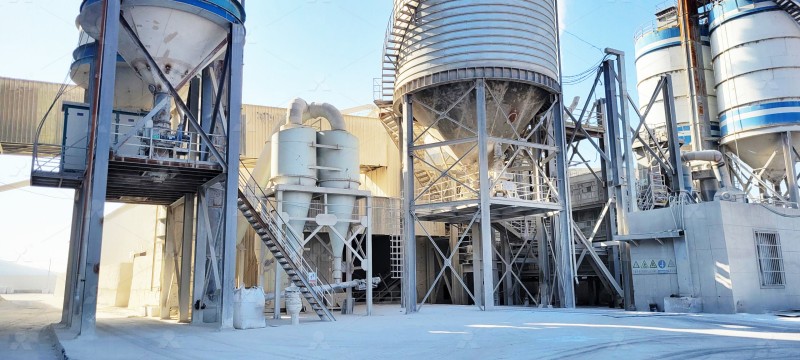
For operations requiring ultra-fine powders with superior efficiency, traditional ball mills can be complemented or replaced by more advanced technology. A prime example is our MW Ultrafine Grinding Mill. This machine is engineered for customers who need to make ultra-fine powder efficiently and cleanly.
The MW Mill is equipped with an efficient pulse dust collector and muffler, ensuring minimal dust and noise pollution for a more environmentally friendly operation. Its newly designed grinding curves for the roller and ring significantly enhance grinding efficiency. Offering adjustable fineness between 325-2500 meshes and a remarkable screening rate of d97≤5μm, it achieves a production capacity 40% higher than jet mills and double that of a standard ball mill, while reducing system energy consumption by up to 30%. Its unique design, with no rolling bearings or screws in the grinding chamber, eliminates common failure points and allows for external lubrication without shutdown, enabling continuous 24/7 production.
For operations seeking vertical grinding efficiency, our LUM Ultrafine Vertical Grinding Mill is another excellent solution. Integrating ultrafine powder grinding, grading, and transporting, it features advanced roller technology and multi-head powder separating technology for precise control over product fineness and significantly reduced energy consumption.
Frequently Asked Questions (FAQ)
What is the main difference between a Ball Mill and an Ultrafine Grinding Mill?
While both are used for size reduction, a traditional ball mill relies on tumbling media for impact and attrition and is often used for coarser grinds. An ultrafine grinding mill, like the MW Series, uses a different mechanical action with rollers and rings and incorporates advanced internal classifiers, allowing it to achieve much finer particle sizes (into the micron range) with greater energy efficiency and higher throughput.
How do I choose the right mill for my material?
The choice depends on your target particle size, material hardness, abrasiveness, required capacity, and whether the material needs to be dried during grinding. Our technical team can provide analysis and recommendations based on your specific sample and production goals.
Can your mills handle hard and abrasive materials?
Yes. Our mills, including the MW and LUM models, are constructed with wear-resistant alloys and feature designs that minimize wear on critical components. The absence of rolling bearings in the grinding chamber of the MW Mill, for instance, specifically protects against damage from abrasive materials.
What kind of after-sales support do you offer?
We take full responsibility for every machine we produce. We provide comprehensive technical services, a sufficient supply of original spare parts, and expert support to ensure your operation runs smoothly and without interruption, maximizing your investment’s uptime and productivity.