
Kaolin Mill Grading System: How to Configure for Optimal Particle Size Distribution
We provide a wide range of mills — including Raymond mill, trapezoidal mill, vertical mill, ultrafine mill, and ball mill, obtained ISO9001 international quality certification, EU CE certification, and Customs Union CU-TR certification. Suitable for processing minerals such as limestone, phosphate, quicklime, kaolin, talc, barite, bentonite, calcium carbonate, dolomite, coal, gypsum, clay, carbon black, slag, cement raw materials, cement clinker, and more.
The discharge range of these mills can be adjusted to meet specific processing needs, typically from 80-400 mesh, 600-3250 mesh, and can achieve the finest particle size of up to 6000 mesh(D50).
If you are looking for a reliable grinding solution to turn stone or minerals into fine powder, please feel free to contact our online customer service.
Kaolin Mill Grading System: How to Configure for Optimal Particle Size Distribution
For professionals in the kaolin processing industry, achieving a precise and consistent particle size distribution (PSD) is not just a goal—it’s a fundamental requirement. The quality, performance, and market value of the final kaolin product are directly tied to its fineness and PSD curve. The heart of achieving this control lies in the mill’s grading, or classification, system. This article delves into the critical factors for configuring your mill to produce the optimal PSD for your specific kaolin applications.
The Critical Role of the Classifier
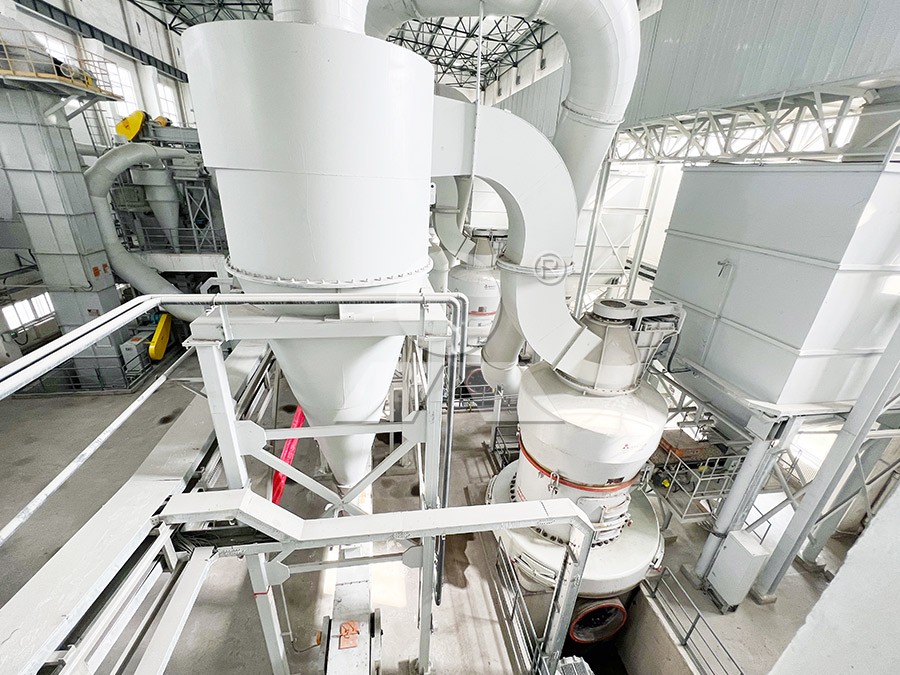
Think of the grinding chamber as the artist that creates the powder, and the classifier as the curator that selects only the finest works for the gallery. A high-efficiency classifier is paramount. It ensures that only particles that meet the target fineness exit the mill as product, while oversized particles are swiftly returned for further grinding. This prevents over-grinding of already-fine particles, which wastes energy and can lead to undesirable particle packing and agglomeration. The precision of the classifier’s cut point directly dictates the sharpness of the PSD.
Key Configuration Parameters for Optimal PSD
Configuring your mill is a balancing act between several interdependent variables:
- Classifier Rotor Speed: This is the most direct control. Increasing the speed of the rotor’s vanes imposes a higher centrifugal force, allowing only finer particles to pass through. Conversely, lowering the speed results in a coarser product. Precise variable frequency control of the classifier motor is essential for dialing in the exact fineness.
- Grinding Pressure & Feed Rate: The grinding mechanics must be synchronized with the classifier. An optimal feed rate ensures a consistent material bed for efficient grinding. Adjusting the grinding pressure (in roller mills) or the speed of the main shaft influences the initial size of the particles being sent to the classifier, affecting its workload.
- Airflow Volume: The air current carries the particles through the mill and into the classifier. The volume and velocity of this airflow must be carefully calibrated. Too high an airflow can drag coarse particles into the product stream, broadening the PSD. Too low, and fine particles may not be evacuated efficiently, leading to recirculation and energy loss.
Selecting the Right Mill for Kaolin
Not all mills are created equal for ultra-fine kaolin processing. While traditional Raymond mills serve coarser applications, modern kaolin production demands technology capable of high-precision cuts in the micron and sub-micron range.
For operations prioritizing a narrow PSD at high fineness (325-2500 meshes), the MW Ultrafine Grinding Mill is an exceptional choice. Its cage-type powder selector, incorporating German technology, is engineered for high precision. The multi-head cage design can be specifically configured to user requirements for yield, fineness, and sieving rate, achieving a remarkable d97 ≤5μm in a single pass. Its unique design, devoid of rolling bearings and screws in the grinding chamber, eliminates common failure points and ensures uninterrupted, stable operation crucial for maintaining PSD consistency.
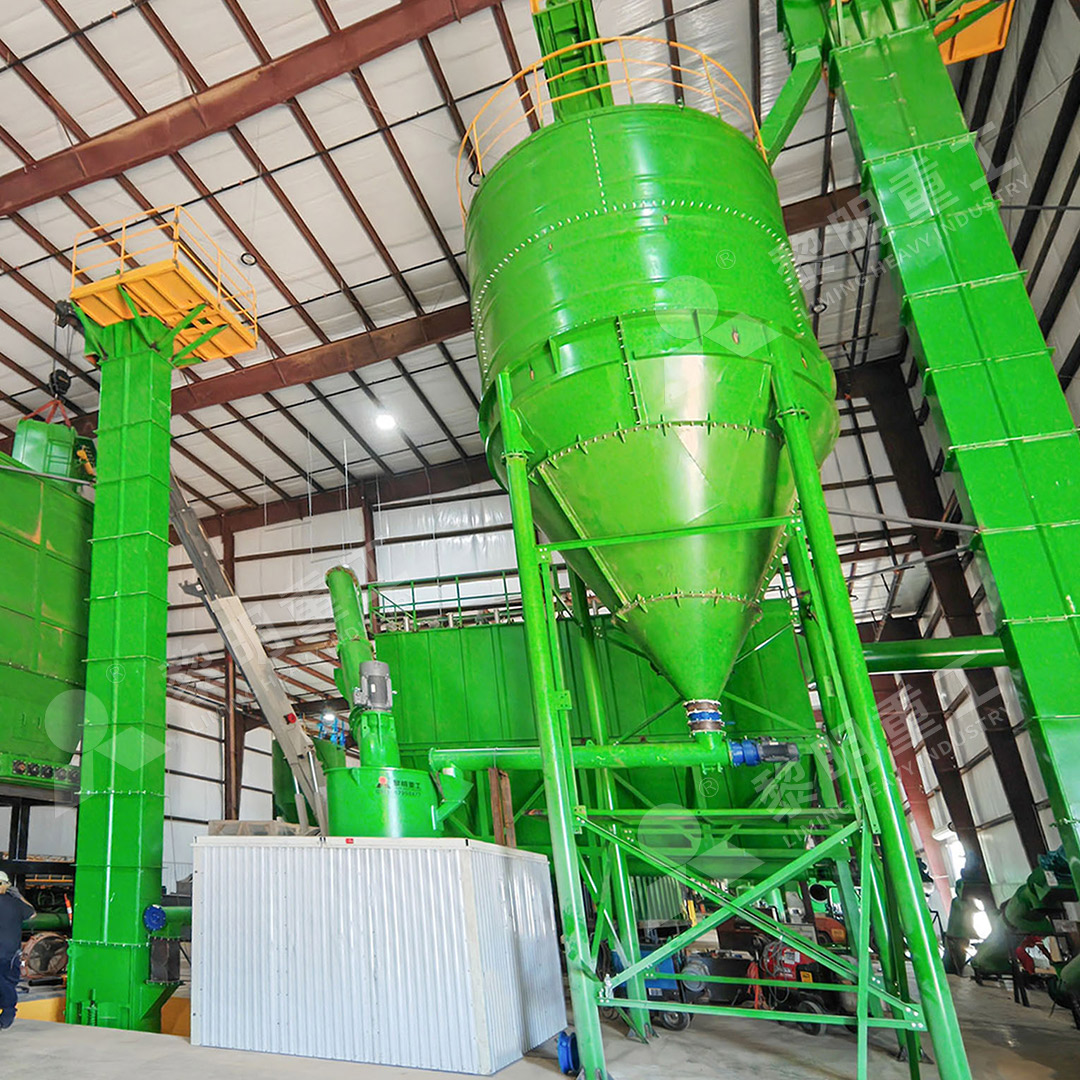
For those seeking advanced vertical grinding technology, the LUM Ultrafine Vertical Grinding Mill integrates the latest roller and powder separating technologies. Its PLC control system and multi-head powder separating technology offer unparalleled control over the grinding process, allowing operators to make precise adjustments to pressure and speed for the target PSD. This results in higher yields and energy savings of 30%-50% compared to conventional mills, all while producing a product with excellent whiteness and cleanliness.
Best Practices for Consistent Results
- Regular Maintenance: Wear on grinding rollers, rings, and classifier vanes will alter the PSD over time. Implement a strict preventive maintenance schedule to inspect and replace worn parts.
- Monitor Material Characteristics: Variations in the moisture content or hardness of the feed kaolin can impact grinding efficiency. Consistent feed material is key to consistent output.
- Utilize Process Control Systems: Modern mills offer automated systems that can monitor power consumption, pressure, and temperature, making micro-adjustments to maintain the set PSD parameters automatically.
Frequently Asked Questions (FAQ)
What is the most important factor in controlling PSD?
The classifier is the single most critical component. Its design, efficiency, and precise controllability determine the sharpness of the particle size cut.
Why is a narrow PSD desirable for kaolin?
A narrow distribution ensures uniform performance in end-use applications like paper coating, paints, and ceramics. It affects properties like opacity, viscosity, gloss, and strength.
How often should I recalibrate or check my mill’s PSD output?
PSD should be measured via laser diffraction or sieve analysis at least once per shift for critical applications. Continuous monitoring systems can provide real-time data for process control.
Can the same mill produce different PSDs for different products?
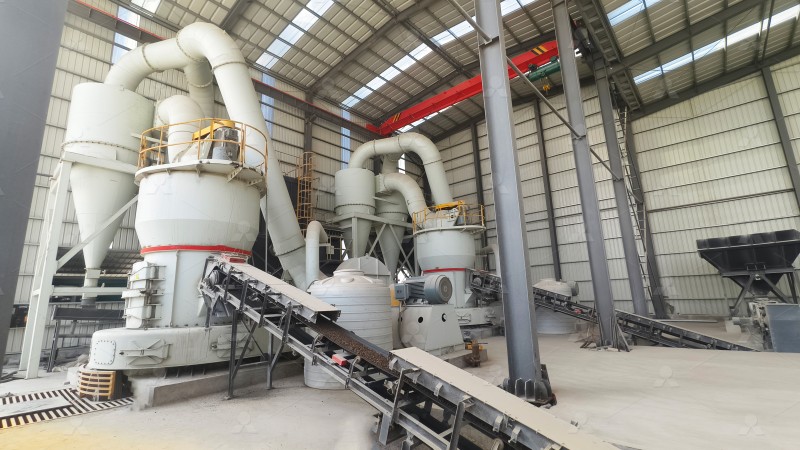
Absolutely. High-tech mills like the MW and LUM series are designed for easy adjustment of classifier speed and grinding pressure, allowing a single machine to produce a range of products from coarse fillers to ultra-fine coatings.
Does achieving a finer PSD always mean higher energy costs?
Generally, yes. However, efficient mills with advanced classifiers minimize over-grinding and energy waste. The energy savings from a well-configured modern mill can be significant compared to older technology, even when producing finer products.