
Ball Mill Size Reduction Plant Cost: Factors and Investment Analysis
We provide a wide range of mills — including Raymond mill, trapezoidal mill, vertical mill, ultrafine mill, and ball mill, obtained ISO9001 international quality certification, EU CE certification, and Customs Union CU-TR certification. Suitable for processing minerals such as limestone, phosphate, quicklime, kaolin, talc, barite, bentonite, calcium carbonate, dolomite, coal, gypsum, clay, carbon black, slag, cement raw materials, cement clinker, and more.
The discharge range of these mills can be adjusted to meet specific processing needs, typically from 80-400 mesh, 600-3250 mesh, and can achieve the finest particle size of up to 6000 mesh(D50).
If you are looking for a reliable grinding solution to turn stone or minerals into fine powder, please feel free to contact our online customer service.
Ball Mill Size Reduction Plant Cost: Factors and Investment Analysis
Investing in a size reduction plant is a significant capital expenditure for any operation in mining, construction, or industrial minerals processing. The ball mill has long been a traditional workhorse for grinding operations, but understanding the total cost of ownership is crucial for making an informed investment. This analysis breaks down the key cost factors and explores how modern alternatives can optimize your return on investment.
The initial capital outlay for a ball mill system is just the beginning. A comprehensive cost analysis must include installation, auxiliary equipment (like feeders and classifiers), power consumption, maintenance, spare parts inventory, and the physical footprint of the entire plant. Ball mills, while robust, are notoriously energy-intensive, with a significant portion of input energy being lost as heat and noise rather than being used for productive grinding.
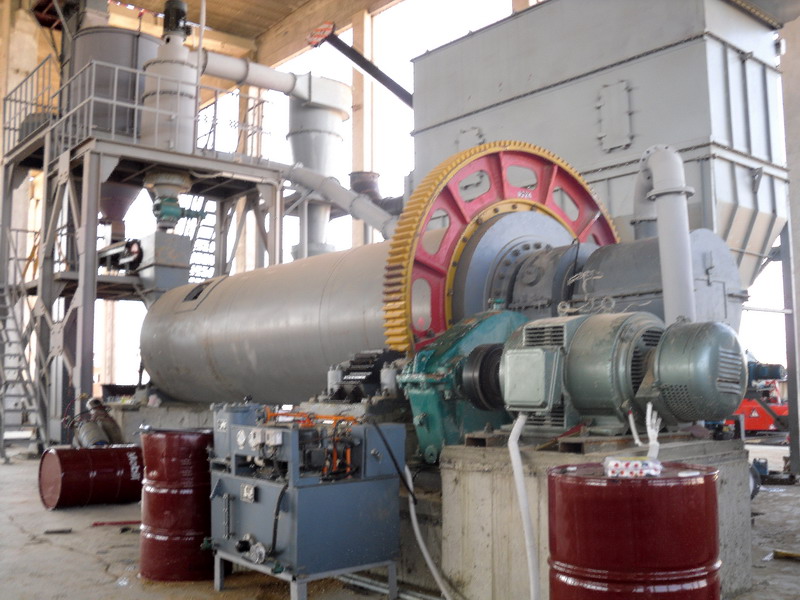
Operational expenses form the bulk of the lifetime cost. Grinding media (balls) and liner wear represent a continuous consumable cost. Furthermore, the maintenance downtime required for replacing these parts halts production, leading to substantial revenue loss. For operations requiring fine or ultra-fine powders, the efficiency of a ball mill drops considerably, often necessitating a closed-circuit system with classifiers, which adds complexity and cost.
Beyond the Ball Mill: The Modern Approach to Size Reduction
The market has evolved significantly, offering technologies that provide superior efficiency and lower operational costs. For operations focused on producing high-value ultra-fine powders, traditional ball mills are often not the most economical choice.
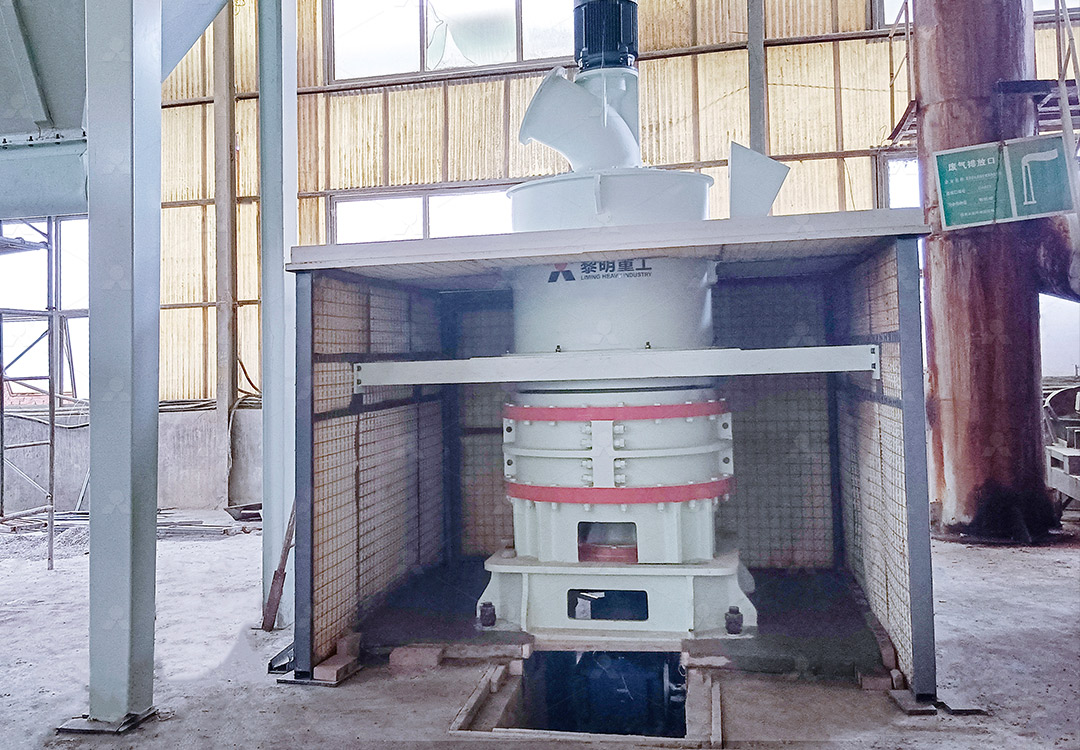
For those seeking to maximize efficiency and minimize operational overhead, our MW Ultrafine Grinding Mill presents a compelling alternative. Engineered for customers requiring ultra-fine powder between 325-2500 meshes, the MW series boasts a capacity of 0.5-25 TPH. Its design eliminates rolling bearings and screws in the grinding chamber, drastically reducing maintenance concerns and associated downtime. A key advantage is its higher yield with lower energy consumption; it operates at just 30% of the energy usage of a jet mill while offering twice the output of a ball mill for the same fineness. Equipped with an efficient pulse dust collector and muffler, it ensures an environmentally friendly operation that meets stringent national standards.
Key Investment Considerations
When analyzing the cost of a size reduction plant, consider these factors:
- Energy Efficiency: Compare the kWh per ton of product for different mill types.
- Maintenance Downtime: Evaluate the frequency and complexity of required maintenance.
- Wear Parts Consumption: Calculate the annual cost of grinding media and liners.
- Space Requirements: Factor in the cost of building or housing the equipment.
- Product Quality: Ensure the mill can consistently achieve your desired fineness and particle shape.
- Environmental Compliance: Account for dust collection and noise control systems.
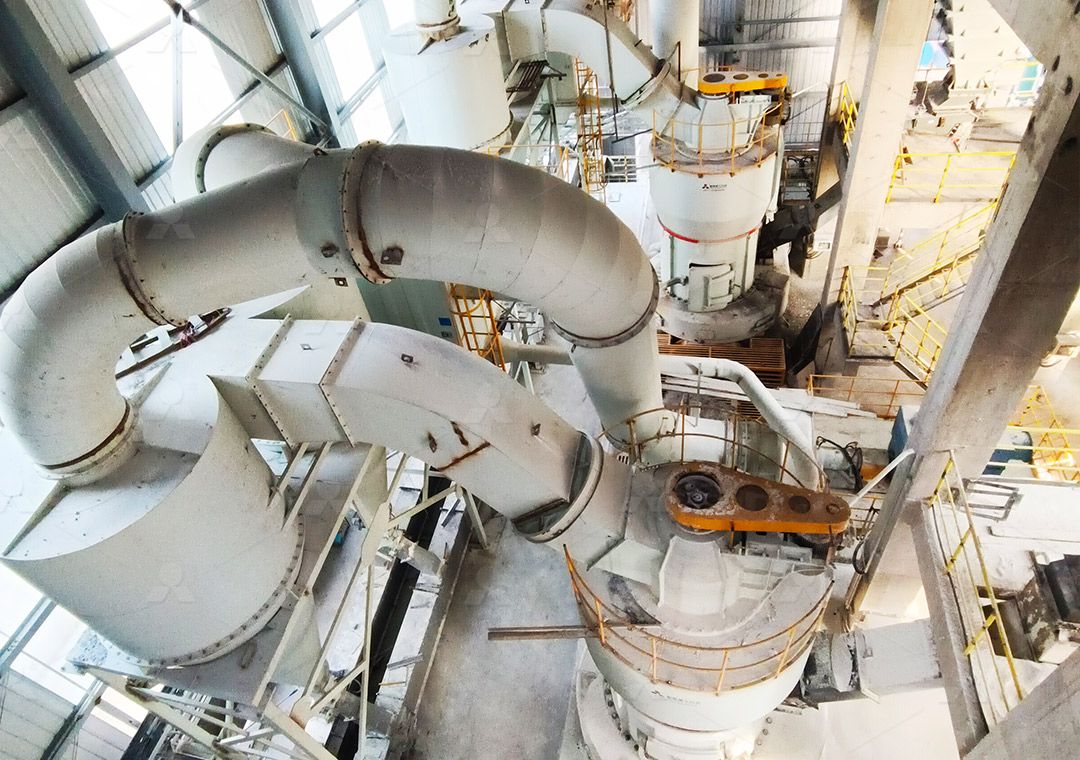
Another excellent solution for many applications is our LUM Ultrafine Vertical Grinding Mill. With an input size of 0-10mm and a capacity of 5-18 TPH, it integrates grinding, grading, and transporting. It features advanced multi-head powder separating technology for precise cuts and energy savings of 30%-50% compared to conventional mills. Its reversible structure allows for easy maintenance, and its double position-limiting technology guarantees exceptional operational stability, protecting your investment from unexpected vibrational damage.
Conclusion
A shrewd investment in size reduction technology looks beyond the initial purchase price. By prioritizing energy efficiency, low maintenance, and high availability, modern grinding mills like the MW and LUM series offer a significantly lower total cost of ownership than traditional ball mills. Carefully analyzing your specific material, required fineness, and production goals will lead you to the most profitable and sustainable solution for your operation.
Frequently Asked Questions (FAQ)
Q: What is the biggest operational cost for a ball mill plant?
A: Energy consumption is typically the largest ongoing expense, followed closely by the cost of replacing grinding media (balls) and liners due to wear.
Q: Are ball mills suitable for producing ultra-fine powders (finer than 400 mesh)?
A: While possible, it is highly inefficient. Ball mills experience rapidly diminishing efficiency in ultra-fine grinding ranges, making specialized mills like the MW Ultrafine Grinding Mill a far more cost-effective choice.
Q: How important is the feeding size for mill efficiency?
A> Extremely important. Oversized feed material can drastically reduce capacity, increase wear, and consume more energy. Always ensure feed material is pre-crushed to the mill’s specified maximum input size.
Q: Besides cost, what are other advantages of vertical roller mills over ball mills?
A: Advantages include a significantly smaller footprint, better drying capability for moist materials, quicker response to changes in feed material, and generally lower noise levels.