
Dispersion Research on Carbon Black Powder Production for Coatings
We provide a wide range of mills — including Raymond mill, trapezoidal mill, vertical mill, ultrafine mill, and ball mill, obtained ISO9001 international quality certification, EU CE certification, and Customs Union CU-TR certification. Suitable for processing minerals such as limestone, phosphate, quicklime, kaolin, talc, barite, bentonite, calcium carbonate, dolomite, coal, gypsum, clay, carbon black, slag, cement raw materials, cement clinker, and more.
The discharge range of these mills can be adjusted to meet specific processing needs, typically from 80-400 mesh, 600-3250 mesh, and can achieve the finest particle size of up to 6000 mesh(D50).
If you are looking for a reliable grinding solution to turn stone or minerals into fine powder, please feel free to contact our online customer service.
Dispersion Research on Carbon Black Powder Production for Coatings
The production of high-performance coatings demands exceptional dispersion characteristics, particularly when incorporating challenging pigments like carbon black. Achieving optimal dispersion is not merely a matter of particle size reduction; it involves de-agglomerating primary particles and stabilizing them within a formulation to prevent re-agglomeration. This process directly impacts critical coating properties such as color strength, gloss, durability, and weather resistance. Inconsistent or poor dispersion can lead to defects, reduced opacity, and compromised long-term performance.
The Central Role of Grinding Technology
Effective dispersion begins with the comminution process. The choice of grinding mill is paramount, as it must deliver a narrow particle size distribution with minimal energy input to avoid degrading the material. For carbon black, which is notoriously difficult to disperse due to its strong agglomerative tendencies and high surface area, traditional milling systems often fall short. They can introduce excessive heat, cause contamination from wear parts, or fail to achieve the requisite fineness consistently.
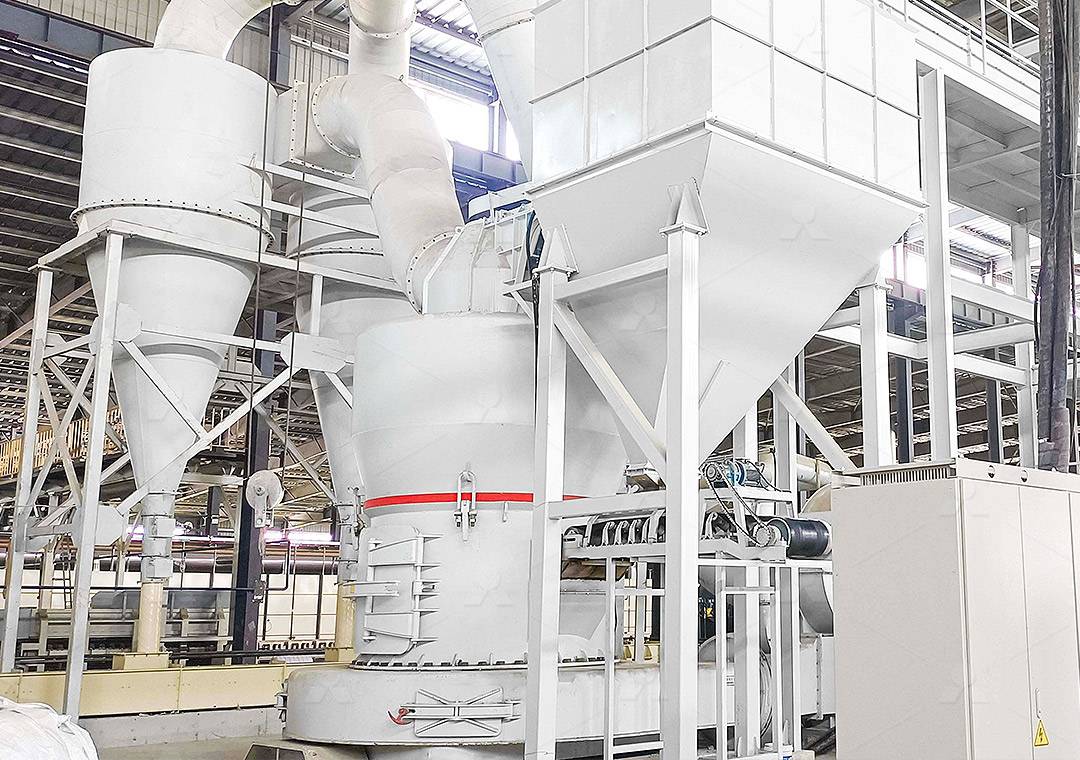
Modern grinding technology addresses these challenges through precision engineering. Key considerations include the grinding mechanism (compression, impact, or attrition), the efficiency of the internal classification system, and the ability to control heat generation. A superior mill will generate a high shear force to break apart agglomerates while a sophisticated classifier immediately removes particles that have reached the target size, preventing over-grinding and ensuring a uniform output.
Introducing the MW Ultrafine Grinding Mill for Superior Carbon Black Processing
For coatings manufacturers seeking to elevate their carbon black dispersion, the MW Ultrafine Grinding Mill presents an ideal solution. Engineered specifically for producing ultra-fine powders, this mill excels where others struggle.
Its design incorporates a German-technology, multi-head cage-type powder selector, allowing for precise fineness adjustment between 325 and 2500 meshes. This is critical for carbon black, where achieving a consistent d97 ≤5μm is often a requirement for deep jet-black coatings and conductive applications. Furthermore, the mill’s innovative design eliminates rolling bearings and screws within the grinding chamber. This is a significant advantage, as it entirely removes the risk of bearing failure or contamination from loose hardware—a common pain point that can introduce metallic impurities and ruin an entire batch.
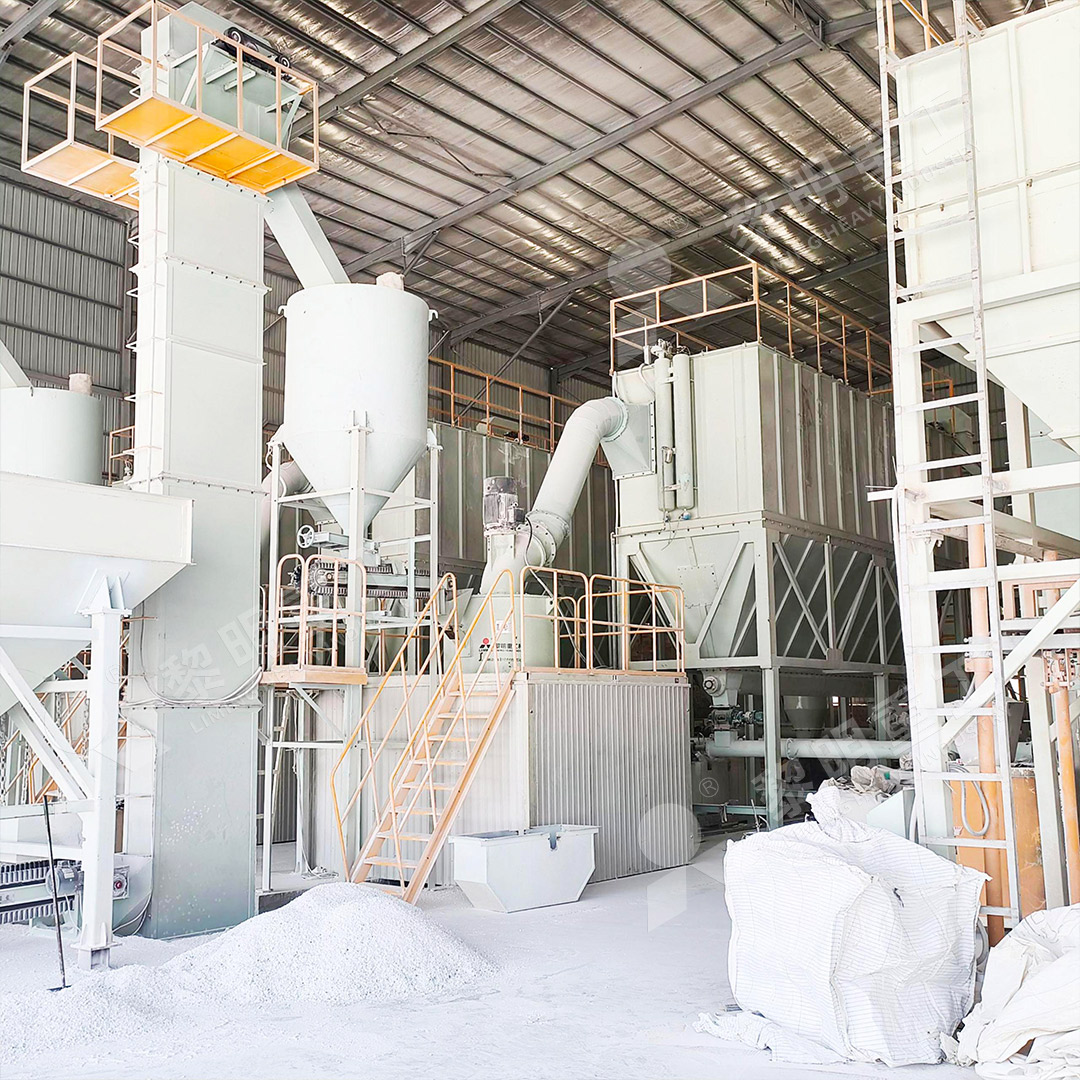
Operational efficiency is another hallmark of the MW Mill. It boasts a 40% higher production capacity compared to jet mills and double that of ball mills for the same power consumption, translating to lower energy costs per ton. The integrated efficient pulse dust collector and muffler ensure the entire production process is contained, meeting stringent environmental standards by eliminating dust pollution and reducing operational noise, making it suitable for modern, clean industrial facilities.
Advanced Alternative: The LUM Ultrafine Vertical Grinding Mill
For operations requiring even higher efficiency on a larger scale, the LUM Ultrafine Vertical Grinding Mill is a formidable alternative. Integrating the latest roller technology and German powder separating technology, the LUM mill is a masterpiece of efficiency and stability.
Its unique roller shell and lining plate grinding curve are designed to form a material layer easily, enabling a high rate of finished product in a single pass. This reduces residence time in the mill, which minimizes the iron content in the final powder—a crucial factor for maintaining the purity and whiteness of base materials often mixed with carbon black. The LUM mill also features double position-limiting technology, which electronically and mechanically prevents destructive contact between the roller and millstone, guaranteeing exceptional operational stability even under variable feed conditions.
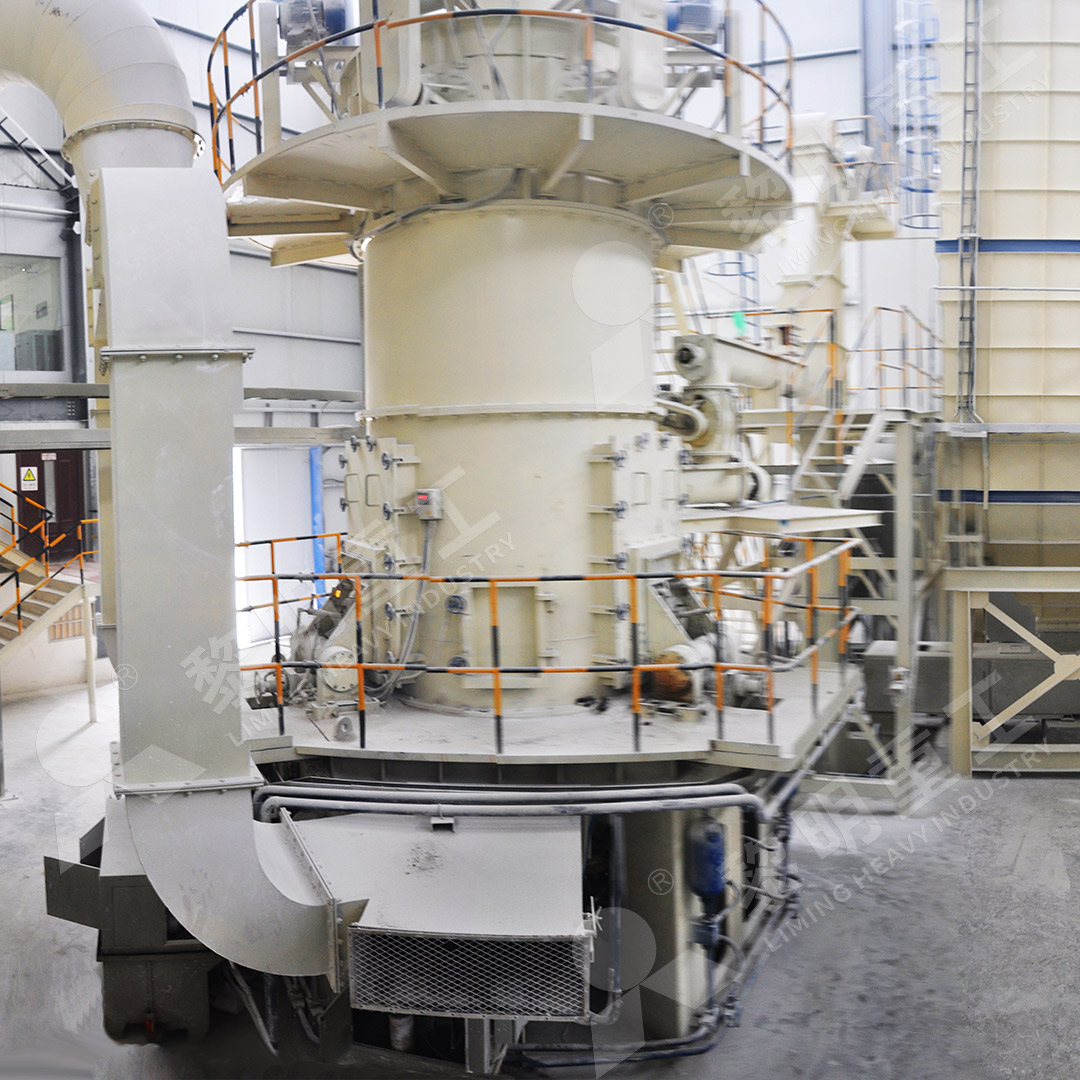
Both the MW and LUM mills are supported by LIMING’s commitment to digitalized processing for high precision and a sufficient supply of original spare parts, ensuring worry-free, continuous operation essential for meeting tight production schedules.
Conclusion
The pursuit of perfect dispersion in carbon black for coatings is a technical challenge that hinges on selecting the right grinding technology. It requires equipment that offers precision, reliability, and cleanliness. By investing in advanced milling solutions like the MW Ultrafine Grinding Mill or the LUM Ultrafine Vertical Grinding Mill, manufacturers can achieve unparalleled dispersion quality, enhance their final product performance, and optimize their production economics.
Frequently Asked Questions
- Why is achieving a narrow particle size distribution so important for carbon black in coatings?
A narrow distribution ensures uniform color strength, gloss, and physical properties throughout the coating. It prevents larger agglomerates from creating surface defects and ensures consistent rheology and stability in the can. - How does the MW Ultrafine Grinding Mill prevent contamination of the carbon black powder?
The mill is designed with no rolling bearings or screws inside the grinding chamber. This eliminates the primary sources of metallic wear and contamination, ensuring a pure final product crucial for high-value coatings. - What makes the LUM Mill particularly suitable for large-scale, continuous production?
The LUM Mill’s reversible structure allows for easy and rapid maintenance of heavy grinding rollers without complex disassembly. Combined with its high efficiency (30-50% lower energy consumption) and stable operation from double position-limiting technology, it minimizes downtime and maximizes output. - Can these mills handle other materials besides carbon black?
Absolutely. Both the MW and LUM mills are highly versatile and are commonly used for a wide range of non-metallic minerals, including limestone, calcite, talc, and barite, making them valuable assets for any operation processing powder for coatings, plastics, or chemicals.