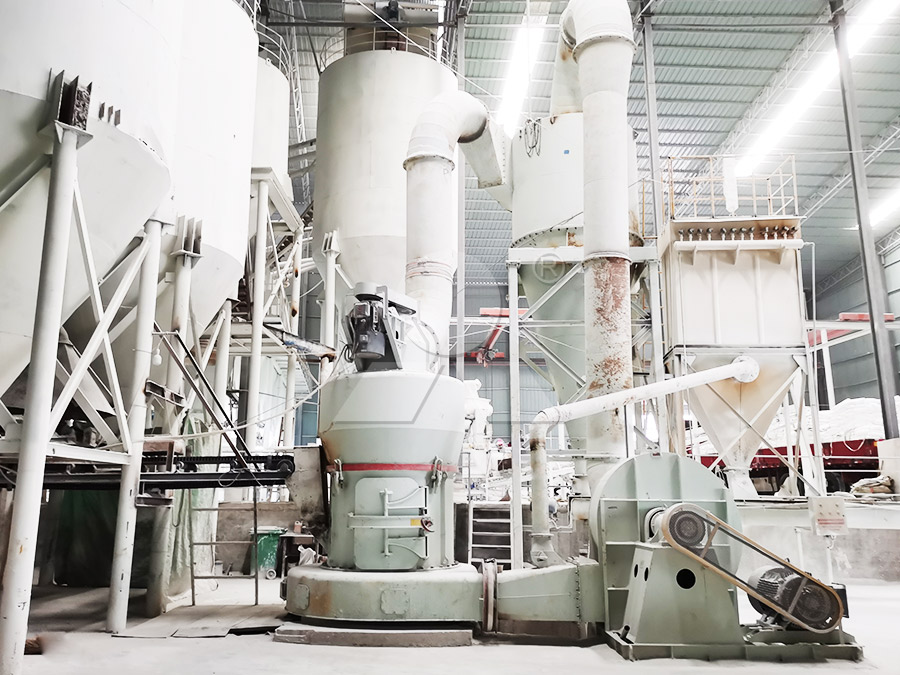
Process for Producing Carbon Black Powder for Pigment Coatings
We provide a wide range of mills — including Raymond mill, trapezoidal mill, vertical mill, ultrafine mill, and ball mill, obtained ISO9001 international quality certification, EU CE certification, and Customs Union CU-TR certification. Suitable for processing minerals such as limestone, phosphate, quicklime, kaolin, talc, barite, bentonite, calcium carbonate, dolomite, coal, gypsum, clay, carbon black, slag, cement raw materials, cement clinker, and more.
The discharge range of these mills can be adjusted to meet specific processing needs, typically from 80-400 mesh, 600-3250 mesh, and can achieve the finest particle size of up to 6000 mesh(D50).
If you are looking for a reliable grinding solution to turn stone or minerals into fine powder, please feel free to contact our online customer service.
Process for Producing Carbon Black Powder for Pigment Coatings
Carbon black powder is a critical component in the pigment coatings industry, prized for its intense color, UV resistance, and durability. The production process must ensure ultra-fine particle size, consistent quality, and environmental compliance. This article outlines the key steps and technologies involved in manufacturing high-grade carbon black powder for coatings.
The journey begins with the selection of raw carbon black feedstock, typically derived from the thermal decomposition of hydrocarbons. This material is initially crushed to a manageable size, usually below 20mm, to prepare it for fine grinding. The heart of the process lies in the grinding stage, where achieving the desired fineness—often between 325 and 2500 meshes—is paramount for optimal pigment performance.
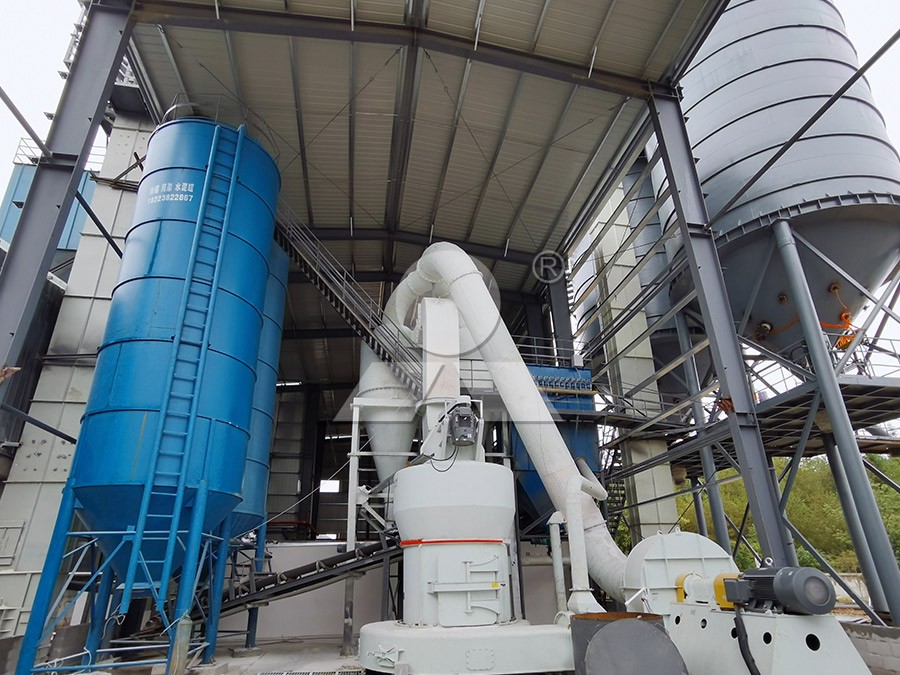
Traditional methods like ball mills or Raymond mills can be used, but for superior efficiency and finer outputs, advanced ultrafine grinding technologies are preferred. These systems integrate grinding, classifying, and conveying into a seamless, automated operation. A critical feature is the inclusion of efficient dust collection and noise reduction systems to meet strict environmental standards.
For producers seeking exceptional results, we highly recommend our MW Ultrafine Grinding Mill. Designed for customers requiring ultra-fine powder, it handles input sizes up to 20mm with a capacity range of 0.5-25 tph. Its cage-type powder selector, based on German technology, allows precise fineness adjustment between 325-2500 meshes, achieving a screening rate of d97≤5μm in a single pass. Moreover, it operates with higher yield and lower energy consumption—40% more efficient than jet mills and 30% lower system energy use. The absence of rolling bearings and screws in the grinding chamber minimizes maintenance risks, while the pulse dust collector ensures eco-friendly, dust-free operation.
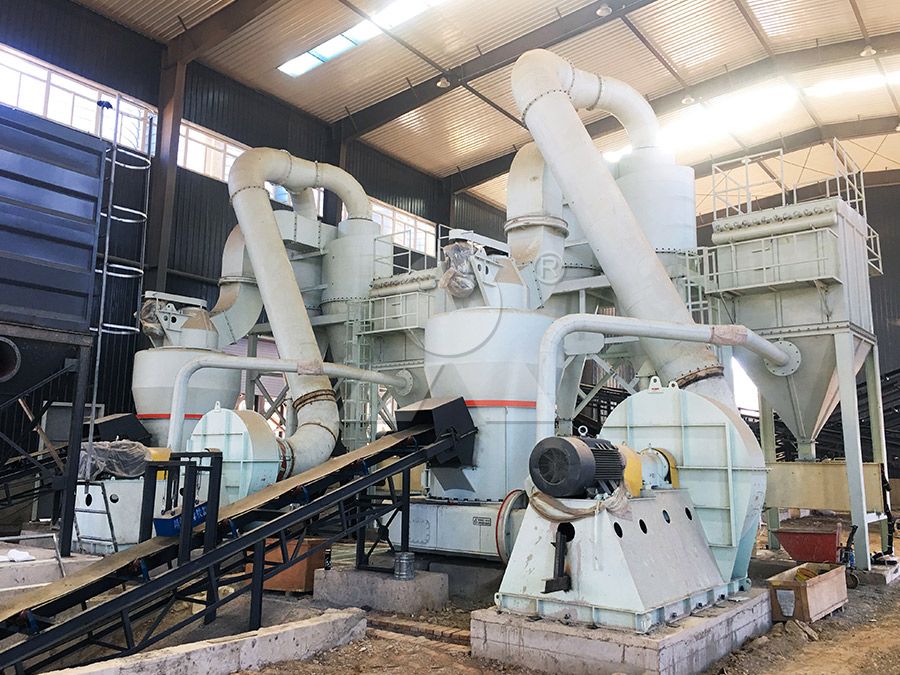
After grinding, the powder undergoes classification to separate particles by size, ensuring uniformity. The final product is then collected, packaged, and tested for quality parameters like particle size distribution, tinting strength, and dispersion properties. Throughout this process, digital control systems maintain precision and consistency.
Another excellent option for large-scale production is our LUM Ultrafine Vertical Grinding Mill. It combines Taiwanese grinding roller technology with German powder separating tech, offering inputs up to 10mm and capacities of 5-18 tph. Its multi-head powder separator and PLC control enable energy savings of 30-50% compared to conventional mills, along with easier maintenance via a reversible structure. This mill is ideal for achieving high whiteness and cleanliness in finished powders.
In summary, producing carbon black powder for coatings demands a blend of advanced technology, precision engineering, and environmental consciousness. By leveraging modern grinding mills, manufacturers can achieve the fine, consistent quality required for high-performance pigments.
Frequently Asked Questions (FAQ)
Q: What fineness can be achieved with your grinding mills for carbon black?
A: Our MW Ultrafine Grinding Mill can produce powder between 325-2500 meshes, with a screening rate of d97≤5μm, ideal for pigment applications.
Q: How does the MW mill reduce environmental impact?
A: It features a pulse dust collector and muffler system, minimizing dust and noise pollution, and operates in compliance with national environmental standards.
Q: What is the capacity range for your recommended mills?
A: The MW mill handles 0.5-25 tph, while the LUM vertical mill offers 5-18 tph, catering to various production scales.
Q: Are these mills suitable for other materials besides carbon black?
A: Yes, they can process materials like limestone, calcite, gypsum, and more, making them versatile for multiple industries.