
Disposal of Old Milling Machine in Indonesia: Options and Services
We provide a wide range of mills — including Raymond mill, trapezoidal mill, vertical mill, ultrafine mill, and ball mill, obtained ISO9001 international quality certification, EU CE certification, and Customs Union CU-TR certification. Suitable for processing minerals such as limestone, phosphate, quicklime, kaolin, talc, barite, bentonite, calcium carbonate, dolomite, coal, gypsum, clay, carbon black, slag, cement raw materials, cement clinker, and more.
The discharge range of these mills can be adjusted to meet specific processing needs, typically from 80-400 mesh, 600-3250 mesh, and can achieve the finest particle size of up to 6000 mesh(D50).
If you are looking for a reliable grinding solution to turn stone or minerals into fine powder, please feel free to contact our online customer service.
Navigating the Disposal of Your Outdated Milling Equipment in Indonesia
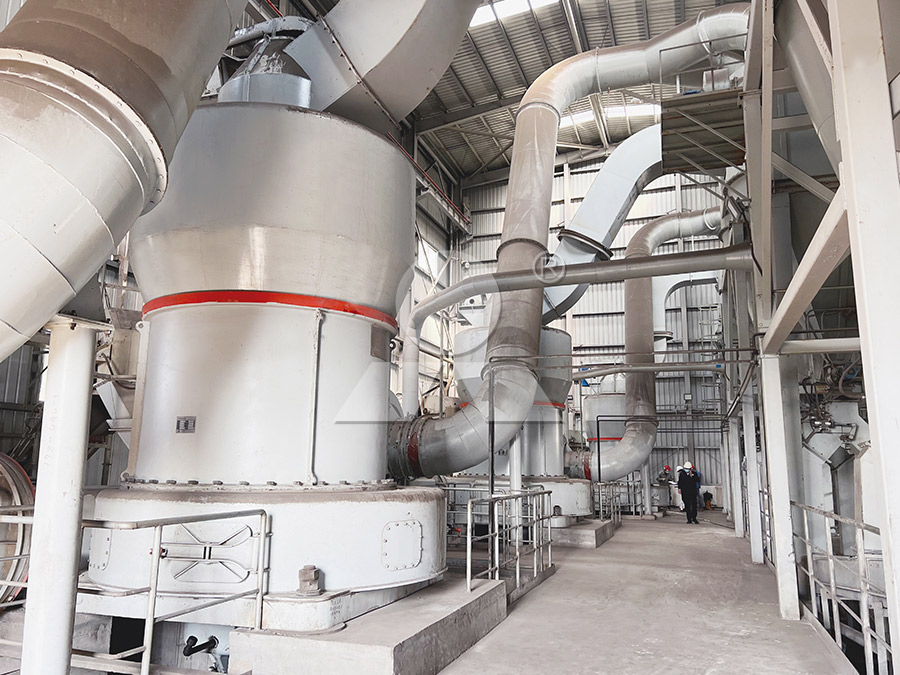
For plant managers and business owners across Indonesia’s diverse industrial landscape, the question of what to do with an aging or inefficient milling machine is a common challenge. Simply discarding heavy machinery is not only environmentally irresponsible but also a potential loss of capital. A strategic approach to disposal can mitigate environmental impact, recover value, and pave the way for modern, efficient operations.
Responsible Disposal Pathways
When a milling machine reaches the end of its operational life, you have several options, each with its own considerations:
1. Resale and Remarketing
The secondary market for industrial equipment in Southeast Asia is robust. If your machine is still functional, selling it to a smaller operation or a used equipment dealer can recoup a portion of your initial investment. Be transparent about the machine’s condition and service history to facilitate a smooth transaction.
2. Trade-In Programs
Many original equipment manufacturers (OEMs) and reputable distributors offer trade-in programs. This is often the most streamlined path, as the supplier handles the decommissioning and removal of the old unit, applying its value toward the purchase of a new, high-efficiency model. This directly reduces your capital outlay for an upgrade.
3. Professional Scrapping and Recycling
For machines that are beyond repair or resale, professional metal recycling is the responsible choice. Certified recyclers will safely drain hydraulic fluids and coolants, then dismantle the machine to recover steel, iron, copper, and other metals. This process ensures hazardous materials are disposed of correctly, preventing soil and water contamination.
Upgrading to Modern, High-Efficiency Technology
Disposing of an old machine presents a perfect opportunity to upgrade your production capabilities. Modern mills offer drastically improved energy efficiency, finer product control, and significantly lower operating costs. For operations processing materials like limestone, calcite, or talc into fine powders, investing in advanced technology is a strategic move for long-term competitiveness.
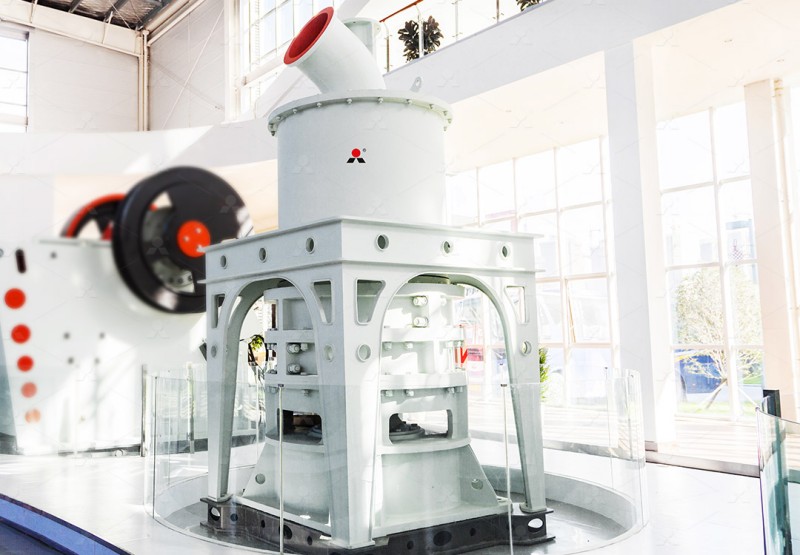
For those seeking to produce ultra-fine powders, the MW Ultrafine Grinding Mill is an exceptional solution. Engineered for high-yield, low-energy consumption production (0.5-25 tph), it is ideal for a wide range of applications from chemicals and paints to cosmetics and food additives. Its innovative design features a German-technology cage-type powder selector for precise fineness adjustment between 325-2500 meshes. A significant operational advantage is the absence of rolling bearings and screws in the grinding chamber, eliminating common failure points and enabling external lubrication without shutdown for continuous 24/7 operation. Coupled with an efficient pulse dust collector, it ensures an environmentally clean production process, aligning with stringent operational standards.
Another premier option for ultra-fine processing is the LUM Ultrafine Vertical Grinding Mill. Integrating the latest grinding roller and powder separating technologies, it excels in energy savings (30%-50% less than common mills) and offers remarkable operational stability through its double position-limiting technology. Its reversible structure is a maintenance breakthrough, allowing grinding rollers to be easily moved out of the body for inspection and part replacement, drastically reducing downtime and associated losses.
Choosing a Service Provider in Indonesia
Selecting the right partner for disposal and upgrade is crucial. Look for providers with:
- Proven Local Experience: Knowledge of Indonesian regulations and logistics.
- Comprehensive Services: Offering assessment, decommissioning, removal, and recycling.
- Technical Expertise: Ability to advise on the optimal new technology for your specific material and output requirements.
- After-Sales Support: Guaranteeing reliable operation through original spare parts and local technical service.
Frequently Asked Questions (FAQ)
Q1: What is the first step in disposing of my old milling machine?
A: Begin with a professional assessment. A qualified technician can evaluate the machine’s condition to determine if it has resale value, is suitable for a trade-in, or should be recycled.
Q2: Are there environmental regulations in Indonesia I need to follow when scrapping a mill?
A: Yes. Proper handling of oils, lubricants, and electronic components is mandatory. Partnering with a certified recycler ensures full compliance with environmental standards and prevents potential liabilities.
Q3: How does a trade-in program typically work?
A: The equipment supplier will appraise your old machine and offer a credit value against the purchase of a new one. They then manage the entire process of disconnecting, dismantling, and removing the old equipment from your site.
Q4: What are the key benefits of upgrading to a modern grinding mill like the MW or LUM series?
A: The benefits are substantial: drastically lower energy consumption, higher production yields, superior product fineness and quality, reduced maintenance needs due to more robust designs, and fully enclosed, eco-friendly operation with minimal dust and noise.
Q5: How can I ensure reliable after-sales service for new equipment in Indonesia?
A: Choose a manufacturer with a strong local presence and commitment to support. Look for guarantees on the supply of original spare parts and access to trained technical staff for installation, maintenance, and troubleshooting.