
High-Speed Wet Grinder Stone Machine for Industrial Milling
We provide a wide range of mills — including Raymond mill, trapezoidal mill, vertical mill, ultrafine mill, and ball mill, obtained ISO9001 international quality certification, EU CE certification, and Customs Union CU-TR certification. Suitable for processing minerals such as limestone, phosphate, quicklime, kaolin, talc, barite, bentonite, calcium carbonate, dolomite, coal, gypsum, clay, carbon black, slag, cement raw materials, cement clinker, and more.
The discharge range of these mills can be adjusted to meet specific processing needs, typically from 80-400 mesh, 600-3250 mesh, and can achieve the finest particle size of up to 6000 mesh(D50).
If you are looking for a reliable grinding solution to turn stone or minerals into fine powder, please feel free to contact our online customer service.
High-Speed Wet Grinder Stone Machine for Industrial Milling
In the demanding world of industrial mineral processing, achieving ultra-fine powders efficiently and reliably is a constant challenge. High-speed wet grinder stone machines represent a significant technological leap, offering unparalleled precision and productivity for a wide range of applications. These advanced milling systems are engineered to handle materials like limestone, calcite, dolomite, and talc, transforming them into fine powders essential for industries such as chemicals, paints, cosmetics, and food additives.
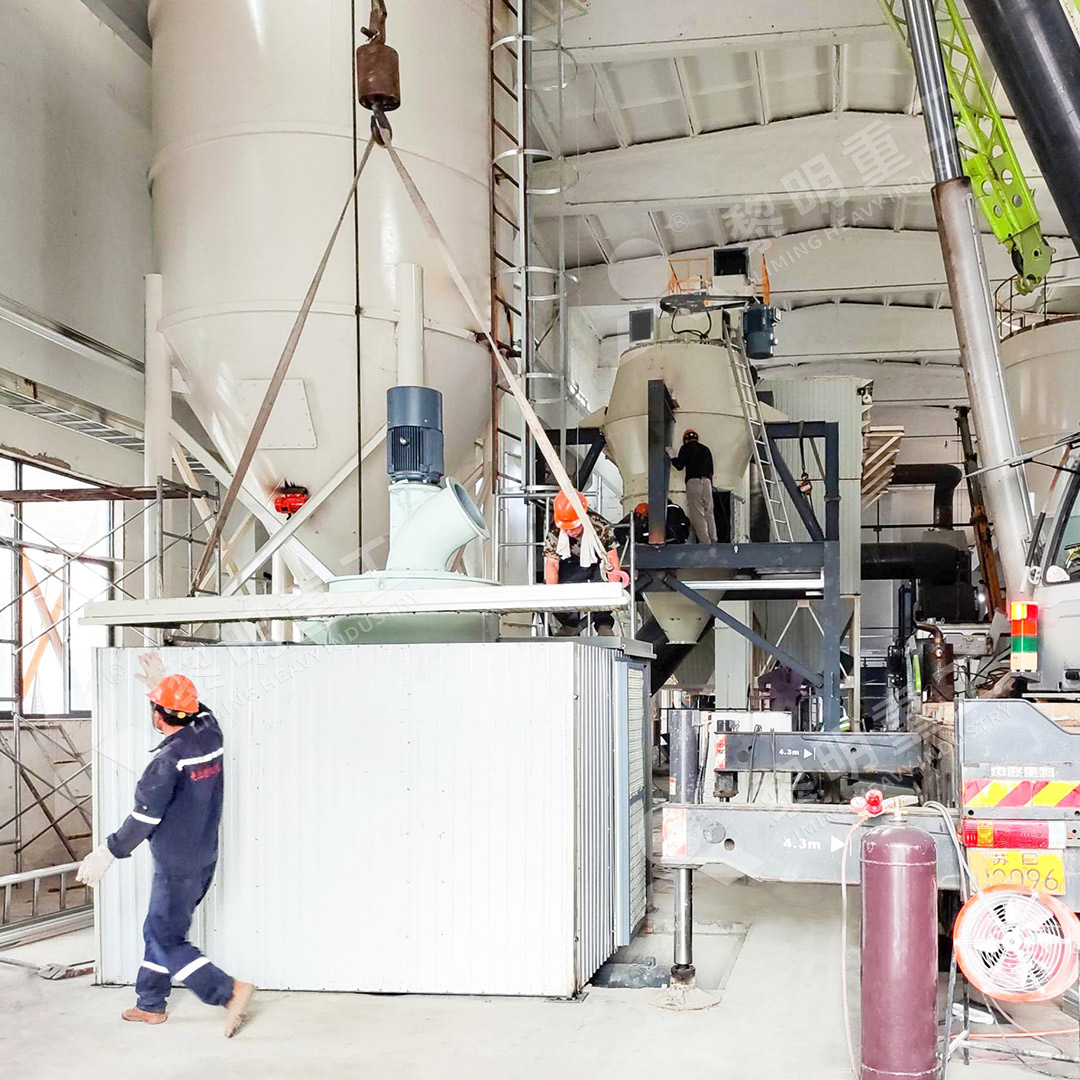
The core of any high-performance milling operation lies in its ability to balance yield, energy consumption, and environmental impact. Modern mills are designed with sophisticated features like efficient pulse dust collectors and mufflers, significantly reducing dust and noise pollution. This ensures that the entire production process adheres to stringent environmental standards without compromising on output.
Key Considerations for Industrial Milling
When selecting a grinding mill, several factors come into play. Capacity requirements, input size, desired fineness, and the specific characteristics of the material are all critical. For operations demanding ultra-fine powders between 325-2500 meshes, advanced technologies like cage-type powder selectors are indispensable. These systems, often incorporating German engineering, enhance precision in powder separation, allowing for tailored solutions based on yield and sieving rate requirements.
Another vital aspect is maintenance and operational stability. Traditional mills with internal rolling bearings and screws are prone to failures, leading to costly downtime. Innovative designs eliminate these vulnerabilities, with lubrication systems installed externally for continuous, 24/7 operation without shutdowns for maintenance.
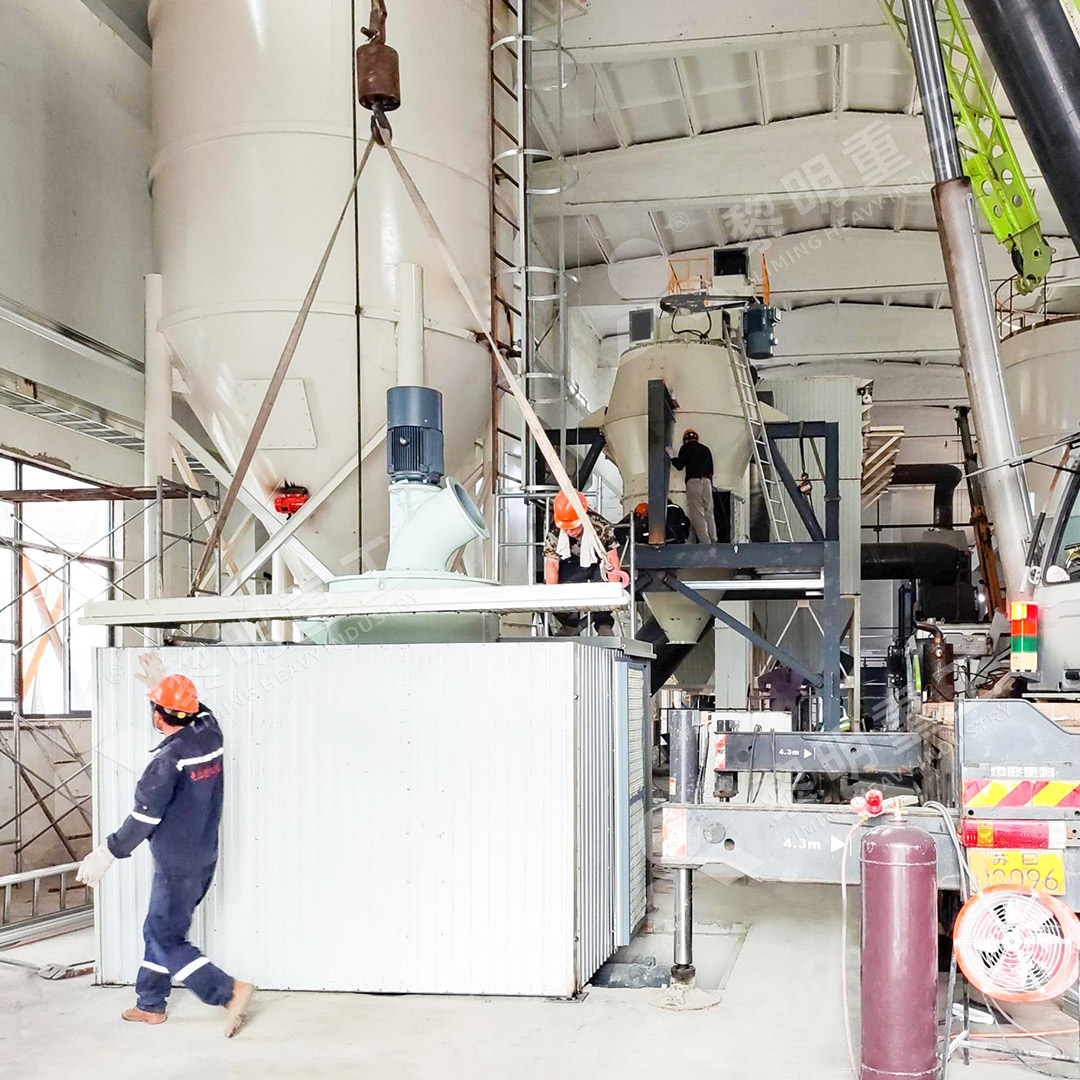
Recommended Solutions for Ultra-Fine Grinding
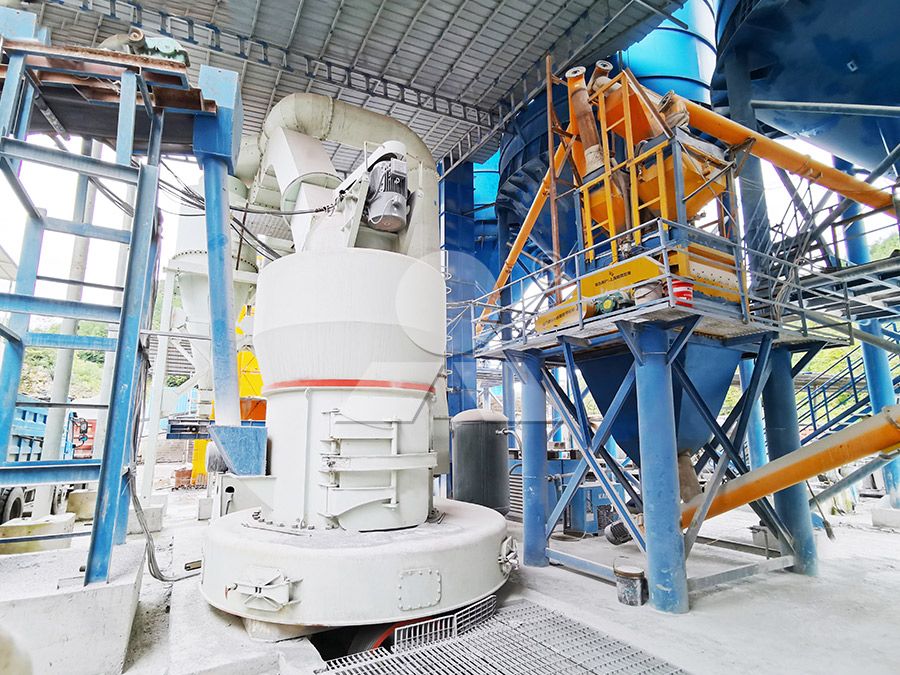
For operations focused on ultra-fine powder production, the MW Ultrafine Grinding Mill stands out. Designed for customers needing to make ultra-fine powder, this machine handles input sizes of 0-20 mm with a capacity ranging from 0.5-25 tph. Its newly designed grinding curves for rollers and rings enhance efficiency, offering 40% higher production capacity compared to jet or stirred grinding mills at the same fineness and power. Energy consumption is drastically reduced to just 30% of that of jet mills. Its standout feature is the absence of rolling bearings and screws in the grinding chamber, eliminating concerns about bearing damage or loose screws causing machine failure.
For vertical grinding solutions, the LUM Ultrafine Vertical Grinding Mill is a top-tier choice. With an input size of 0-10 mm and capacity of 5-18 tph, it integrates ultrafine powder grinding, grading, and transporting. It features unique roller shell and lining plate grinding curves that facilitate material layer generation and high-rate finished products in a single pass. Its double position-limiting technology ensures operational stability by preventing destructive impacts from machine vibration, while a reversible structure simplifies maintenance, allowing easy access to grinding rollers for checks and replacements.
FAQ
- What is the typical fineness range achievable with these mills?
The MW Ultrafine Grinding Mill can adjust fineness between 325-2500 meshes, with a screening rate achieving d97≤5μm in one pass. - How do these mills address environmental concerns?
They are equipped with efficient pulse dust collectors and mufflers, ensuring no dust pollution and reduced noise levels, fully complying with national environmental standards. - What materials can be processed?
Common materials include limestone, calcite, dolomite, gypsum, barite, talc, and coal powder, suitable for chemicals, paints, cosmetics, and food additives. - What are the maintenance advantages?
Designs without internal rolling bearings and screws reduce failure risks, and external lubrication allows for continuous operation without shutdowns. - How does the LUM mill improve product quality?
Its unique grinding curves and multi-head powder separating technology ensure high whiteness and cleanliness by avoiding repeated grinding and iron contamination.