
Limestone Raymond Mill: A Complete Guide to Grinding Limestone Efficiently
We provide a wide range of mills — including Raymond mill, trapezoidal mill, vertical mill, ultrafine mill, and ball mill, obtained ISO9001 international quality certification, EU CE certification, and Customs Union CU-TR certification. Suitable for processing minerals such as limestone, phosphate, quicklime, kaolin, talc, barite, bentonite, calcium carbonate, dolomite, coal, gypsum, clay, carbon black, slag, cement raw materials, cement clinker, and more.
The discharge range of these mills can be adjusted to meet specific processing needs, typically from 80-400 mesh, 600-3250 mesh, and can achieve the finest particle size of up to 6000 mesh(D50).
If you are looking for a reliable grinding solution to turn stone or minerals into fine powder, please feel free to contact our online customer service.
Limestone Raymond Mill: A Complete Guide to Grinding Limestone Efficiently
Limestone grinding is a critical process in numerous industries, from construction materials to agriculture and chemical production. Achieving the desired fineness and consistency while maintaining operational efficiency and environmental compliance is paramount. While Raymond Mill technology has long been a staple for medium-fine grinding, advancements in milling technology now offer superior solutions for higher capacity and ultra-fine applications.
Understanding the Grinding Process
Traditional Raymond Mills operate on the principle of grinding via spring-loaded rollers that rotate against a stationary ring. Crushed limestone is fed into the grinding chamber where it is pulverized. A built-in classifier ensures that only particles of the desired fineness leave the mill, while coarser material is recycled for further grinding. This process is effective for producing powders in the range of 80 to 325 mesh.
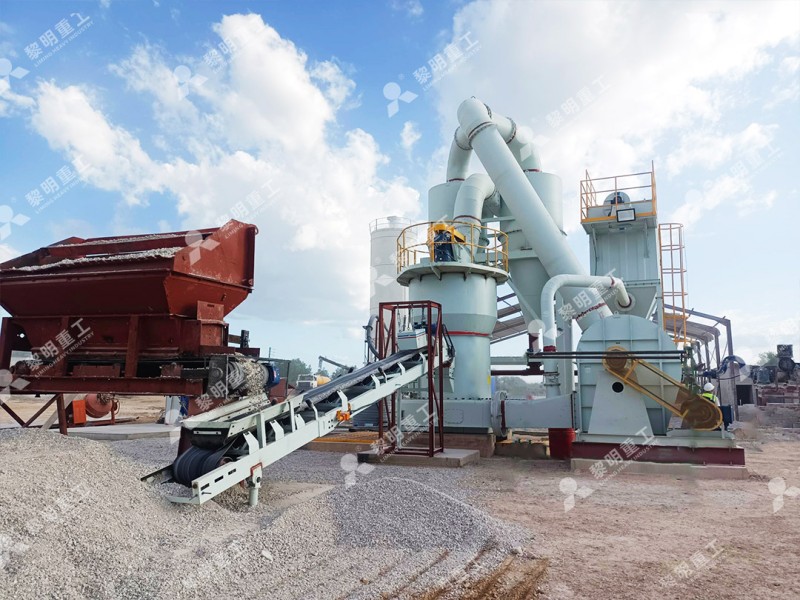
Key Considerations for Efficient Limestone Grinding
Selecting the right mill involves balancing several factors:
- Desired Fineness: The required particle size distribution of the final product.
- Production Capacity: The hourly throughput needed for your operation.
- Energy Consumption: Operational costs are heavily influenced by power usage.
- Wear and Maintenance: The abrasiveness of limestone demands robust, easy-to-maintain equipment.
- Environmental Impact: Modern operations require effective dust collection and noise control.
Beyond Raymond Mill: Advanced Solutions for Superior Performance
For operations requiring higher output, finer products, or greater energy efficiency, modernized grinding systems offer significant advantages. Our MW Ultrafine Grinding Mill represents a leap forward in grinding technology. Designed for customers who need to make ultra-fine powder, this machine is equipped with an efficient pulse dust collector and muffler, ensuring minimal dust and noise pollution. With an input size of 0-20 mm and a capacity range of 0.5-25 tph, it is exceptionally versatile.
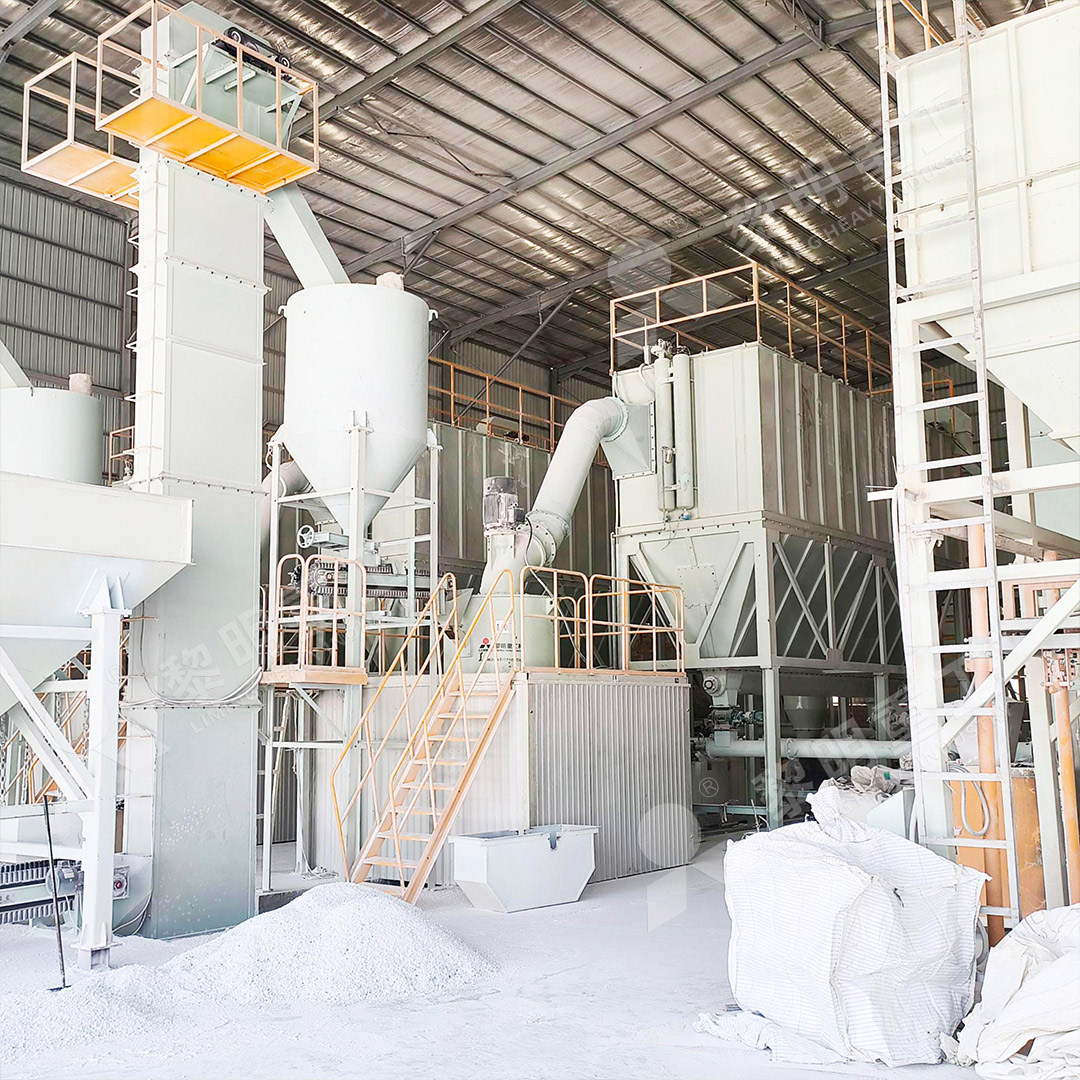
The MW series boasts features that directly address the limitations of older designs. Its newly designed grinding curves for the roller and ring enhance efficiency, yielding production capacity up to 40% higher than jet mills and twice that of ball mills, while reducing system energy consumption by 30%. Furthermore, its cage-type powder selector, adopting German technology, allows for precise fineness adjustment between 325-2500 meshes. A critical design advantage is the absence of rolling bearings and screws in the grinding chamber, eliminating common failure points and enabling external lubrication without shutdown for continuous 24/7 operation.
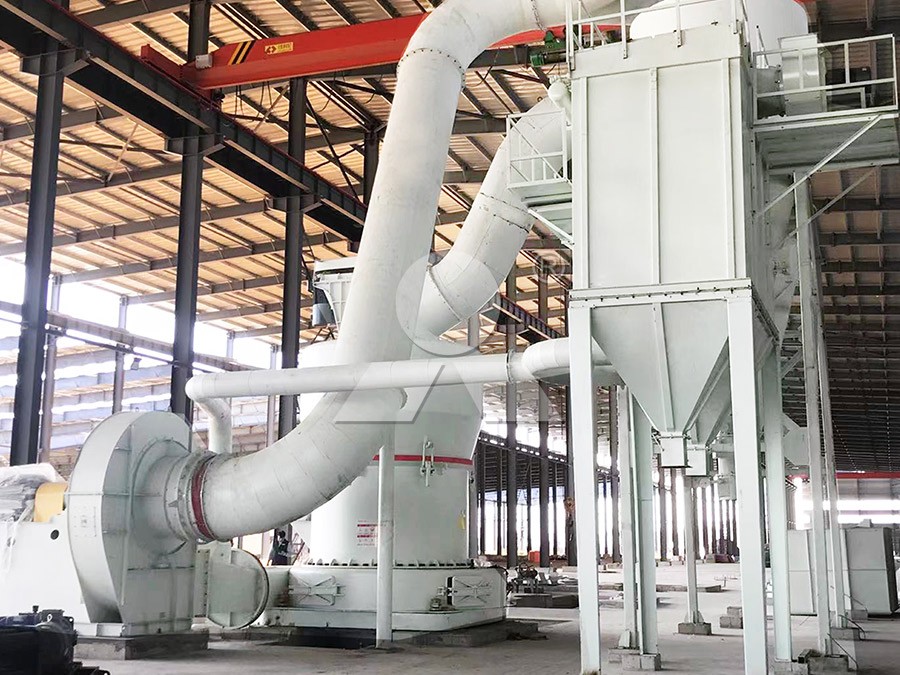
For operations focused on vertical grinding efficiency, our LUM Ultrafine Vertical Grinding Mill is another premier choice. Independently designed with the latest grinding roller and powder separating technology, it integrates grinding, grading, and transporting into a single, highly efficient unit. It is perfect for producing superfine dry powder of non-metal ores like limestone with higher yield rates and better product quality.
Maximizing Your Grinding Operation’s ROI
Investing in the right technology is the first step. To ensure long-term profitability, consider the total cost of ownership, which includes not only the initial investment but also energy, maintenance, and spare parts costs. Equipment from a manufacturer with integrated production and sales, like us, guarantees access to original technical services and genuine spare parts, ensuring worry-free operation and protecting your investment for years to come.
Frequently Asked Questions (FAQ)
What is the typical fineness range for a standard Raymond Mill?
A traditional Raymond Mill can typically achieve a fineness between 80 and 325 mesh (180-45 microns).
How does the MW Ultrafine Grinding Mill achieve higher energy efficiency?
The MW Mill utilizes optimized grinding curves and a highly efficient cage-type powder selector. This design reduces resistance and improves grinding efficiency, leading to energy savings of up to 30% compared to conventional jet mills while offering higher output.
What makes the ‘no rolling bearing in the chamber’ design advantageous?
This design eliminates a critical vulnerability. Without bearings or screws inside the grinding chamber, there is no risk of damage to these components from abrasive limestone dust. Lubrication is performed externally, allowing for maintenance without stopping production, which is crucial for high-uptime operations.
Can these mills handle other materials besides limestone?
Absolutely. Our MW and LUM mills are highly versatile and are commonly used for calcite, dolomite, talc, barite, and other non-metallic minerals with similar hardness.
How is dust control managed?
Our mills are equipped with advanced, integrated pulse dust collection systems. These systems ensure that the entire milling process operates under negative pressure, preventing dust from escaping and meeting strict environmental protection standards.