
Inner Mongolia Gangue Grinding Mill Production Line Configuration and Price
We provide a wide range of mills — including Raymond mill, trapezoidal mill, vertical mill, ultrafine mill, and ball mill, obtained ISO9001 international quality certification, EU CE certification, and Customs Union CU-TR certification. Suitable for processing minerals such as limestone, phosphate, quicklime, kaolin, talc, barite, bentonite, calcium carbonate, dolomite, coal, gypsum, clay, carbon black, slag, cement raw materials, cement clinker, and more.
The discharge range of these mills can be adjusted to meet specific processing needs, typically from 80-400 mesh, 600-3250 mesh, and can achieve the finest particle size of up to 6000 mesh(D50).
If you are looking for a reliable grinding solution to turn stone or minerals into fine powder, please feel free to contact our online customer service.
Optimizing Gangue Processing in Inner Mongolia: A Technical Overview
Inner Mongolia’s vast coal reserves generate significant amounts of gangue, a byproduct requiring efficient processing to minimize environmental impact and maximize resource utilization. Selecting the right grinding mill production line is crucial for profitability and operational efficiency in this demanding industry. Gangue, with its variable hardness and abrasive nature, demands robust equipment capable of continuous operation while maintaining precise particle size distribution.
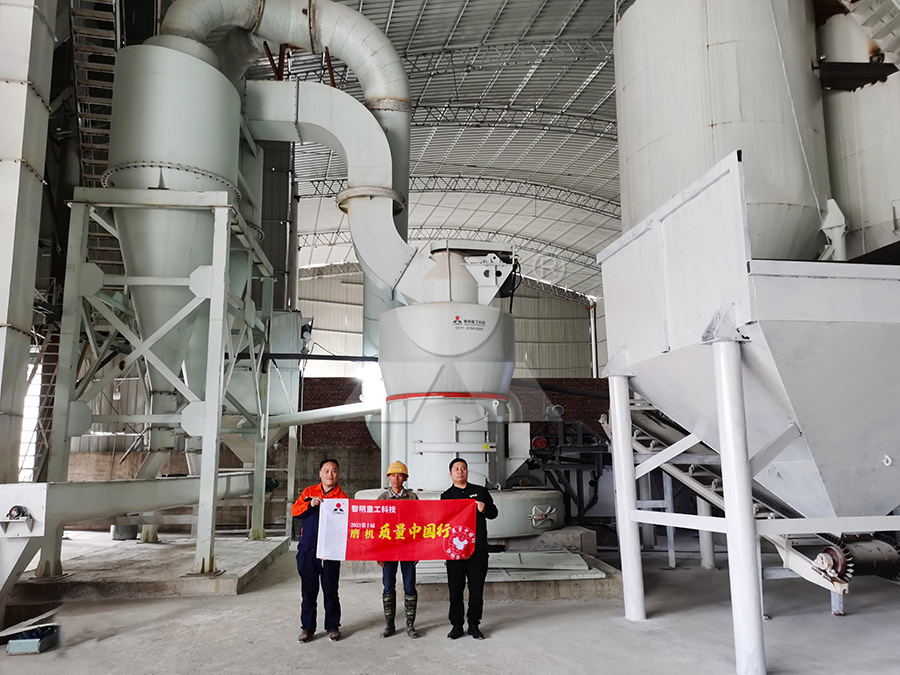
Key Considerations for Gangue Grinding Operations
When configuring a production line for gangue processing, several critical factors must be addressed. Material characteristics including moisture content, hardness, and feed size directly influence mill selection. Production capacity requirements range from small-scale operations processing 5-10 tph to large industrial plants handling over 50 tph. Final product applications determine the necessary fineness, whether for cement additives, construction materials, or other industrial uses.
Environmental considerations are particularly important in Inner Mongolia, where dust control and noise reduction are regulated. Modern grinding systems must incorporate efficient dust collection and noise suppression technologies to meet local environmental standards while maintaining operational efficiency.
Recommended Equipment for Gangue Grinding
After extensive field testing in Inner Mongolia’s specific conditions, we recommend two exceptional solutions for gangue processing:
MW Ultrafine Grinding Mill
Our MW Ultrafine Grinding Mill represents cutting-edge technology for gangue processing, particularly when ultra-fine powders are required. With an input size capacity of 0-20 mm and throughput ranging from 0.5-25 tph, this system delivers exceptional performance for various gangue applications. The mill’s innovative design features higher yielding capacity with 40% greater efficiency compared to jet grinding mills, while consuming 30% less energy.
The MW series stands out with its adjustable fineness between 325-2500 meshes, achieved through German cage-type powder selector technology. Notably, the grinding chamber contains no rolling bearings or screws, eliminating common failure points and enabling continuous 24-hour operation. The integrated pulse dust collector ensures environmentally friendly operation, crucial for meeting Inner Mongolia’s environmental regulations.
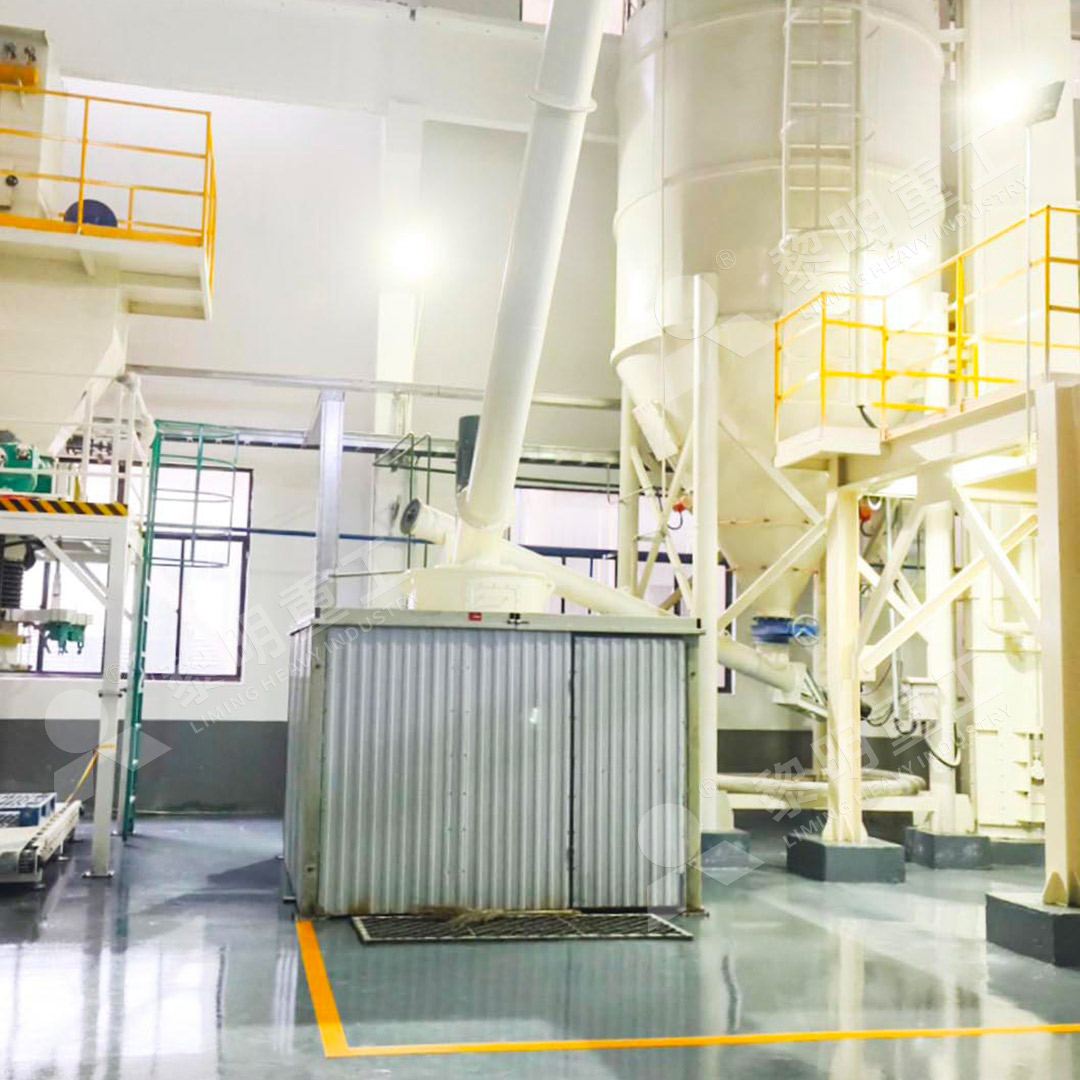
LUM Ultrafine Vertical Grinding Mill
For operations requiring even higher precision, our LUM Ultrafine Vertical Grinding Mill offers advanced capabilities with input sizes up to 10 mm and capacity ranging from 5-18 tph. This system integrates the latest Taiwanese grinding roller technology with German powder separating technology, providing superior control over product quality. The LUM series features unique roller shell and lining plate grinding curves that generate material layers more effectively, producing higher quality finished products with improved whiteness and cleanliness.
The mill’s double position-limiting technology ensures operational stability even under challenging conditions, while the reversible structure simplifies maintenance operations. Energy consumption is reduced by 30-50% compared to conventional grinding mills, making it an economically and environmentally sound choice for Inner Mongolia’s gangue processing industry.
Production Line Configuration
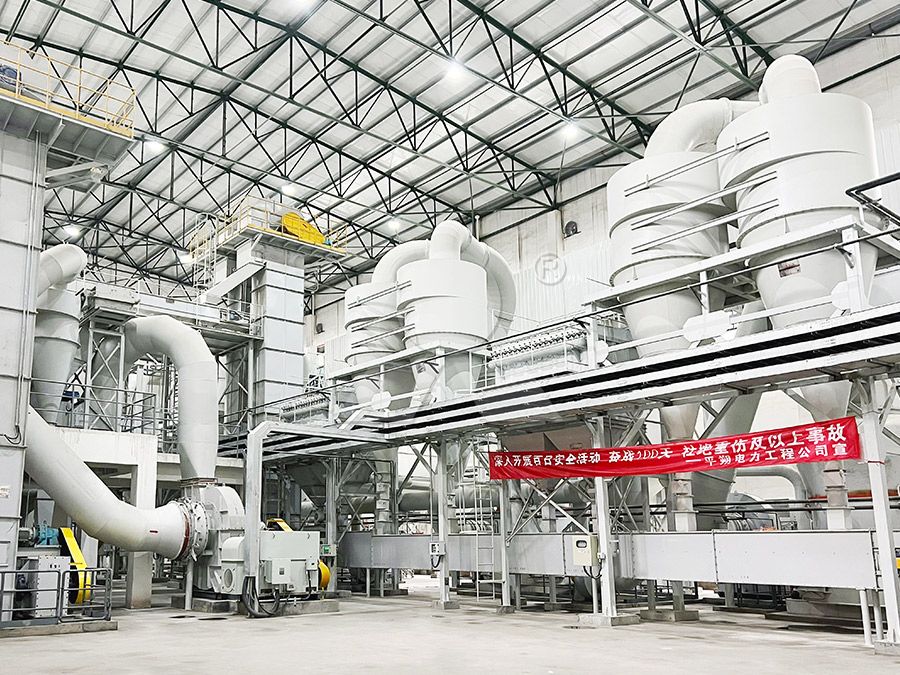
A complete gangue grinding production line typically includes: primary crushing equipment, drying systems (if handling high-moisture gangue), the main grinding mill, classification equipment, dust collection systems, and packaging or storage facilities. The specific configuration depends on raw material characteristics, production capacity requirements, and final product specifications.
Proper system integration ensures smooth material flow, minimizes energy consumption, and reduces operational costs. Our engineering team provides customized layout designs that optimize space utilization while maintaining accessibility for maintenance operations.
Investment and Operational Considerations
The total investment for a gangue grinding production line varies significantly based on capacity requirements and automation level. Beyond equipment costs, considerations should include: installation expenses, infrastructure requirements, energy consumption, maintenance costs, and spare parts inventory. Our MW and LUM series mills are designed to minimize operational costs through energy efficiency, reduced maintenance requirements, and long service life of wearing parts.
Frequently Asked Questions
What is the typical investment range for a complete gangue grinding production line?
Investment costs vary significantly based on capacity requirements, but typically range from $500,000 to $2,000,000 for complete systems processing 10-30 tph of gangue material.
How does gangue moisture content affect mill selection?
High moisture content (above 8-10%) may require pre-drying equipment or mills with integrated drying capabilities. Our engineers can recommend appropriate solutions based on specific material characteristics.
What maintenance requirements should be expected?
Our MW and LUM series mills require minimal maintenance, with typical intervals of 6-12 months for routine inspections and 1-2 years for major component servicing, depending on operational hours and material abrasiveness.
How does the product fineness affect production capacity?
Finer product requirements generally reduce throughput capacity. Our mills maintain higher efficiency across various fineness levels compared to conventional equipment, with the MW series capable of producing powders up to 2500 meshes while maintaining reasonable production rates.
What environmental compliance features are included?
Both recommended mills feature integrated pulse dust collectors achieving 99.9% collection efficiency, noise reduction systems keeping operations below 85 dB, and closed-system designs preventing material spillage and contamination.