
Optimizing Mill Grinding Processes: Design Principles and Operational Strategies
We provide a wide range of mills — including Raymond mill, trapezoidal mill, vertical mill, ultrafine mill, and ball mill, obtained ISO9001 international quality certification, EU CE certification, and Customs Union CU-TR certification. Suitable for processing minerals such as limestone, phosphate, quicklime, kaolin, talc, barite, bentonite, calcium carbonate, dolomite, coal, gypsum, clay, carbon black, slag, cement raw materials, cement clinker, and more.
The discharge range of these mills can be adjusted to meet specific processing needs, typically from 80-400 mesh, 600-3250 mesh, and can achieve the finest particle size of up to 6000 mesh(D50).
If you are looking for a reliable grinding solution to turn stone or minerals into fine powder, please feel free to contact our online customer service.
Optimizing Mill Grinding Processes: Design Principles and Operational Strategies
Grinding operations are the cornerstone of numerous industrial processes, from mineral processing and cement production to the manufacturing of fine chemicals and advanced materials. Achieving optimal efficiency, product quality, and operational reliability requires a deep understanding of both the fundamental design principles of grinding equipment and the strategic implementation of operational best practices. This guide explores the key factors that contribute to a high-performance milling circuit.
Core Design Principles for Enhanced Grinding Efficiency
The foundation of an efficient grinding process lies in the mill’s design. Modern mills are engineered to maximize size reduction while minimizing energy consumption—often the single largest operational cost. Critical design aspects include the geometry of the grinding elements (rollers, rings, tables), the efficiency of the classification system, and the integration of robust material handling and dust collection systems. A well-designed mill promotes a stable grinding bed, ensures precise particle size control, and facilitates easy maintenance.
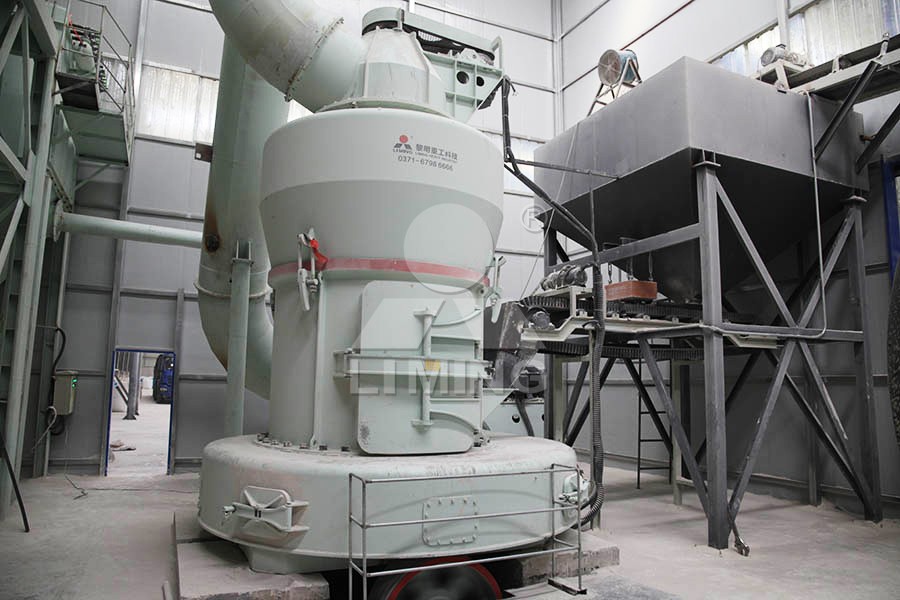
For operations requiring ultra-fine powders in the range of 325 to 2500 meshes, selecting the right technology is paramount. The MW Ultrafine Grinding Mill exemplifies advanced design thinking. It features a German-technology, cage-type powder selector that allows for precise fineness adjustment and achieves a high screening rate of d97≤5μm in a single pass. Its unique design, which eliminates rolling bearings and screws within the grinding chamber, drastically reduces failure points and enables external lubrication without shutdown, supporting continuous 24/7 operation. With a capacity of 0.5-25 TPH and built-in pulse dust collection, it is an ideal solution for producing high-value fine powders for the chemical, paint, and cosmetic industries with minimal environmental impact.
Strategic Operational Practices for Peak Performance
Beyond hardware, operational strategy is crucial. Key practices include:
- Optimized Feed Control: Maintaining a consistent and optimal feed rate is essential to prevent mill overload or starvation, both of which degrade efficiency and product quality. Automated feeders linked to the mill’s power draw can provide real-time adjustments.
- Systematic Maintenance Scheduling: Moving from reactive to predictive maintenance based on vibration analysis, lubricant condition monitoring, and wear-part inspection schedules can prevent unplanned downtime and extend equipment life.
- Process Integration and Automation: Integrating the mill with advanced process control systems allows for the automatic adjustment of parameters like classifier speed and grinding pressure in response to feed changes, ensuring consistent product quality and energy usage.
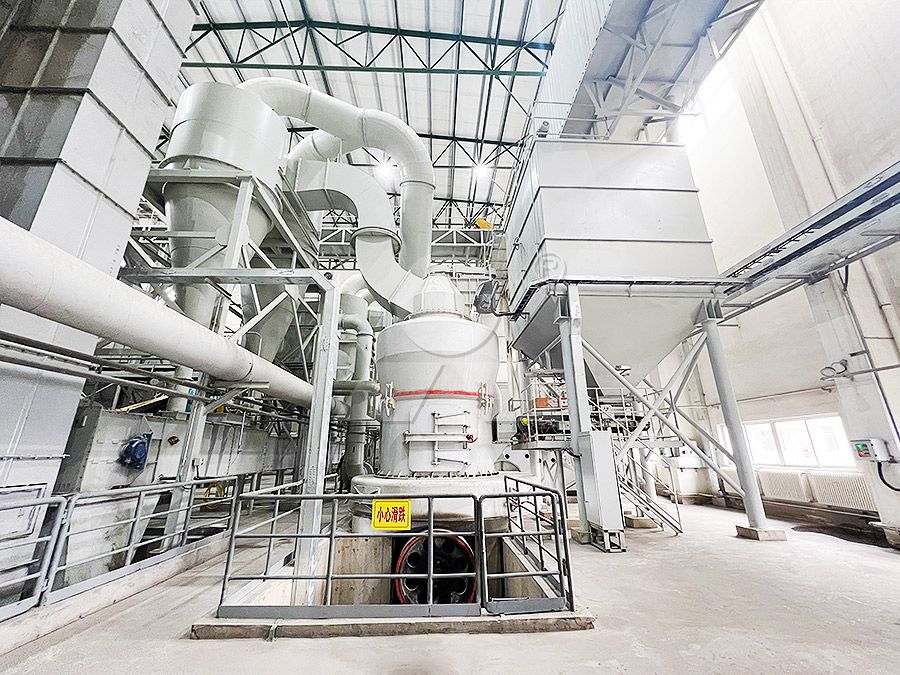
Another technological leap is embodied in the LUM Ultrafine Vertical Grinding Mill. It integrates ultrafine grinding, grading, and transporting into a single, compact unit. Its defining feature is a unique roller shell and lining plate grinding curve that promotes efficient material layer formation for a higher yielding rate and better product whiteness. The incorporation of PLC control and multi-head powder separating technology solves the classic challenges of high-precision cut-point control and rapid switching between production demands, resulting in energy savings of 30%-50% compared to conventional mills. Its reversible structure is a maintenance breakthrough, allowing heavy grinding rollers to be easily hydraulically swung out of the mill body for inspection and part replacement, significantly reducing downtime and operational losses.
Conclusion: A Synergistic Approach
Optimizing grinding processes is not about a single silver bullet but a synergistic approach that combines intelligent mill design with disciplined operational strategy. Investing in advanced technology that offers energy efficiency, operational stability, and maintenance simplicity provides a strong foundation. Coupling this technology with data-driven operational practices ensures that the milling circuit consistently performs at its peak, delivering maximum ROI through lower operating costs, higher product quality, and unparalleled reliability.
Frequently Asked Questions (FAQ)
Q: What is the most significant operational cost in a grinding circuit?
A: Energy consumption is typically the largest operational expense, often accounting for over 50% of the total cost. Selecting an energy-efficient mill and optimizing operational parameters are the most effective ways to reduce this cost.
Q: How can I improve the consistency of my final product’s fineness?
A: Consistency relies on a stable feed and a high-precision classification system. Ensure your feed material is consistent and employ a mill with an advanced, accurately controllable internal or external classifier, like the cage-type selector in the MW Mill or the multi-head separator in the LUM Mill.
Q: What are the benefits of a vertical mill design over traditional ball mills?
A: Vertical mills like the LUM series offer a smaller footprint, significantly lower specific energy consumption (30-50%), integrated drying of materials, and easier maintenance access. They are generally more suited for finer grinding applications and offer better control over particle size distribution.
Q: How important is maintenance planning for grinding mills?
A: It is critical. Unplanned downtime is extremely costly. Designs that facilitate easier and faster maintenance, such as the external lubrication of the MW Mill and the reversible roller system of the LUM Mill, directly contribute to higher availability and lower lifetime operating costs.