
How to Improve the Performance of Feldspar Grinding Mills
We provide a wide range of mills — including Raymond mill, trapezoidal mill, vertical mill, ultrafine mill, and ball mill, obtained ISO9001 international quality certification, EU CE certification, and Customs Union CU-TR certification. Suitable for processing minerals such as limestone, phosphate, quicklime, kaolin, talc, barite, bentonite, calcium carbonate, dolomite, coal, gypsum, clay, carbon black, slag, cement raw materials, cement clinker, and more.
The discharge range of these mills can be adjusted to meet specific processing needs, typically from 80-400 mesh, 600-3250 mesh, and can achieve the finest particle size of up to 6000 mesh(D50).
If you are looking for a reliable grinding solution to turn stone or minerals into fine powder, please feel free to contact our online customer service.
How to Improve the Performance of Feldspar Grinding Mills
Feldspar, a crucial raw material for ceramics and glass, demands precise and efficient grinding to achieve the required fineness and purity. Optimizing the performance of your grinding mills is paramount for maximizing productivity, reducing operational costs, and ensuring consistent product quality. This article outlines key strategies for enhancing feldspar grinding operations.
Key Strategies for Enhanced Grinding Performance
Successful feldspar processing hinges on several interconnected factors. First, maintaining a consistent and optimally sized feed is critical. The input material should be pre-crushed to the mill’s specified feed size to prevent blockages and ensure efficient grinding action. Second, precise control over the grinding parameters—such as pressure, speed, and airflow—allows operators to fine-tune the process for the desired output, balancing throughput with energy consumption. Furthermore, a well-designed and maintained classification system is essential for achieving the target particle size distribution and preventing over-grinding, which wastes energy and can degrade product quality.
Leveraging Modern Mill Technology
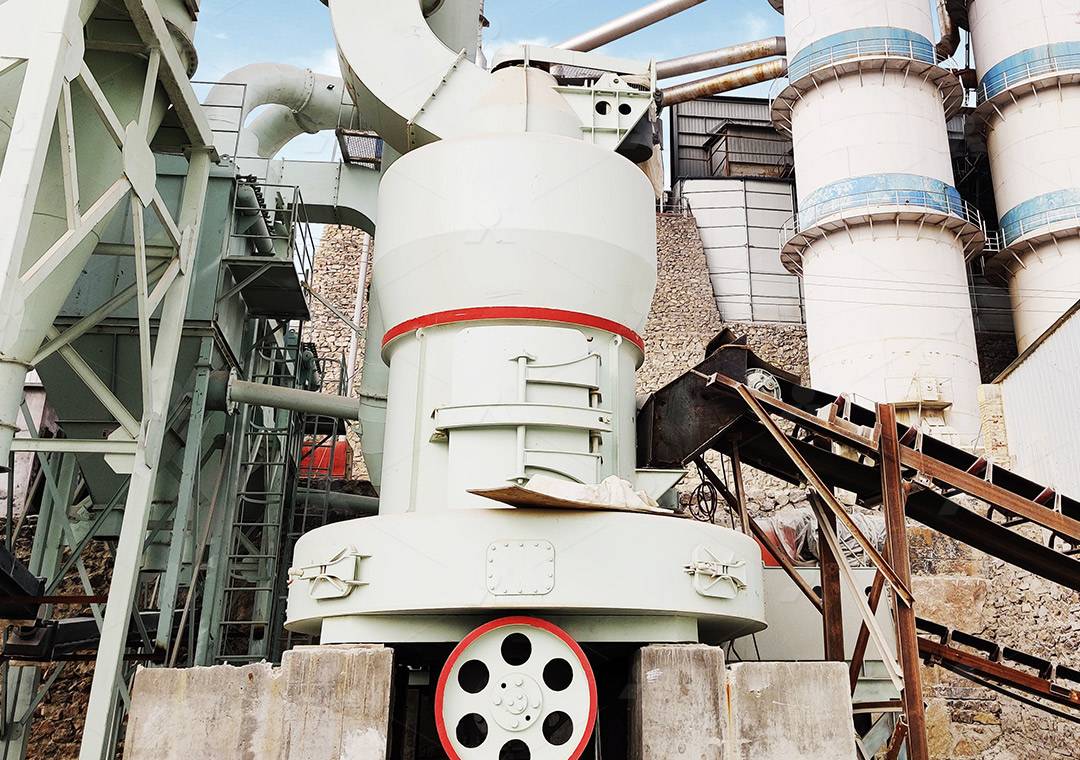
The choice of grinding technology plays a defining role in overall performance. Traditional mills like ball mills or Raymond mills can be effective but often lack the energy efficiency and precise control offered by newer designs. Modern vertical roller mills and ultra-fine grinding mills incorporate advanced features such as external lubrication systems, high-efficiency classifiers, and intelligent automation. These features directly address common pain points like high wear-part replacement frequency, excessive energy use, and inconsistent product fineness.
Introducing the MW Ultrafine Grinding Mill
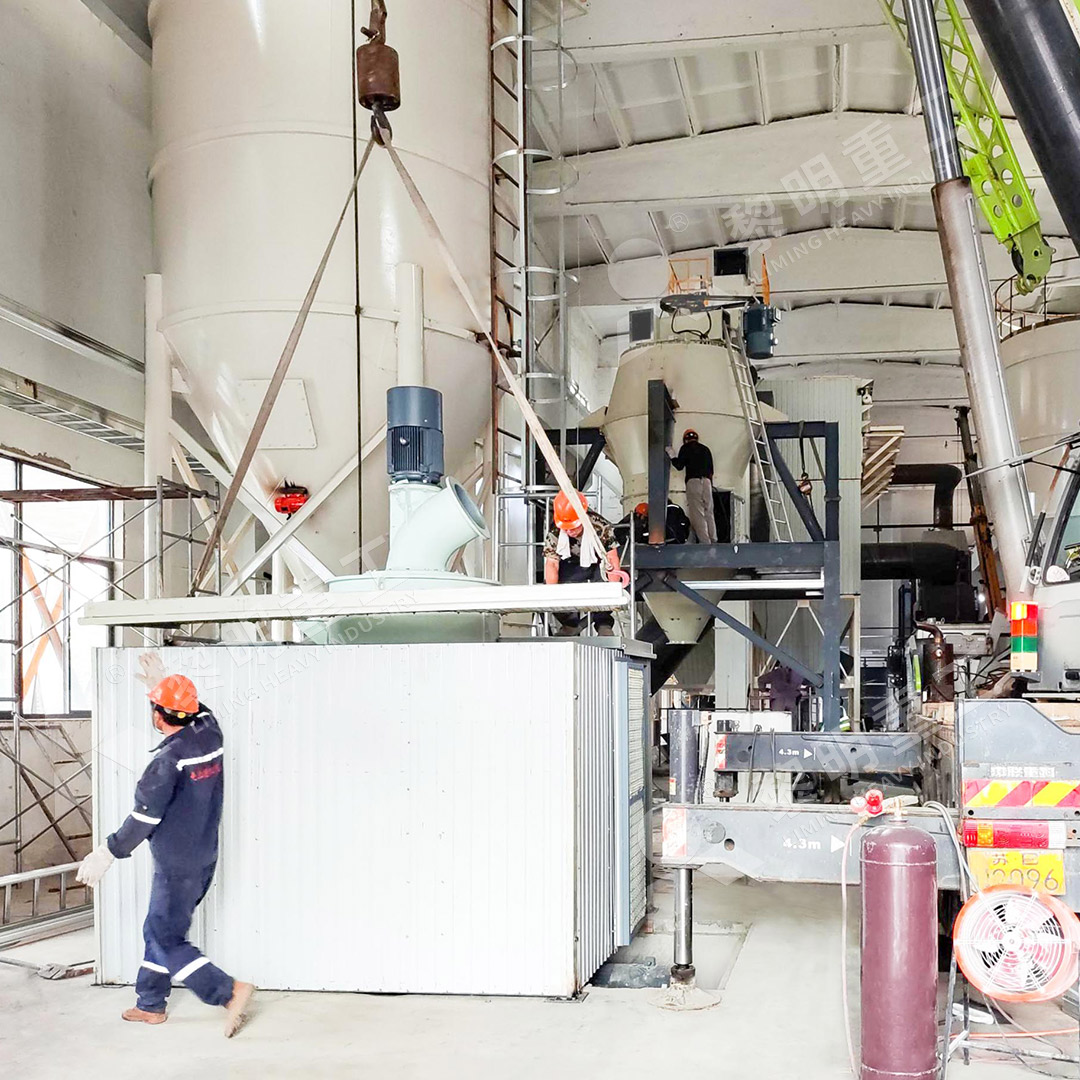
For operations requiring ultra-fine feldspar powders (325-2500 meshes), the MW Ultrafine Grinding Mill represents a significant technological leap. This mill is engineered for customers who need to make ultra-fine powder with higher yielding and lower energy consumption. Its newly designed grinding curves of the roller and ring enhance grinding efficiency, boasting a production capacity 40% higher than jet mills and double that of ball mills, while reducing system energy consumption by 30%. A key maintenance advantage is the absence of rolling bearings and screws in the grinding chamber, eliminating concerns about bearing failures or loose screws causing damage. Combined with its efficient pulse dust collector and muffler, the MW series ensures an eco-friendly operation that meets national environmental standards.
Consider the LUM Ultrafine Vertical Grinding Mill
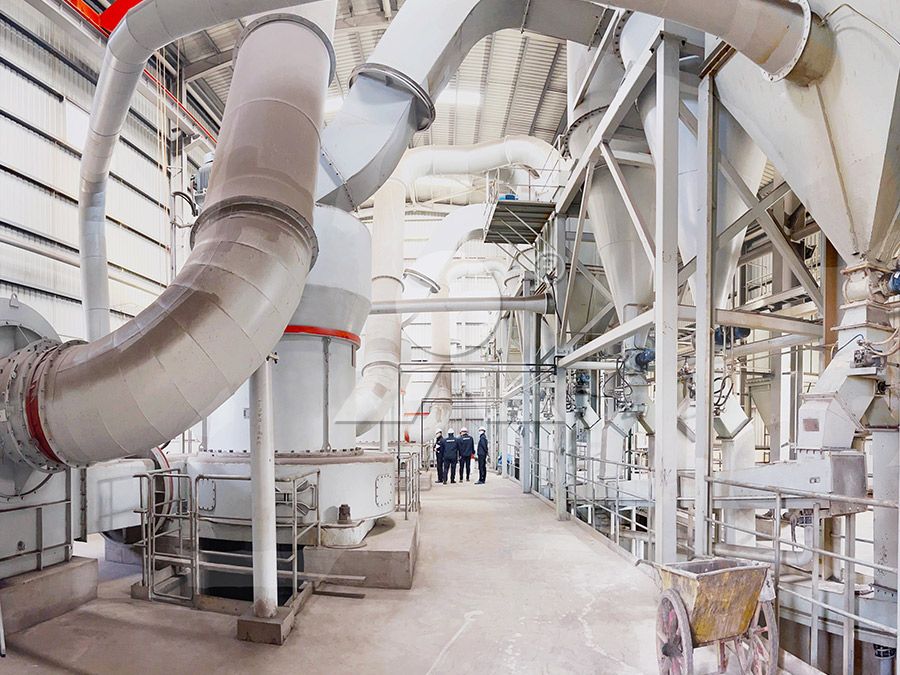
Another exceptional solution for high-grade feldspar powder is the LUM Ultrafine Vertical Grinding Mill. It integrates grinding, grading, and transporting into a single, compact unit. Its standout feature is the unique roller shell and lining plate grinding curve, which is easier to generate a material layer and enables a high rate of finished product in a single pass. This design improves efficiency and enhances the whiteness and cleanliness of the final product. The mill’s multi-head powder separating technology, controlled by a PLC system, allows for precise control over fineness and significantly reduces energy consumption by 30%-50% compared to conventional mills.
Operational Best Practices
Beyond equipment selection, diligent operational practices are vital. Implementing a proactive maintenance schedule for inspecting and replacing wear parts like rollers and rings prevents unexpected downtime. Regularly monitoring vibration and temperature can provide early warnings of potential issues. Finally, training operators to understand the grinding process and the specific capabilities of their equipment empowers them to make adjustments that optimize performance in real-time.
Frequently Asked Questions (FAQ)
What is the optimal feed size for a feldspar grinding mill?
It depends on the mill type. For ultra-fine mills like our MW series, the optimal input size is typically under 20mm. Always consult your mill’s specifications to ensure proper feed preparation.
How can I reduce energy consumption in my grinding circuit?
Focus on selecting an energy-efficient mill design (like our MW or LUM mills), ensuring your classifier is properly configured to avoid over-grinding, and maintaining optimal operating parameters through automated control systems.
What are the advantages of a vertical roller mill over a ball mill for feldspar?
Vertical roller mills generally offer higher grinding efficiency, lower energy consumption (30-40% less), better drying capacity for moist feeds, and a significantly smaller footprint. They also allow for quicker adjustment of product fineness.
How important is the classifier in a grinding mill system?
Extremely important. The classifier determines the final product fineness. A high-efficiency classifier, like the cage-type selector in our MW Mill, ensures a sharp particle size cut, improves yield, and is fundamental to energy efficiency by returning coarse material for further grinding.