
Small Size Ball Mill for Zircon Sand Grinding: Price, Design & Working Principle
We provide a wide range of mills — including Raymond mill, trapezoidal mill, vertical mill, ultrafine mill, and ball mill, obtained ISO9001 international quality certification, EU CE certification, and Customs Union CU-TR certification. Suitable for processing minerals such as limestone, phosphate, quicklime, kaolin, talc, barite, bentonite, calcium carbonate, dolomite, coal, gypsum, clay, carbon black, slag, cement raw materials, cement clinker, and more.
The discharge range of these mills can be adjusted to meet specific processing needs, typically from 80-400 mesh, 600-3250 mesh, and can achieve the finest particle size of up to 6000 mesh(D50).
If you are looking for a reliable grinding solution to turn stone or minerals into fine powder, please feel free to contact our online customer service.
Small Size Ball Mill for Zircon Sand Grinding: Price, Design & Working Principle
Zircon sand grinding demands precision, efficiency, and reliability. While traditional ball mills have been a staple in mineral processing, advancements in grinding technology now offer superior alternatives for achieving ultra-fine zircon powders with greater control and lower operational costs. This article explores the core principles of grinding and highlights a more advanced solution for zircon sand processing.
The Working Principle of a Traditional Ball Mill
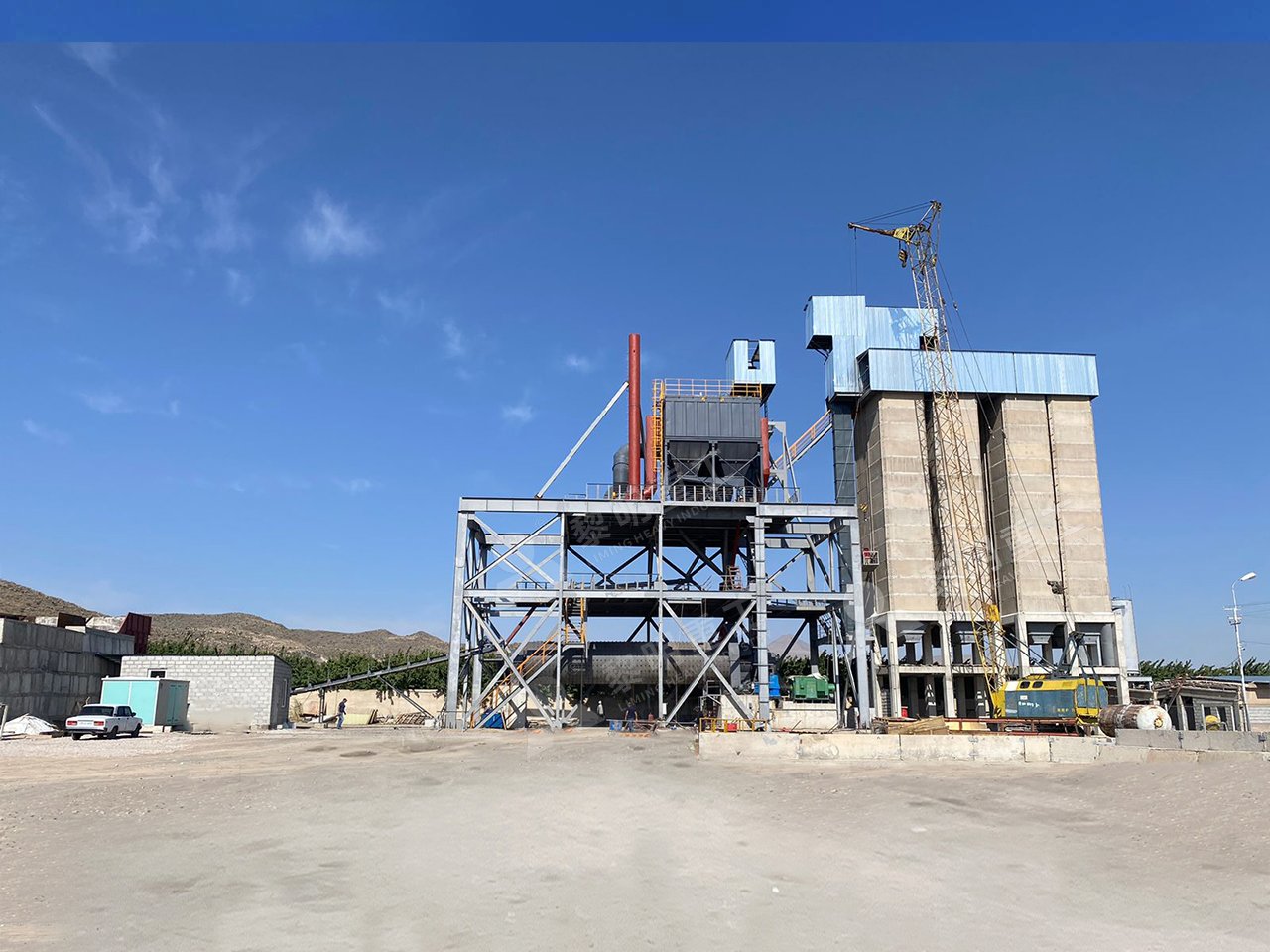
A ball mill operates on a relatively simple principle. It is a horizontal rotating device transmitted by an outer gear. The materials are fed into the grinding chamber through a quill shaft uniformly. Inside the chamber, lined with ladder or ripple liners, are grinding media—typically steel balls of various specifications. As the cylinder rotates, the centrifugal force carries these balls to a certain height before they cascade and impact the material, crushing and grinding it through a combination of impact and abrasion. The finely ground material is then discharged through a grate plate, completing the process.
Beyond the Ball Mill: Modern Solutions for Zircon Grinding
While ball mills are common, they can be inefficient for ultra-fine grinding applications like zircon sand. Energy consumption is high due to the weight of the rotating drum and media, and achieving a consistent, narrow particle size distribution can be challenging. For operations seeking higher efficiency, finer products, and better control, advanced mills are the answer.
For customers focused on producing high-quality ultra-fine zircon powder, we highly recommend our MW Ultrafine Grinding Mill. This machine is specifically engineered for customers who need to make 325-2500 mesh ultra-fine powder. It addresses many of the limitations of traditional ball mills.
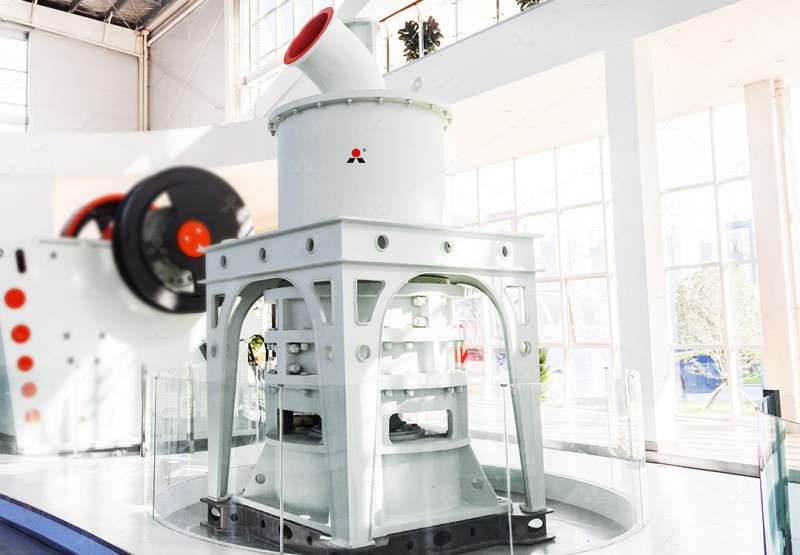
The MW Mill boasts several critical advantages. Its newly designed grinding curves for the roller and ring enhance efficiency dramatically. With the same fineness and power, its production capacity is 40% higher than jet mills and twice that of ball mills, while system energy consumption is just 30% of a jet mill. Its German-technology, cage-type powder selector allows precise fineness adjustment between 325-2500 meshes. Furthermore, its innovative design eliminates rolling bearings and screws in the grinding chamber, virtually eliminating concerns about bearing damage or loose screws causing failure. External lubrication allows for 24/7 operation without shutdowns.
Is a Ball Mill the Right Choice for Your Operation?
The choice of grinding equipment depends on your specific project requirements. Ball mills represent a lower initial investment and are a proven technology for general grinding. However, for specialized applications like zircon sand where ultra-fine particle size, high whiteness, low iron contamination, and energy efficiency are paramount, modern vertical and ultrafine mills offer a compelling return on investment through massive savings on operating costs and superior product quality.
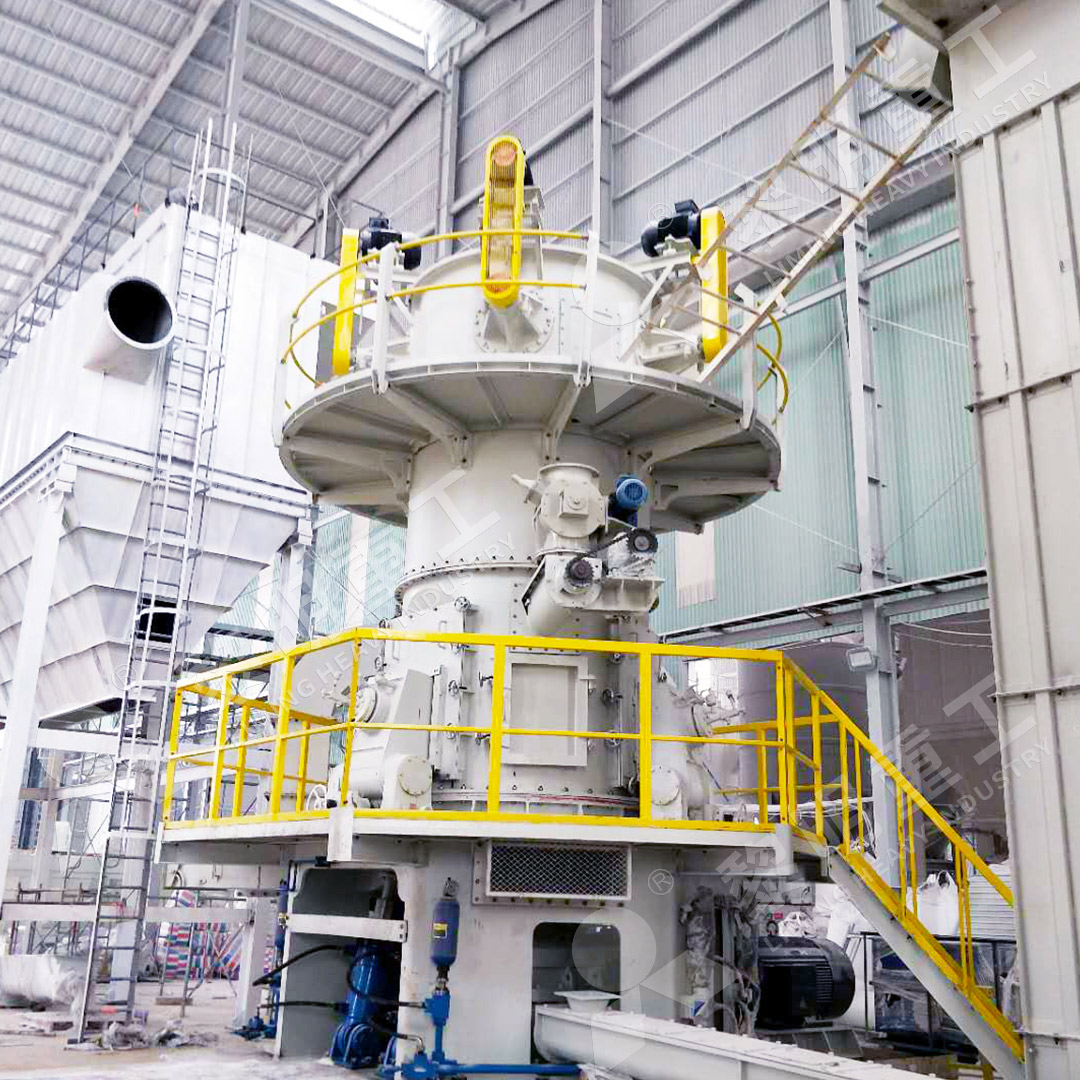
Another exceptional option from our portfolio is the LUM Ultrafine Vertical Grinding Mill. It integrates ultrafine powder grinding, grading, and transporting with remarkable efficiency. Featuring unique roller shell and lining plate grinding curves, it ensures a high rate of finished product in a single pass, improving both the efficiency and the whiteness of the zircon powder. Its multi-head powder separating technology and PLC control system reduce energy consumption by 30%-50% compared to common grinding mills.
Frequently Asked Questions (FAQ)
What is the typical price range for a small ball mill?
Prices can vary widely based on size, capacity, and configuration. Small lab-scale models may start in the thousands of dollars, while larger, industrial-capacity units can reach into the tens of thousands. It’s best to consult directly with manufacturers for accurate quotations based on your needs.
What are the main disadvantages of using a ball mill for zircon sand?
Key disadvantages include higher energy consumption per ton of product, potential for iron contamination from grinding media wear, less precise control over final particle size distribution, and longer grinding times to achieve ultra-fine fineness compared to advanced mills.
Why should I consider an MW Ultrafine Mill over a ball mill?
The MW Ultrafine Mill offers significantly higher energy efficiency (up to 70% savings vs. some mills), produces a finer and more consistent product (up to 2500 mesh), has no internal bearings to fail, allows for external lubrication, and operates with less noise and dust pollution, making it a more advanced, productive, and reliable solution for high-value minerals like zircon sand.
Can your mills handle the abrasive nature of zircon sand?
Absolutely. Our MW and LUM mills are constructed with high-precision, wear-resistant materials in critical areas. The design minimizes direct metal-to-metal contact in the grinding zone, and the use of advanced wear-resistant alloys ensures a long operational life even with highly abrasive materials like zircon sand.