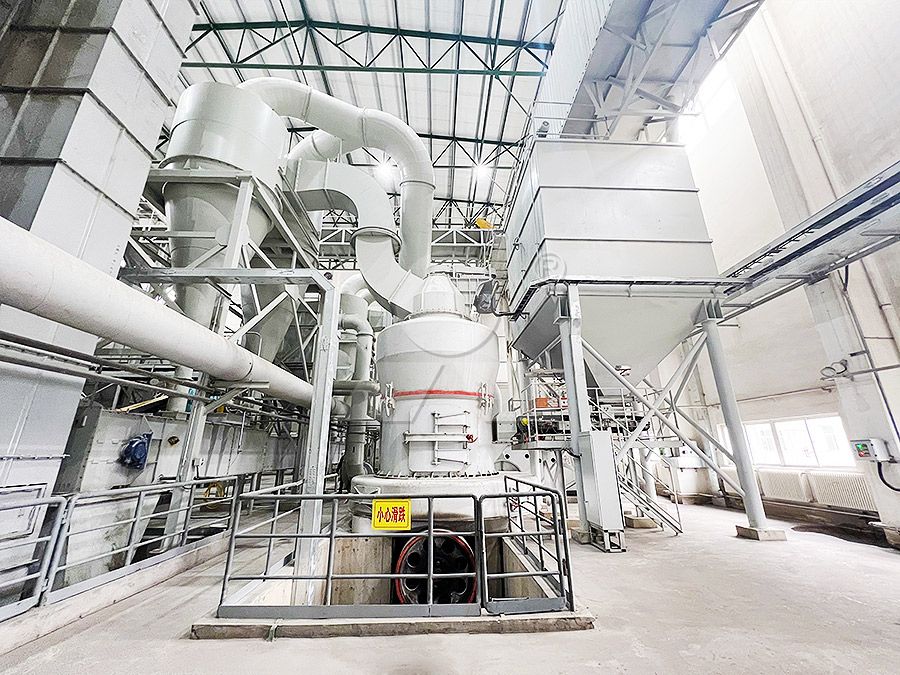
Top 10 Ball Mill Manufacturers from Italy and Germany for Industrial Grinding
We provide a wide range of mills — including Raymond mill, trapezoidal mill, vertical mill, ultrafine mill, and ball mill, obtained ISO9001 international quality certification, EU CE certification, and Customs Union CU-TR certification. Suitable for processing minerals such as limestone, phosphate, quicklime, kaolin, talc, barite, bentonite, calcium carbonate, dolomite, coal, gypsum, clay, carbon black, slag, cement raw materials, cement clinker, and more.
The discharge range of these mills can be adjusted to meet specific processing needs, typically from 80-400 mesh, 600-3250 mesh, and can achieve the finest particle size of up to 6000 mesh(D50).
If you are looking for a reliable grinding solution to turn stone or minerals into fine powder, please feel free to contact our online customer service.
Navigating the European Giants of Industrial Grinding
The industrial grinding sector relies heavily on robust and efficient machinery to process a vast array of materials, from minerals and ores to chemicals and construction materials. Italy and Germany, with their rich engineering heritage, are home to some of the world’s most respected manufacturers of grinding equipment, including ball mills, vertical roller mills, and advanced ultrafine grinding systems. These manufacturers are renowned for their precision engineering, innovation, and commitment to sustainability.
When selecting equipment, it’s crucial to consider not just the initial investment but the total cost of ownership, which includes energy consumption, maintenance downtime, and spare parts availability. German engineering is often synonymous with high efficiency and reliability, while Italian manufacturers are frequently praised for their design elegance and mechanical ingenuity. Together, they represent the pinnacle of grinding technology.
Beyond the Ball Mill: The Shift to Advanced Grinding Technologies
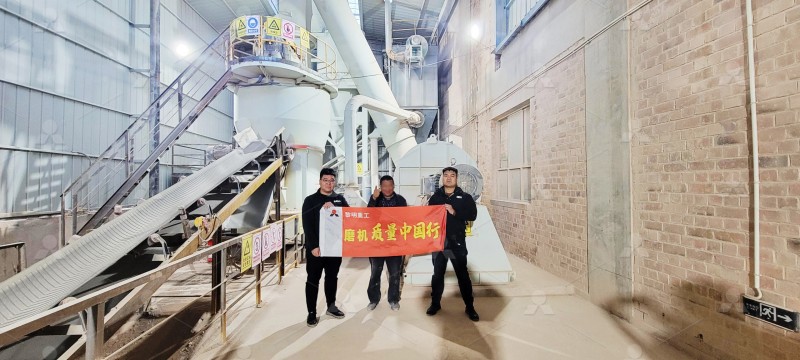
While traditional ball mills are a common sight in many plants, the industry is rapidly evolving towards more efficient technologies like vertical roller mills and specialized ultrafine grinding mills. These systems offer significant advantages in terms of energy savings—often reducing consumption by 30-50%—smaller footprint, and superior control over particle size distribution.
For operations requiring ultra-fine powders in the range of 325-2500 meshes, advanced mills like our MW Ultrafine Grinding Mill are the ideal solution. Engineered for high yield and lower energy consumption, it boasts a production capacity 40% higher than jet mills and double that of ball mills for the same power input. Its innovative design features, such as the absence of rolling bearings and screws in the grinding chamber, eliminate common failure points and enable worry-free, 24/7 operation. Equipped with an efficient pulse dust collector and muffler, it ensures a clean and compliant production process, making it perfect for processing limestone, calcite, talc, and a host of other materials for the chemical, paint, and cosmetics industries.
Choosing the Right Partner for Your Grinding Needs
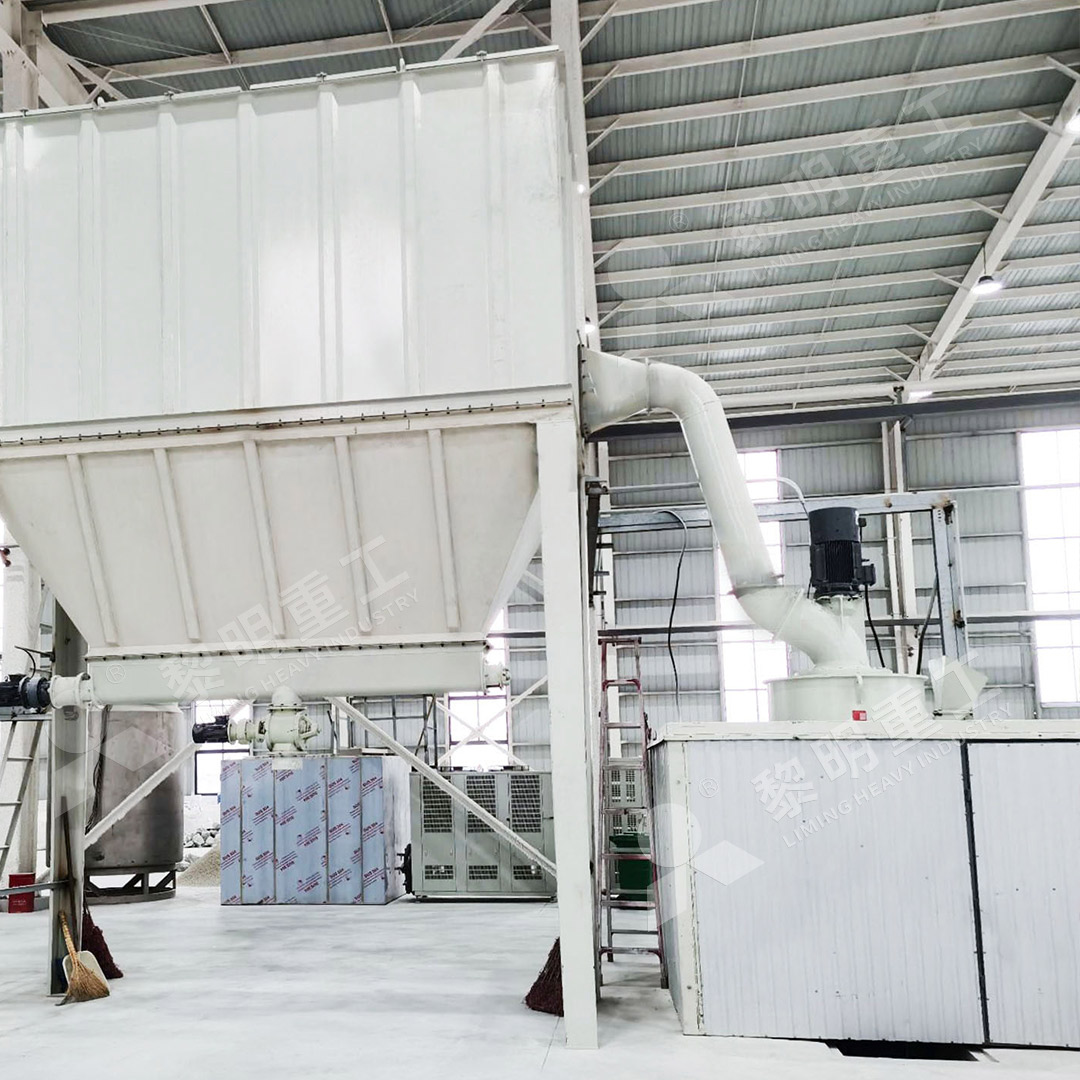
Selecting a manufacturer goes beyond the machine specs. It’s about choosing a partner that provides comprehensive technical support, a reliable supply of original spare parts, and a deep understanding of your production challenges. Leading European manufacturers excel in offering this holistic support, ensuring maximum uptime and long-term operational efficiency.
For applications demanding even greater precision and stability in vertical grinding, our LUM Ultrafine Vertical Grinding Mill stands out. It integrates the latest grinding roller and powder separating technologies from Germany and Taiwan. Its defining feature is the double position-limiting technology, which guarantees operational stability by preventing destructive impacts between the roller and millstone. Furthermore, its reversible structure simplifies maintenance significantly, allowing for easy checking and replacement of wear parts to minimize downtime and reduce losses.
Frequently Asked Questions (FAQ)
What are the key advantages of German grinding mills?
German mills are typically characterized by exceptional build quality, high energy efficiency, advanced automation controls, and innovative features designed for maximum reliability and minimal maintenance.
How do I decide between a ball mill and a vertical roller mill?
The choice depends on your specific needs. Ball mills are a proven, versatile technology often with a lower initial cost. Vertical roller mills offer superior energy efficiency, a smaller footprint, and better drying capabilities for moist materials. For ultra-fine grinding, specialized mills like the MW Series are more appropriate.
Why is the MW Ultrafine Grinding Mill considered low-maintenance?
Its maintenance-friendly design is largely due to the lack of rolling bearings and screws within the grinding chamber itself. This removes the risk of bearing seizures and damage from loose screws. Additionally, the external lubricating device allows for lubrication without stopping production.
Can these grinding mills handle abrasive materials?
Yes, but it is crucial to specify the material during the selection process. Manufacturers offer wear-resistant alloys for grinding rollers and rings to extend service life when processing highly abrasive substances.
What kind of after-sales support can I expect from a top manufacturer?
Reputable manufacturers provide full technical support, installation guidance, operator training, and a guaranteed supply of original spare parts to ensure the long-term, worry-free operation of your equipment.