
How to Download Free Ball Mill Efficiency Calculation Software
We provide a wide range of mills — including Raymond mill, trapezoidal mill, vertical mill, ultrafine mill, and ball mill, obtained ISO9001 international quality certification, EU CE certification, and Customs Union CU-TR certification. Suitable for processing minerals such as limestone, phosphate, quicklime, kaolin, talc, barite, bentonite, calcium carbonate, dolomite, coal, gypsum, clay, carbon black, slag, cement raw materials, cement clinker, and more.
The discharge range of these mills can be adjusted to meet specific processing needs, typically from 80-400 mesh, 600-3250 mesh, and can achieve the finest particle size of up to 6000 mesh(D50).
If you are looking for a reliable grinding solution to turn stone or minerals into fine powder, please feel free to contact our online customer service.
How to Download Free Ball Mill Efficiency Calculation Software
For engineers and plant managers in the mineral processing and grinding industries, accurately calculating ball mill efficiency is crucial for optimizing production, reducing energy consumption, and maximizing profitability. While manual calculations are possible, they are time-consuming and prone to error. Specialized software can automate these complex calculations, providing quick and reliable results.
Finding the Right Tool for the Job
Several resources online offer basic calculation tools or demos for grinding efficiency. A simple web search for terms like “free ball mill efficiency calculator” or “grinding mill performance software” can yield results. Often, engineering forums, industry association websites, or university mining departments host simple, downloadable spreadsheets or standalone applications. These tools typically require inputs such as mill dimensions, feed size, product size, power draw, and material characteristics to compute key performance indicators like specific energy consumption.
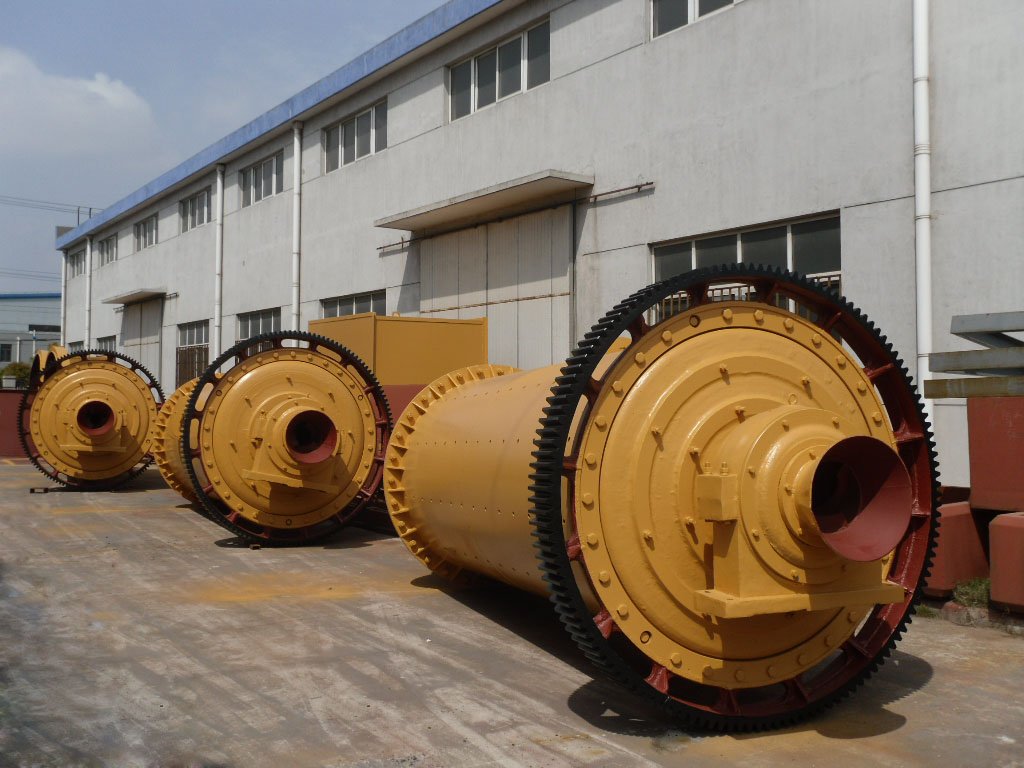
Beyond Basic Calculations: The Need for Advanced Grinding Solutions
While free software is useful for basic estimations, real-world grinding operations demand more sophisticated and efficient technology. Traditional ball mills, though common, are often energy-intensive and can have limitations in achieving ultra-fine fineness with high efficiency. This is where modern grinding technology makes a significant impact.
For operations requiring superior efficiency and the production of ultra-fine powders, the MW Ultrafine Grinding Mill represents a technological leap forward. Designed for customers needing to make ultra-fine powder, this mill is engineered for higher yielding and lower energy consumption. Its newly designed grinding curves of the roller and ring enhance grinding efficiency dramatically. With the same fineness and power, its production capacity is 40% higher than jet mills and twice as large as ball mills, while system energy consumption is only 30% of a jet mill. It produces powder with adjustable fineness between 325-2500 meshes, making it ideal for materials like limestone, calcite, dolomite, and talc used in chemicals, paint, and cosmetics.
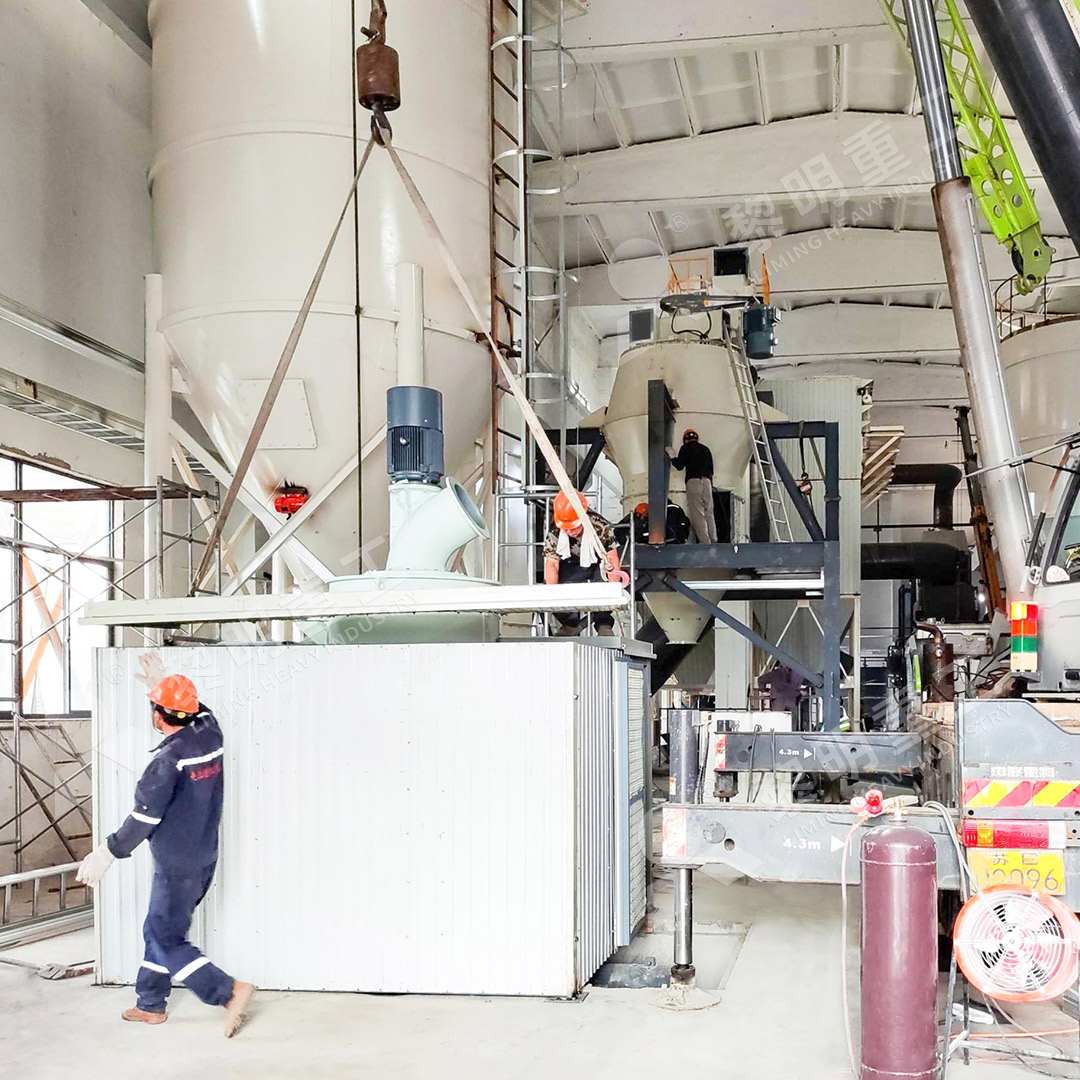
Another Powerful Option for Fine Grinding
Another exceptional solution from our portfolio is the LUM Ultrafine Vertical Grinding Mill. Independently designed with the latest Taiwanese grinding roller and German powder separating technology, it integrates grinding, grading, and transporting. It features a unique roller shell and lining plate grinding curve that is easier to generate a material layer, enabling a high rate of finished products from a single pass. This design greatly enhances efficiency and improves the whiteness and cleanliness of the final product. It also incorporates multi-head powder separating technology and a PLC control system, reducing energy consumption by 30%-50% compared to common grinding mills.
Getting Your Free Calculation Software
The process to find and download free calculation software is generally straightforward:
- Identify Your Needs: Determine the specific calculations you need (e.g., specific energy, critical speed, charge volume).
- Search Reputable Sources: Look on websites of professional engineering societies (e.g., SME), mining equipment manufacturers’ resource pages, or academic institutions.
- Download and Verify: Download the tool, ensuring your antivirus software is active. Always check the source’s credibility.
- Input Data Accurately: Use operational data from your plant for the most accurate results. Remember, the output is only as good as the input.
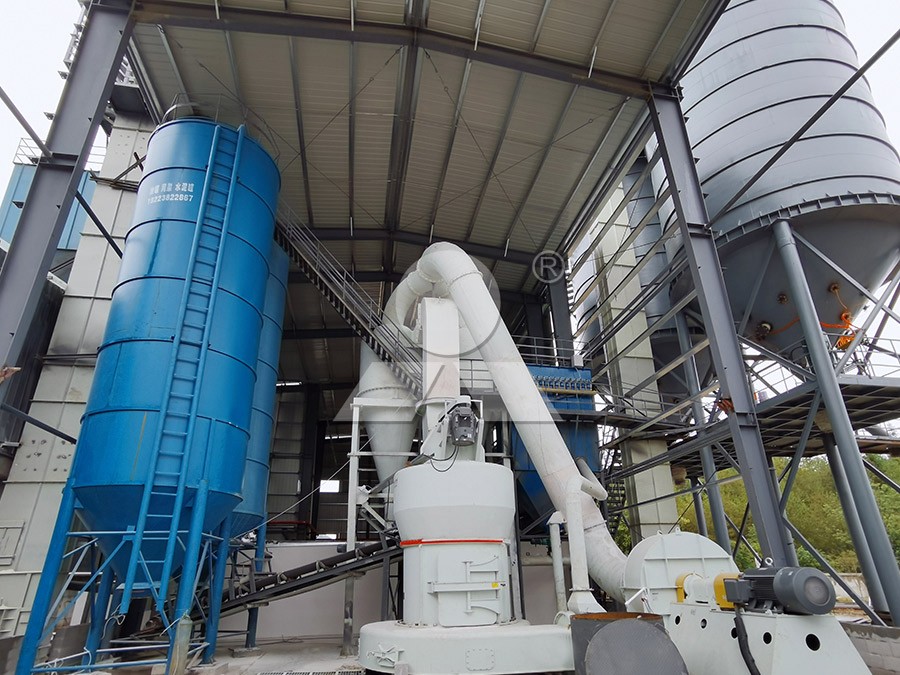
These free tools are excellent for initial assessments and learning. However, for day-to-day optimization and serious process improvement, investing in advanced grinding technology like the MW or LUM mills often provides a much greater return on investment through massive energy savings and dramatically increased production rates.
Frequently Asked Questions (FAQ)
Is free ball mill efficiency software accurate enough for professional use?
Free software can provide a good preliminary estimate but may lack the sophistication for complex, real-world scenarios. Its accuracy depends heavily on the quality of the input data and the algorithms used. For critical decision-making, it should be supplemented with manufacturer data and expert consultation.
What are the key parameters I need to use these calculators?
You will typically need mill dimensions (diameter, length), operating speed, ball load and size distribution, feed and product size (e.g., P80), power consumption, and details about the material being ground.
My ball mill is inefficient. Should I just rely on software to optimize it?
Software can identify areas for improvement, but there may be fundamental limitations to older technology. Often, the most significant gains come from upgrading the equipment itself. Modern mills like the MW Ultrafine Grinding Mill are designed from the ground up for maximum efficiency and lower operational costs, often making a retrofit or replacement a more effective long-term solution than trying to optimize an inherently inefficient system.
Are there any hidden costs with free software?
While the software itself is free, be cautious of programs that require sign-ups for expensive newsletters, lack technical support, or are outdated and incompatible with modern operating systems. Always download from a trusted source.