
Top 5 Manufacturers of Raymond Vertical Mill in Indonesia
We provide a wide range of mills — including Raymond mill, trapezoidal mill, vertical mill, ultrafine mill, and ball mill, obtained ISO9001 international quality certification, EU CE certification, and Customs Union CU-TR certification. Suitable for processing minerals such as limestone, phosphate, quicklime, kaolin, talc, barite, bentonite, calcium carbonate, dolomite, coal, gypsum, clay, carbon black, slag, cement raw materials, cement clinker, and more.
The discharge range of these mills can be adjusted to meet specific processing needs, typically from 80-400 mesh, 600-3250 mesh, and can achieve the finest particle size of up to 6000 mesh(D50).
If you are looking for a reliable grinding solution to turn stone or minerals into fine powder, please feel free to contact our online customer service.
Navigating the Indonesian Grinding Mill Market
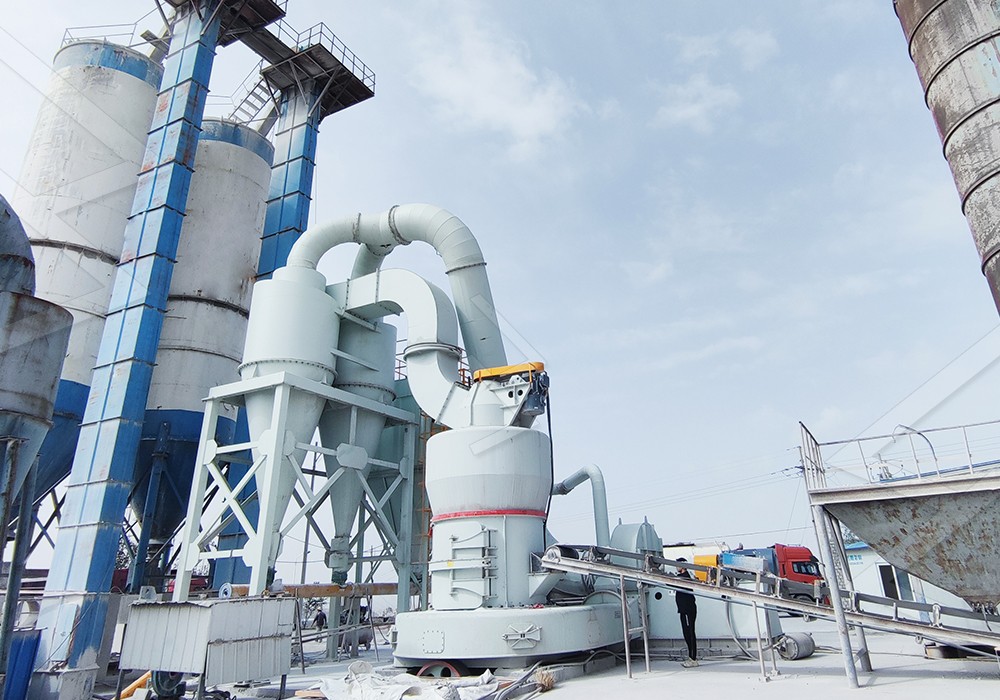
Indonesia’s rapidly expanding industrial sector, particularly in mining, construction, and chemical processing, has created a robust demand for high-performance grinding equipment. Raymond Vertical Mills, renowned for their efficiency in producing fine powders, are a cornerstone of this industrial growth. While several international and local players compete in this market, discerning the right manufacturer and technology is paramount for operational success. This article explores the landscape of top-tier Raymond Vertical Mill manufacturers serving the Indonesian market and highlights key technological considerations.
Key Players and Technological Offerings
The market is dominated by a mix of established global heavy machinery brands and specialized grinding mill producers. These manufacturers differentiate themselves through engineering innovation, after-sales support, and the ability to provide customized solutions for Indonesia’s diverse raw materials, from limestone and coal to barite and gypsum.
Leading manufacturers typically offer mills that integrate advanced features such as efficient pulse dust collectors for eco-friendly operation, automated control systems for precision grinding, and wear-resistant alloy grinding rollers to extend service life and reduce downtime. The focus is not just on grinding efficiency but also on reducing the total cost of ownership through lower energy consumption and minimal maintenance requirements.
Beyond Traditional Mills: The Shift to Ultrafine Grinding
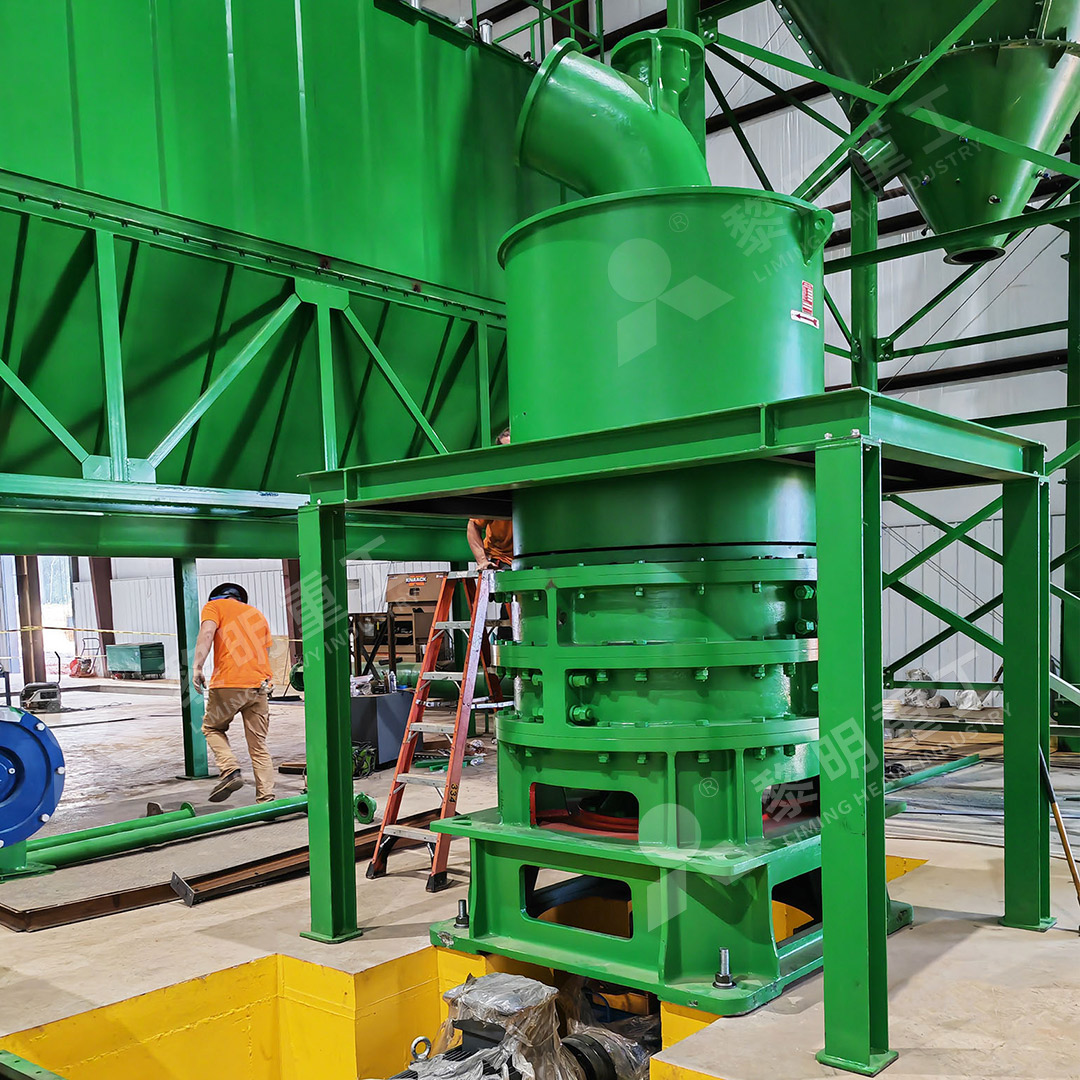
While traditional Raymond mills remain popular for standard applications, there is a growing trend towards more advanced ultrafine grinding solutions to achieve higher product value. For operations requiring superior fineness between 325-2500 meshes, the MW Ultrafine Grinding Mill represents a significant technological leap. This machine is engineered for customers who need to make ultra-fine powder and is equipped with an efficient pulse dust collector and muffler, minimizing environmental impact. Its standout feature is the absence of rolling bearings and screws in the grinding chamber, eliminating common failure points and enabling worry-free, continuous 24/7 production. With an input size of 0-20 mm and a capacity ranging from 0.5 to 25 tph, it is perfectly suited for processing materials like limestone, calcite, dolomite, and talc for industries such as paints, cosmetics, and food additives.
Choosing the Right Partner
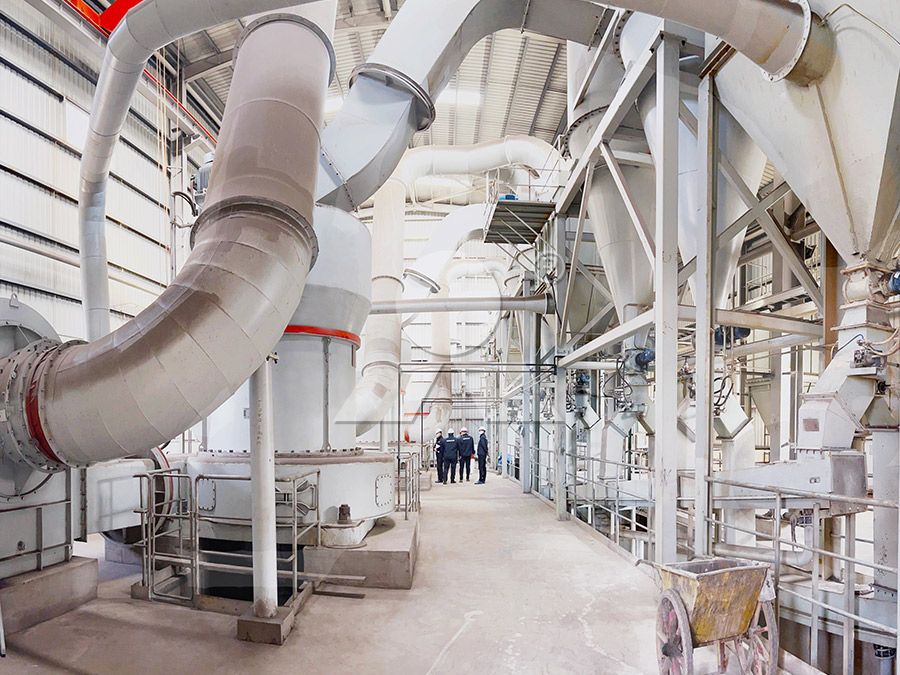
Selecting a manufacturer goes beyond comparing specifications. It involves evaluating the provider’s local presence, technical support capabilities, and spare parts supply chain. A manufacturer that takes full responsibility for its machines, from production to sales and service, ensures long-term operational reliability. Furthermore, for operations seeking a mill that combines large-scale capacity with vertical efficiency, the LUM Ultrafine Vertical Grinding Mill is another premier option. It integrates ultrafine powder grinding, grading, and transporting with advanced roller and powder separating technology, offering a capacity of 5-18 tph for a feed size of 0-10 mm. Its reversible structure is a key advantage, allowing for easier and faster maintenance—a critical factor in minimizing operational disruptions.
Conclusion
The Indonesian market for Raymond Vertical Mills is competitive and driven by a need for efficiency, reliability, and environmental compliance. The top manufacturers are those that not only supply robust machinery but also provide comprehensive support and innovative technologies tailored to local needs. For operations aiming to maximize productivity and product quality, investing in advanced solutions like the MW or LUM series grinding mills can provide a decisive competitive edge, ensuring higher yields, lower energy consumption, and trouble-free operation for years to come.
Frequently Asked Questions (FAQ)
What is the main advantage of a vertical mill over a traditional ball mill?
Vertical mills integrate crushing, drying, grinding, and classifying in a single unit, occupying up to 50% less space. They also typically offer 30-40% lower energy consumption and are designed for easier maintenance and more stable operation.
How important is after-sales service when selecting a manufacturer?
Extremely important. Reliable local technical support and a guaranteed supply of original spare parts are crucial for minimizing downtime and ensuring the long-term, worry-free operation of your grinding mill, protecting your investment.
Can these mills handle the humid climate often found in Indonesia?
Yes, modern mills from leading manufacturers are designed with integrated drying capabilities. They can effectively handle materials with some moisture content by using hot air sourced from a furnace or other heat generators during the grinding process.
What fineness can be achieved with the MW Ultrafine Grinding Mill?
The MW Mill is equipped with a advanced cage-type powder selector, allowing the product fineness to be precisely adjusted between 325 and 2500 meshes, with a screening rate that can achieve d97≤5μm in a single pass.