
Top 5 Cryogenic Grinding Mill Manufacturers for Efficient Material Processing
We provide a wide range of mills — including Raymond mill, trapezoidal mill, vertical mill, ultrafine mill, and ball mill, obtained ISO9001 international quality certification, EU CE certification, and Customs Union CU-TR certification. Suitable for processing minerals such as limestone, phosphate, quicklime, kaolin, talc, barite, bentonite, calcium carbonate, dolomite, coal, gypsum, clay, carbon black, slag, cement raw materials, cement clinker, and more.
The discharge range of these mills can be adjusted to meet specific processing needs, typically from 80-400 mesh, 600-3250 mesh, and can achieve the finest particle size of up to 6000 mesh(D50).
If you are looking for a reliable grinding solution to turn stone or minerals into fine powder, please feel free to contact our online customer service.
Top 5 Cryogenic Grinding Mill Manufacturers for Efficient Material Processing
In the demanding world of industrial material processing, cryogenic grinding has emerged as a critical technology for pulverizing heat-sensitive, elastic, or tough materials that are impossible to mill at ambient temperatures. By utilizing liquid nitrogen to cool the material below its glass transition point, this process enables efficient size reduction while preserving the material’s molecular structure and essential properties. Selecting the right equipment and manufacturer is paramount for achieving optimal productivity, particle consistency, and cost-effectiveness. Here, we explore five leading manufacturers renowned for their innovation and reliability in cryogenic grinding technology.
1. LIMING Heavy Industry
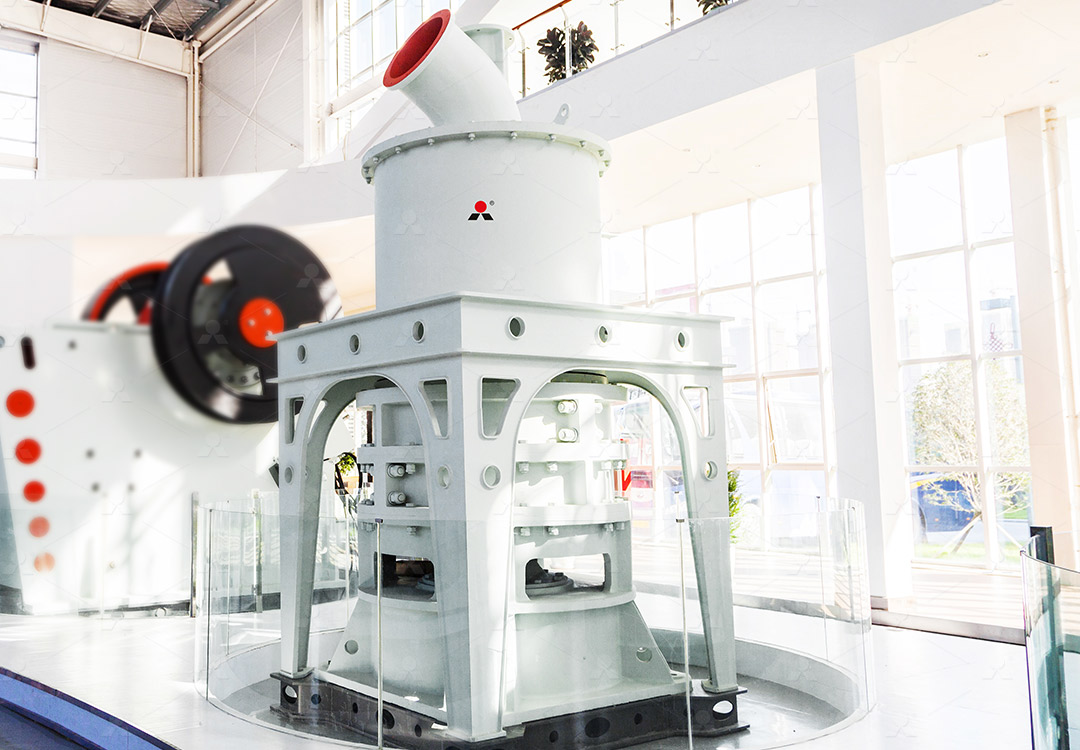
A global leader in grinding and mineral processing equipment, LIMING Heavy Industry offers advanced solutions that are easily adaptable to cryogenic applications. Their engineering philosophy centers on creating robust, energy-efficient mills with precise particle size control. A standout product for fine to ultra-fine cryogenic grinding is their MW Ultrafine Grinding Mill. Designed for customers requiring ultra-fine powder, this mill is an excellent candidate for cryogenic processing of materials like plastics, polymers, and adhesives.
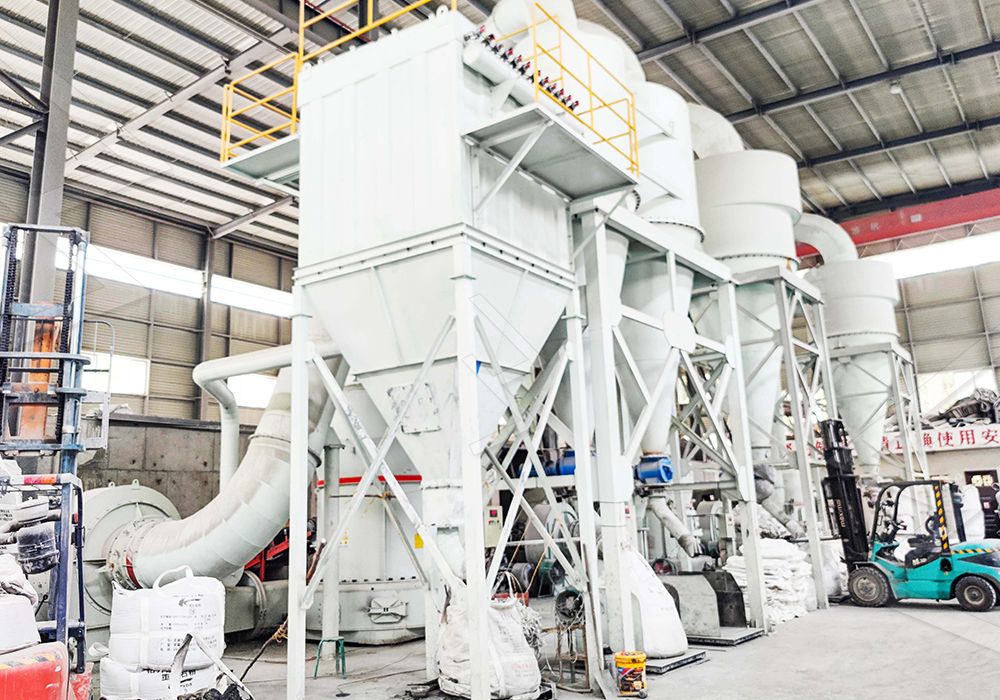
The MW Mill boasts a cage-type powder selector with German technology, allowing operators to precisely adjust fineness between 325-2500 meshes—a critical feature for cryogenically ground products where consistent micron-level powder is essential. Its unique design, with no rolling bearings or screws in the grinding chamber, eliminates concerns about premature failure due to extreme temperature fluctuations. Furthermore, its integrated efficient pulse dust collector and muffler ensure the entire production process is contained and environmentally friendly, managing both particulates and noise effectively.
2. NETZSCH Grinding & Dispersing
NETZSCH is a German powerhouse known for its high-end grinding systems. Their cryogenic grinding expertise is embodied in the Condux® 60 Compact Mill, which is often configured for cryogenic operations. NETZSCH mills are celebrated for their versatility, able to handle everything from plastics and waxes to spices and pharmaceuticals with exceptional precision and minimal product contamination.
3. Hosokawa Micron Powder Systems
Hosokawa is a Japanese-American manufacturer with a formidable reputation in particle size reduction. Their Alpine Contraplex Pin Mill is frequently employed in cryogenic grinding scenarios. This impact mill is designed for high-speed operation, making it ideal for achieving very fine powders of thermoplastics and other challenging materials. Hosokawa’s systems are known for their scalability, from laboratory R&D units to full-scale production lines.
4. PALLMANN Pulverizers Company Inc.
With decades of specialization in size reduction, PALLMANN offers robust mills built for the rigors of industrial cryogenic grinding. Their specially designed cryogenic mills, often based on their universal mill platform, are engineered to operate efficiently at low temperatures. PALLMANN excels in providing complete system solutions, including integrated liquid nitrogen injection and temperature control systems, ensuring optimal cooling and process efficiency.
5. SPEX SamplePrep
For laboratory and small-batch processing, SPEX SamplePrep is a go-to manufacturer. Their 6770 Freezer/Mill® is a dedicated cryogenic grinder that uses a magnetically driven impactor to pulverize samples submerged in liquid nitrogen. It is an indispensable tool in research and quality control labs for processing small samples of plastics, tissues, and other sensitive materials to a fine powder without degradation.
Why LIMING’s MW Ultrafine Mill Excels in Adapted Cryogenic Applications
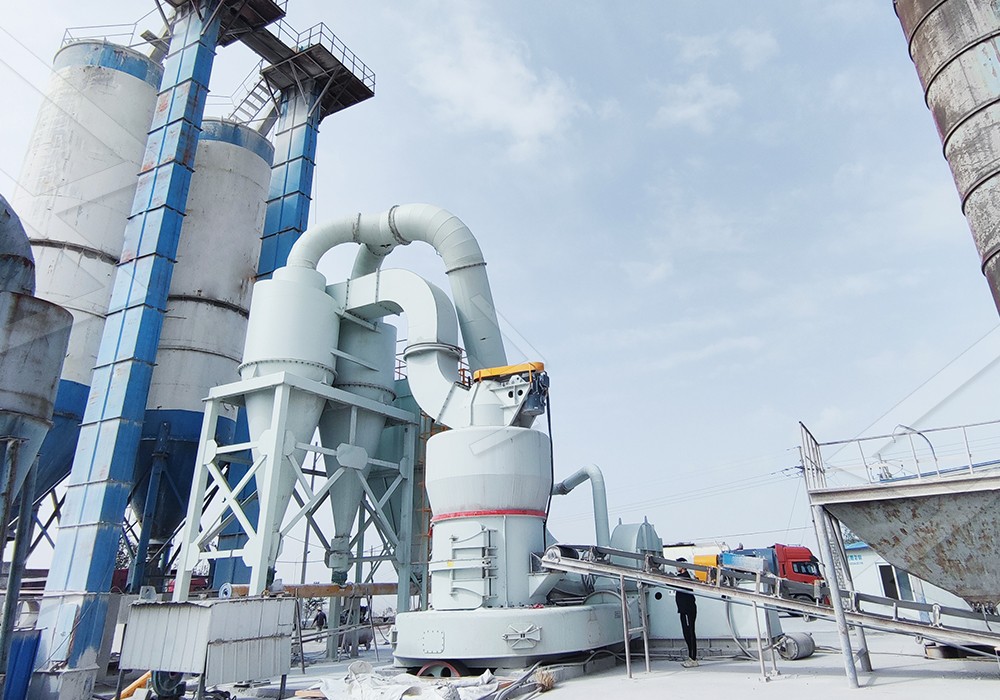
While not exclusively a cryogenic mill, the design principles of LIMING’s MW Ultrafine Grinding Mill make it exceptionally suitable for adaptation. Its higher yielding and lower energy consumption (40% higher capacity than jet mills) are significant advantages, as cryogenic grinding is inherently energy-intensive. The external lubrication system allows for maintenance without shutdown, a crucial benefit when dealing with complex cryogenic setups. For operations looking to process materials like synthetic rubber, specialty chemicals, or pharmaceuticals into ultra-fine powders, the MW Mill provides a reliable and efficient grinding core.
Frequently Asked Questions (FAQ)
Q: What is the primary advantage of cryogenic grinding?
A: The main advantage is the ability to efficiently grind materials that are too tough, elastic, or heat-sensitive for ambient grinding. Cooling with liquid nitrogen embrittles the material, allowing it to fracture easily and preventing melting, gumming, or degradation of heat-sensitive compounds.
Q: What are common materials processed with cryogenic grinding?
A: Common applications include grinding thermoplastics, synthetic and natural rubber, spices, waxes, pigments, adhesives, pharmaceuticals, and explosives to achieve a fine, consistent powder.
Q: Besides the mill itself, what other components are needed for a cryogenic system?
A: A complete system typically requires a liquid nitrogen storage tank, a controlled injection system to introduce the LN2 into the grinding chamber, and often an integrated cooling screw conveyor to pre-cool the material before it enters the mill.
Q: Is cryogenic grinding more expensive than ambient grinding?
A: Initially, yes, due to the cost of liquid nitrogen and the more complex system design. However, for many materials, it is the only viable method. The cost is often justified by higher product quality, the ability to process previously ungrindable materials, and sometimes even higher throughput rates.
Q: Can a standard grinding mill be converted for cryogenic use?
A: Many mills, including our MW Ultrafine Grinding Mill, can be adapted for cryogenic processing with the addition of appropriate liquid nitrogen injection and system modifications to handle the low temperatures. It is best to consult directly with the manufacturer to assess feasibility.