
Top 5 Electric Driven Posho Mill Manufacturers in Kenya for Reliable Maize Grinding
We provide a wide range of mills — including Raymond mill, trapezoidal mill, vertical mill, ultrafine mill, and ball mill, obtained ISO9001 international quality certification, EU CE certification, and Customs Union CU-TR certification. Suitable for processing minerals such as limestone, phosphate, quicklime, kaolin, talc, barite, bentonite, calcium carbonate, dolomite, coal, gypsum, clay, carbon black, slag, cement raw materials, cement clinker, and more.
The discharge range of these mills can be adjusted to meet specific processing needs, typically from 80-400 mesh, 600-3250 mesh, and can achieve the finest particle size of up to 6000 mesh(D50).
If you are looking for a reliable grinding solution to turn stone or minerals into fine powder, please feel free to contact our online customer service.
Top 5 Electric Driven Posho Mill Manufacturers in Kenya for Reliable Maize Grinding
Kenya’s agricultural sector heavily relies on maize as a staple food, making efficient milling solutions crucial for small-scale and large-scale farmers alike. Electric-driven posho mills have revolutionized maize grinding, offering higher efficiency, lower operational costs, and environmental benefits compared to traditional diesel-powered alternatives. Here, we highlight the top 5 manufacturers in Kenya known for their reliable electric posho mills, along with a spotlight on advanced grinding solutions from LIMING.
1. Muharata Agri Machinery
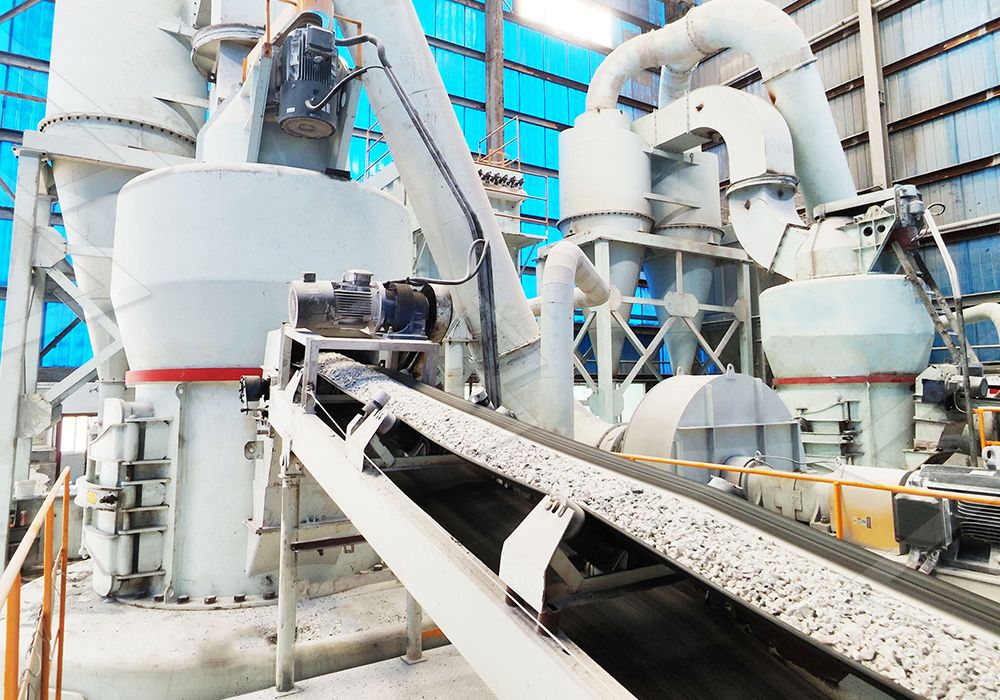
Muharata is a household name in Kenya’s milling industry, offering robust electric posho mills tailored for rural and urban markets. Their machines feature durable stainless steel components and adjustable grinding plates for fine or coarse flour. Muharata’s after-sales service network ensures timely maintenance support.
2. Kafum Engineering Services
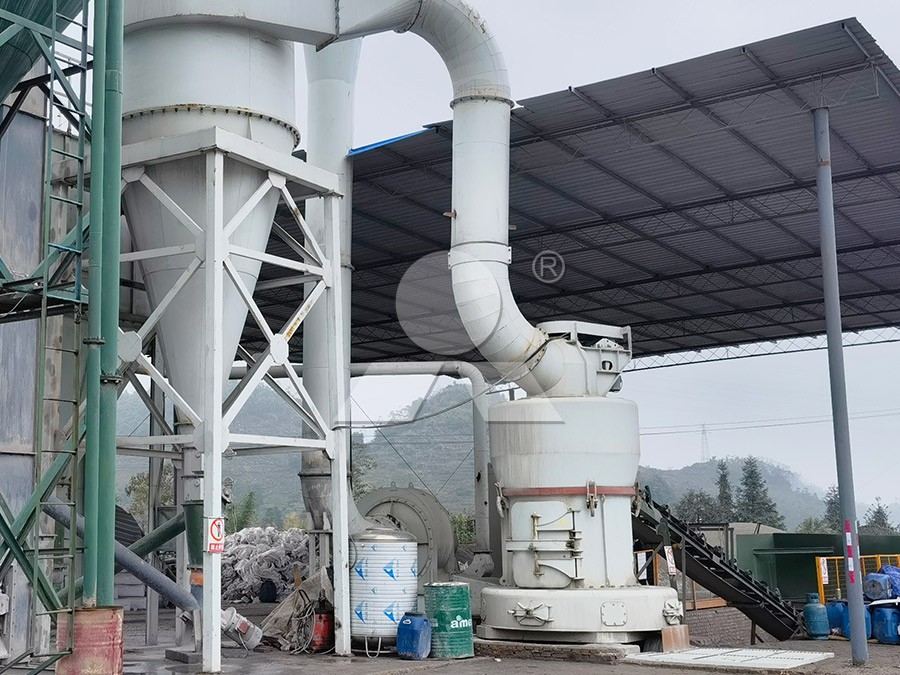
Kafum specializes in energy-efficient posho mills with capacities ranging from 500kg to 2 tons per hour. Their patented noise-reduction technology makes these mills ideal for residential areas. Kafum’s integrated sifting systems produce uniformly fine flour preferred by commercial bakeries.
3. Nyagah Mechanical Engineering
Nyagah’s modular-designed posho mills allow easy upgrades from single-phase to three-phase motors as businesses expand. Their standout feature is the auto-temperature control system that prevents overheating during prolonged use—a common pain point in Kenya’s tropical climate.
4. Rajkumar Agro Engineers
This Indian-Kenyan joint venture offers heavy-duty mills capable of processing 3-5 tons/hour. Rajkumar’s mills incorporate German-made bearings and Japanese-grade steel rollers, ensuring longevity even with abrasive Kenyan maize varieties. Their 5-year warranty is the industry’s most comprehensive.
5. Savanna Millers Equipment
Savanna’s IoT-enabled smart mills allow remote monitoring of performance metrics via mobile apps—a game-changer for cooperative-owned milling stations. Their machines automatically adjust grinding pressure based on maize moisture content, optimizing energy use.
Advanced Grinding Solutions from LIMING
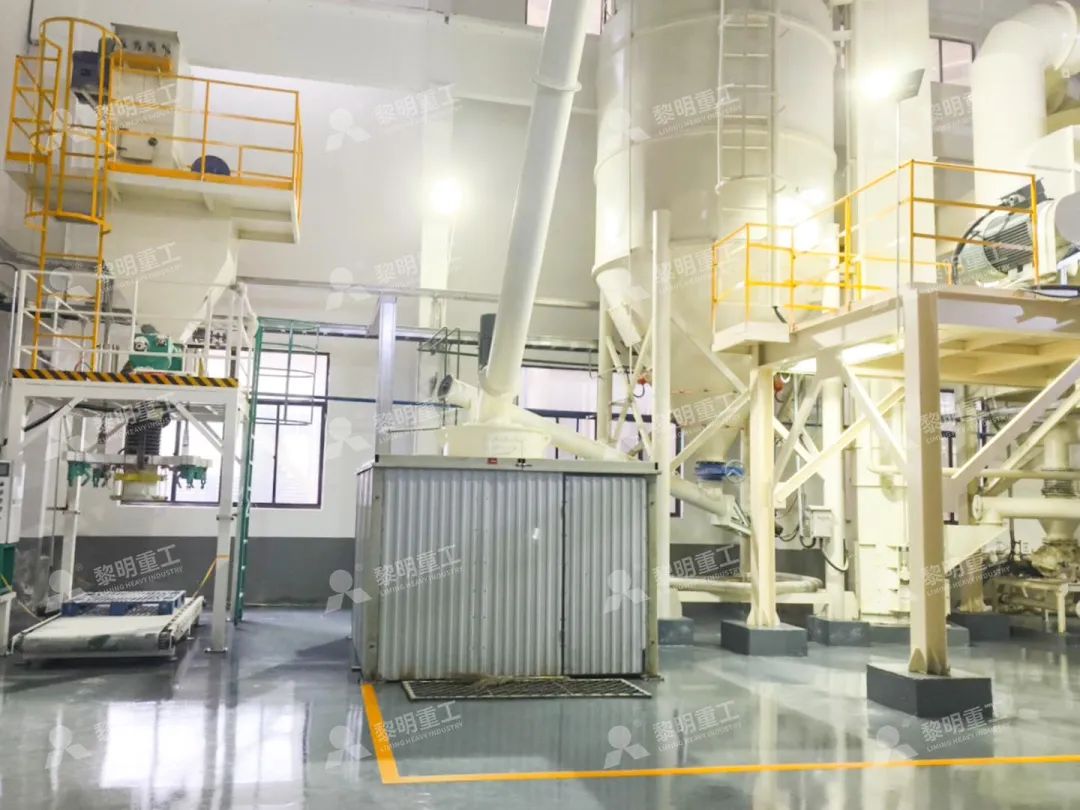
For operations requiring industrial-scale maize processing beyond traditional posho mills, LIMING’s MW Ultrafine Grinding Mill delivers unparalleled performance:
- Higher Yielding, Lower Energy Consumption: 40% more output than conventional mills with 30% less power usage
- Adjustable Fineness (325-2500 meshes): German-designed powder selector ensures precise flour grading
- Eco-Friendly Operation: Integrated pulse dust collector and silencer meet strict environmental standards
The LUM Ultrafine Vertical Grinding Mill is another premium choice featuring:
- Taiwanese grinding roller technology for 30-50% energy savings
- PLC-controlled multi-head powder separation for consistent quality
- Reversible maintenance design minimizing downtime
Choosing the Right Mill
When selecting between traditional posho mills and industrial grinders, consider:
- Scale: Small farms (1-2 tons/day) can use standard posho mills, while cooperatives need LIMING’s heavy-duty solutions
- Flour Quality: Commercial bakeries require ultra-fine flour achievable only with advanced mills
- Total Cost: Industrial mills have higher upfront costs but lower per-unit grinding expenses over time
Kenya’s milling technology continues evolving, blending local manufacturing expertise with global innovations like LIMING’s grinding systems. Whether you need a basic posho mill or industrial-grade equipment, these top manufacturers offer reliable solutions for every budget and production scale.