
Hammer Mills for Sale in Australia: A Buyer’s Guide for Industrial Operations
We provide a wide range of mills — including Raymond mill, trapezoidal mill, vertical mill, ultrafine mill, and ball mill, obtained ISO9001 international quality certification, EU CE certification, and Customs Union CU-TR certification. Suitable for processing minerals such as limestone, phosphate, quicklime, kaolin, talc, barite, bentonite, calcium carbonate, dolomite, coal, gypsum, clay, carbon black, slag, cement raw materials, cement clinker, and more.
The discharge range of these mills can be adjusted to meet specific processing needs, typically from 80-400 mesh, 600-3250 mesh, and can achieve the finest particle size of up to 6000 mesh(D50).
If you are looking for a reliable grinding solution to turn stone or minerals into fine powder, please feel free to contact our online customer service.
Hammer Mills for Sale in Australia: A Buyer’s Guide for Industrial Operations
Selecting the right hammer mill is a critical decision for Australian industrial operations, impacting productivity, operational costs, and final product quality. The diverse and often demanding Australian landscape—from mining and minerals processing to agriculture and chemical production—requires robust, efficient, and reliable grinding equipment. This guide will help you navigate the key considerations and highlight a superior solution for ultra-fine grinding needs.
Key Considerations When Choosing a Hammer Mill
Before investing, it’s essential to evaluate your specific operation against several core criteria:
- Material Characteristics: What is the hardness, moisture content, and abrasiveness of your raw material? This determines the required mill power and the wear resistance needed from internal components.
- Desired Output Capacity (tph): Your production targets will dictate the size and power of the mill you need.
- Target Particle Size (Fineness): Different applications require different fineness levels, from coarse grinding to ultra-fine powders measured in microns.
- Operational Costs: Look beyond the initial purchase price. Energy consumption, maintenance frequency, and the cost and availability of spare parts are significant long-term factors.
- Environmental and Safety Compliance: Australian regulations demand strict control over dust and noise pollution. A modern mill should integrate effective dust collection and noise reduction systems.
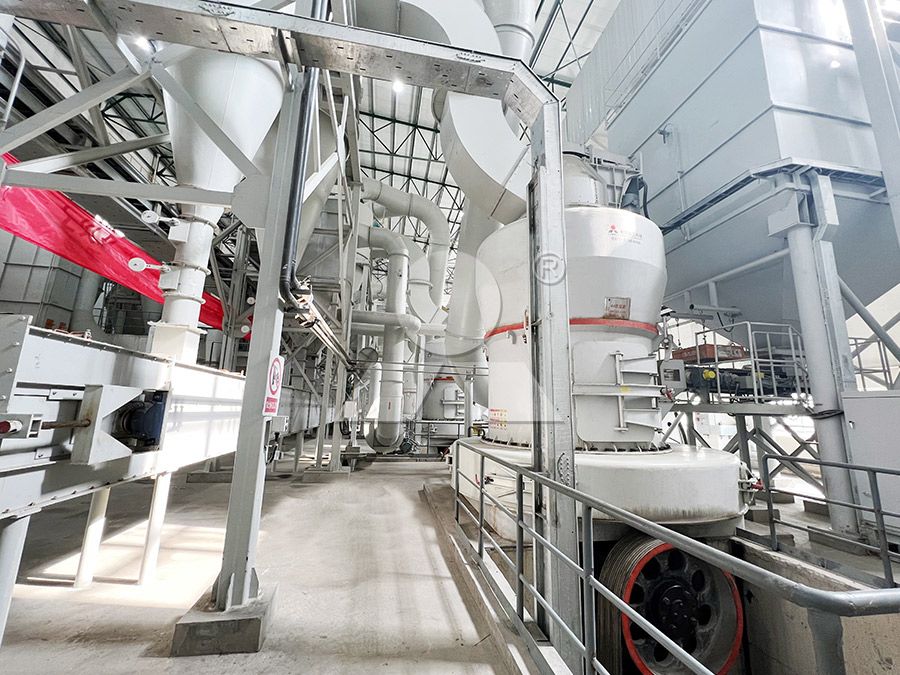
Beyond Traditional Hammer Mills: The Need for Ultra-Fine Grinding
While traditional hammer mills are excellent for many coarse to medium-fine applications, sectors like chemicals, advanced materials, pharmaceuticals, and high-value additives increasingly demand ultra-fine powders with precise particle size distribution. For these advanced applications, a specialized grinding mill is not just an upgrade—it’s a necessity.
Recommended Solution: The MW Ultrafine Grinding Mill
For operations requiring superior fineness and efficiency, the MW Ultrafine Grinding Mill stands out as a premier choice. Engineered for customers who need to make ultra-fine powder between 325-2500 meshes, this machine is a testament to modern grinding technology.
Key Advantages for Australian Operators:
- Higher Yielding, Lower Energy Consumption: Its newly designed grinding curves enhance efficiency, offering production capacity 40% higher than jet mills while reducing system energy consumption by 30%.
- Precision Particle Control: A German-technology, cage-type powder selector allows precise adjustment of fineness, ensuring your product consistently meets d97≤5μm specifications.
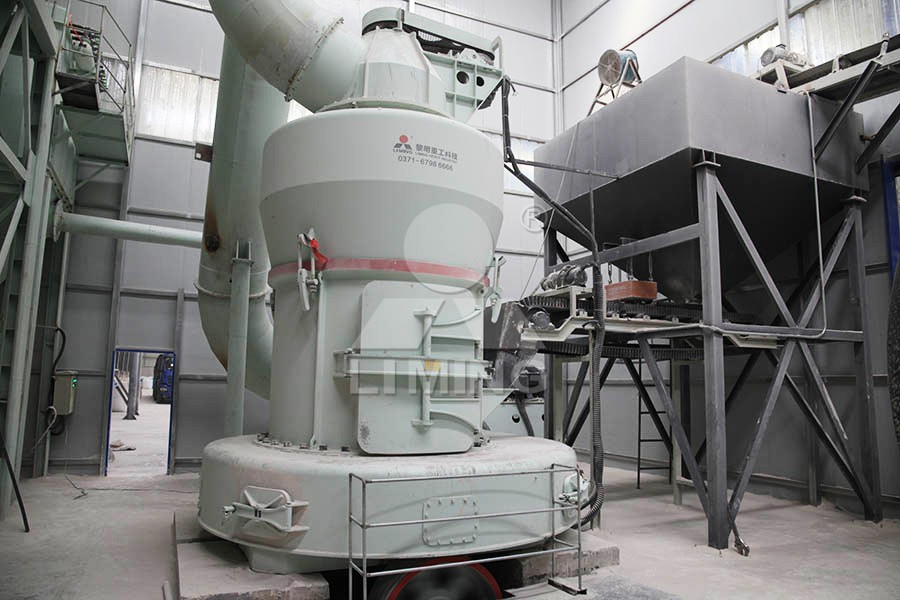
- Enhanced Reliability: With no rolling bearings or screws in the grinding chamber, the risks of mechanical failure are drastically reduced. External lubrication allows for 24/7 continuous operation without shutdowns for maintenance.
- Eco-Friendly Operation: Fully equipped with an efficient pulse dust collector and silencer, the MW Mill operates cleanly and quietly, easily meeting national environmental protection standards—a crucial factor for Australian sites.
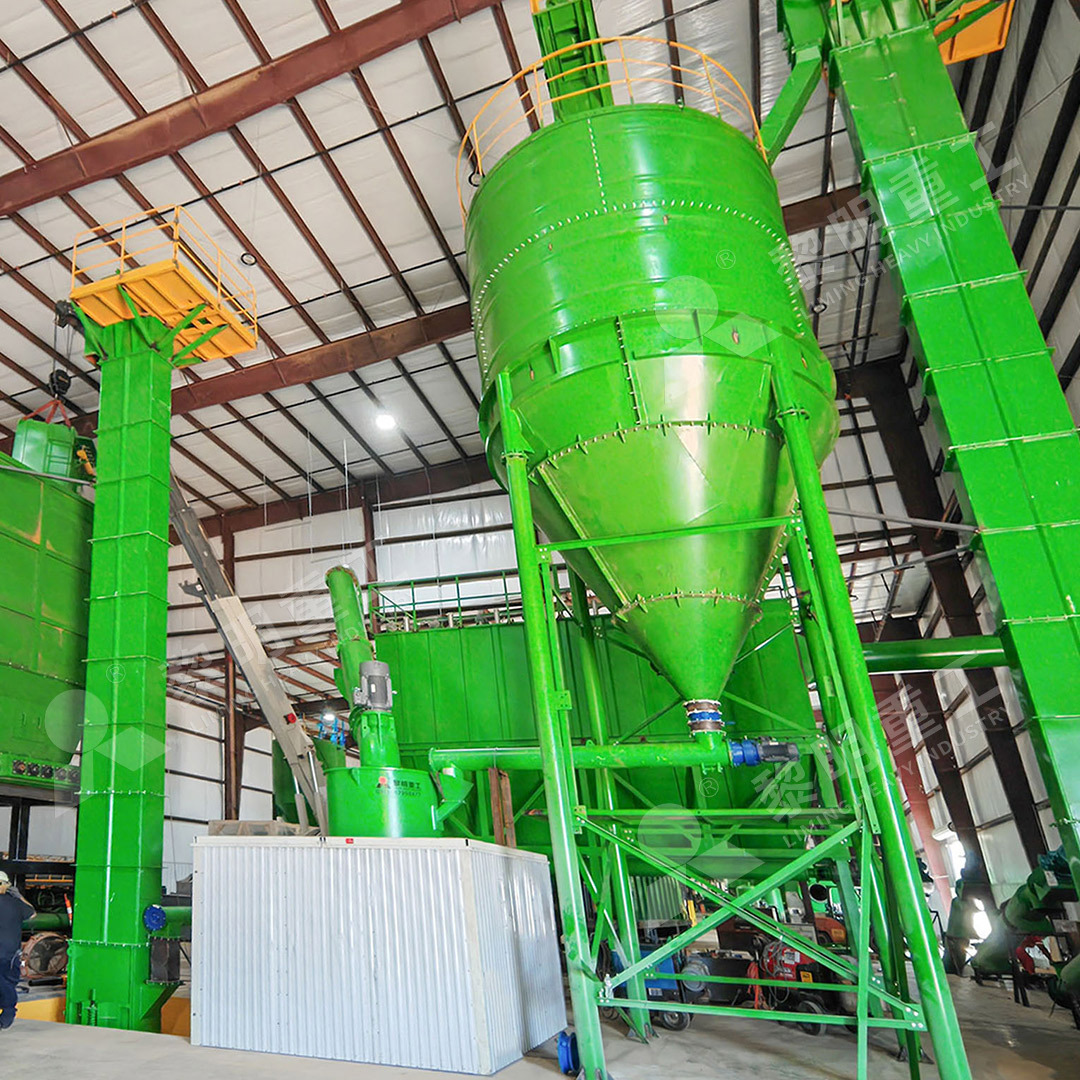
Is the MW Mill Right for Your Material?
The MW Ultrafine Grinding Mill is exceptionally versatile, handling a wide range of materials including limestone, calcite, dolomite, petroleum coal, gypsum, barite, talc, and more. It is particularly well-suited for the chemical industry, paint, cosmetics, medicine, and food additive production where purity and fineness are paramount.
Conclusion
Choosing the right grinding equipment is a strategic investment. For Australian businesses aiming to lead in quality and efficiency, moving beyond traditional hammer mills to advanced technology like the MW Ultrafine Grinding Mill can provide a significant competitive edge, reducing operating costs and enabling the production of higher-value products.
Frequently Asked Questions (FAQ)
Q: What is the typical input size and capacity of the MW Ultrafine Grinding Mill?
A: The MW Mill is designed for an input size of 0-20 mm and offers a capacity range of 0.5 to 25 tonnes per hour (tph), making it suitable for various production scales.
Q: How does this mill handle dust and noise, which are common concerns?
A: It is equipped with an integrated efficient pulse dust collector and a muffler system. This ensures no dust pollution during operation and significantly reduces noise, making it compliant with strict environmental standards.
Q: What kind of maintenance can be expected?
A: The design prioritizes minimal and easy maintenance. The absence of internal bearings and screws in the grinding chamber eliminates common failure points. Furthermore, lubrication can be performed externally without stopping production.
Q: Can the fineness of the final product be adjusted?
A: Yes, absolutely. The mill features an advanced cage-type powder selector that allows operators to accurately adjust the product fineness between 325 and 2500 meshes to meet specific application requirements.